
多柔比星的多面抗癌潜力:聚焦乳腺癌
Multifaced Anticancer Potential of Doxorubicin: Spotlight on Breast Cancer.
作者信息
Swain Laxita, Das Biswajit, Baran Natalia
机构信息
Department of Biotechnology, MITS School of Biotechnology, 2(P), Infocity, Patia, Chandaka Industrial Estate, Bhubaneswar, Odisha 751024, India.
Department of Molecular, Cell and Developmental Biology, University of California, 1156 High Street, Santa Cruz 95064, USA.
出版信息
Dis Res. 2025 Mar;5(1):19-36. doi: 10.54457/dr.202402015. Epub 2025 Jan 17.
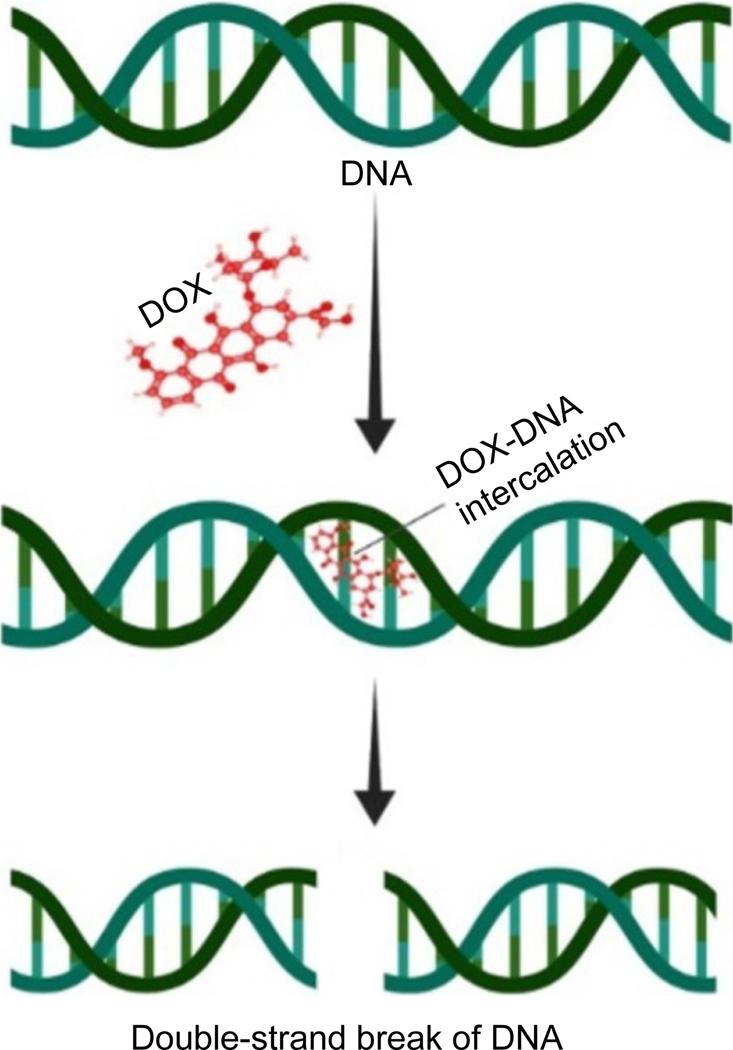
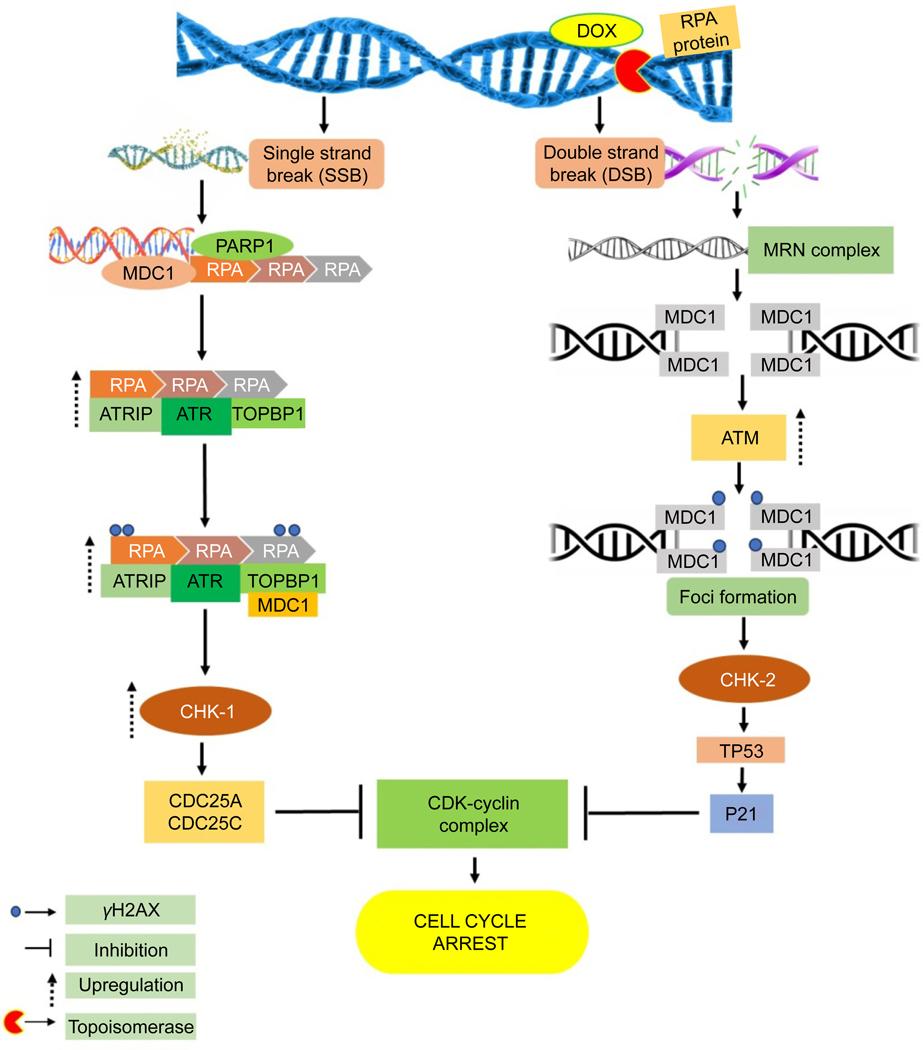
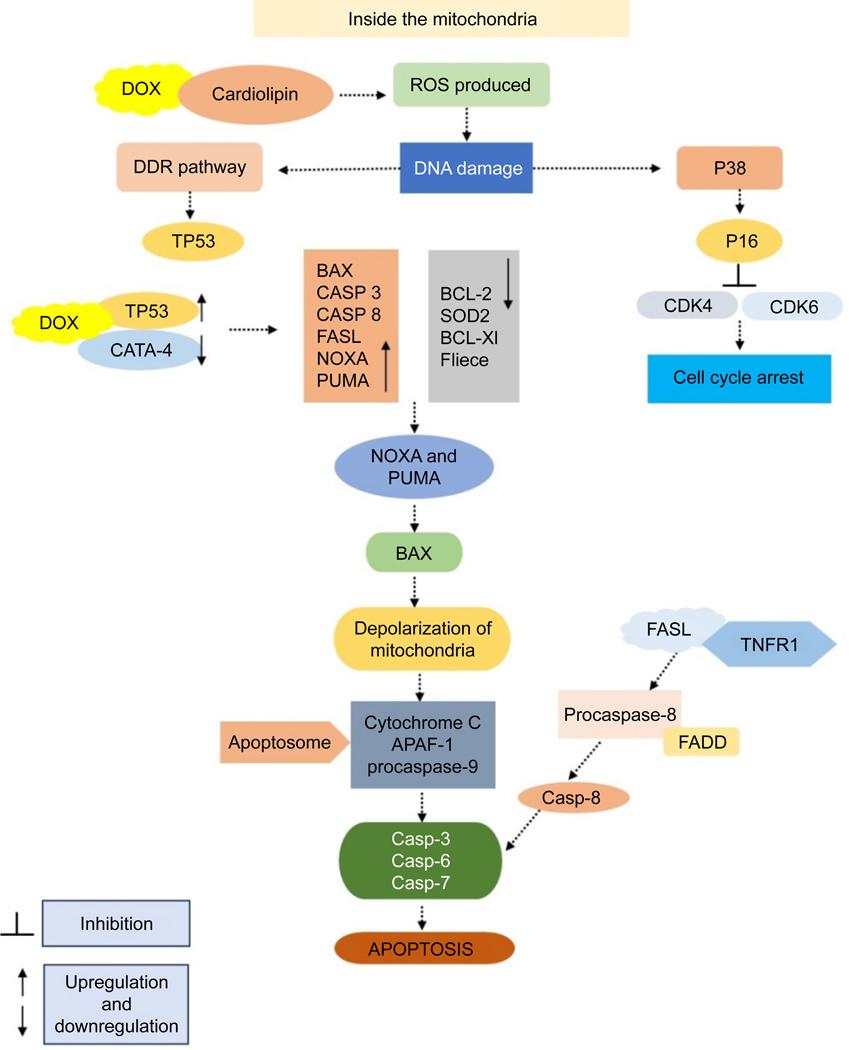
Breast cancer is a leading cause of death among women worldwide due to its aggressive nature, early metastasis, and resistance to standard chemotherapy. Doxorubicin (DOX) is a potent anticancer drug and remains one of the most effective treatments for breast cancer. This review delves into the diverse anticancer attributes of DOX, encompassing its ability to induce DNA damage, provoke the production of reactive oxygen species, facilitate various mechanisms of cell death, and promote or enhance an anti-tumor immune response. Through an analysis of both monotherapy and combination therapy approaches, this review underscores the immense significance of DOX in contemporary breast cancer treatment. It also delves into the limitations of DOX-based therapies and provides insights into future perspectives for research and development in this field.
乳腺癌因其侵袭性、早期转移和对标准化疗的耐药性,成为全球女性死亡的主要原因之一。阿霉素(DOX)是一种有效的抗癌药物,仍然是治疗乳腺癌最有效的方法之一。这篇综述深入探讨了阿霉素的多种抗癌特性,包括其诱导DNA损伤的能力、引发活性氧生成的能力、促进各种细胞死亡机制的能力以及促进或增强抗肿瘤免疫反应的能力。通过对单药治疗和联合治疗方法的分析,本综述强调了阿霉素在当代乳腺癌治疗中的巨大意义。它还探讨了基于阿霉素疗法的局限性,并为该领域的未来研发前景提供了见解。
 Zotero 插件