
来自前列腺癌破坏的破骨细胞的细胞外囊泡驱动骨转移部位的炎症性骨溶解和肿瘤进展的连锁反应。
Extracellular Vesicles From Prostate Cancer-Corrupted Osteoclasts Drive a Chain Reaction of Inflammatory Osteolysis and Tumour Progression at the Bone Metastatic Site.
作者信息
Tamura Takaaki, Yamamoto Tomofumi, Kogure Akiko, Yoshioka Yusuke, Yamamoto Yusuke, Sakamoto Shinichi, Ichikawa Tomohiko, Ochiya Takahiro
机构信息
Department of Molecular and Cellular Medicine, Institute of Medical Science, Tokyo Medical University, Tokyo, Japan.
Department of Urology, Graduate School of Medicine, Chiba University, Chiba, Japan.
出版信息
J Extracell Vesicles. 2025 Jun;14(6):e70091. doi: 10.1002/jev2.70091.
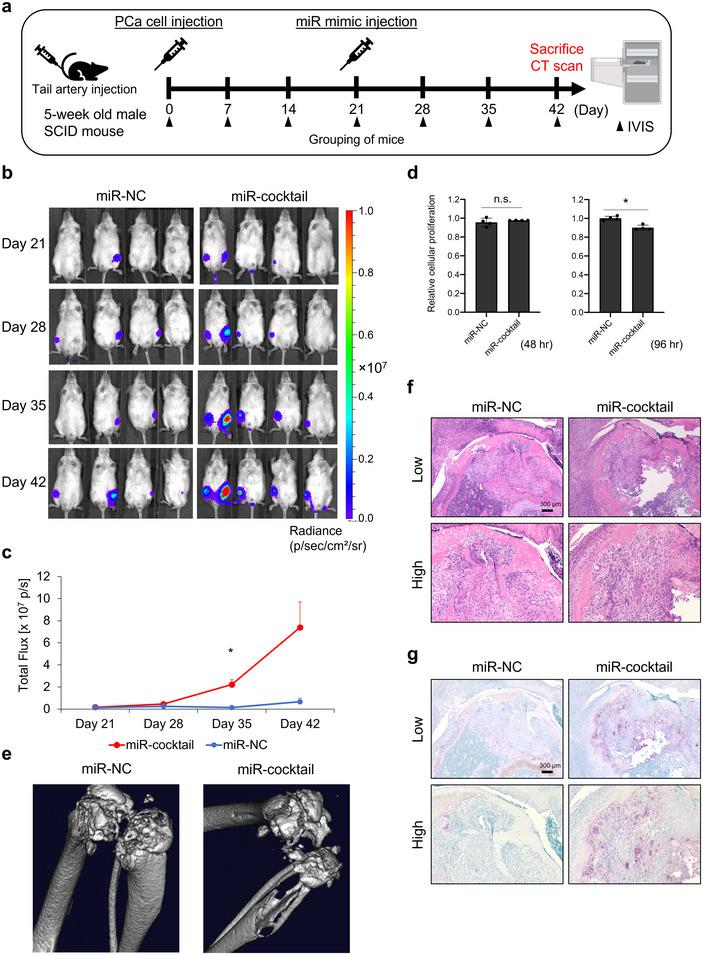
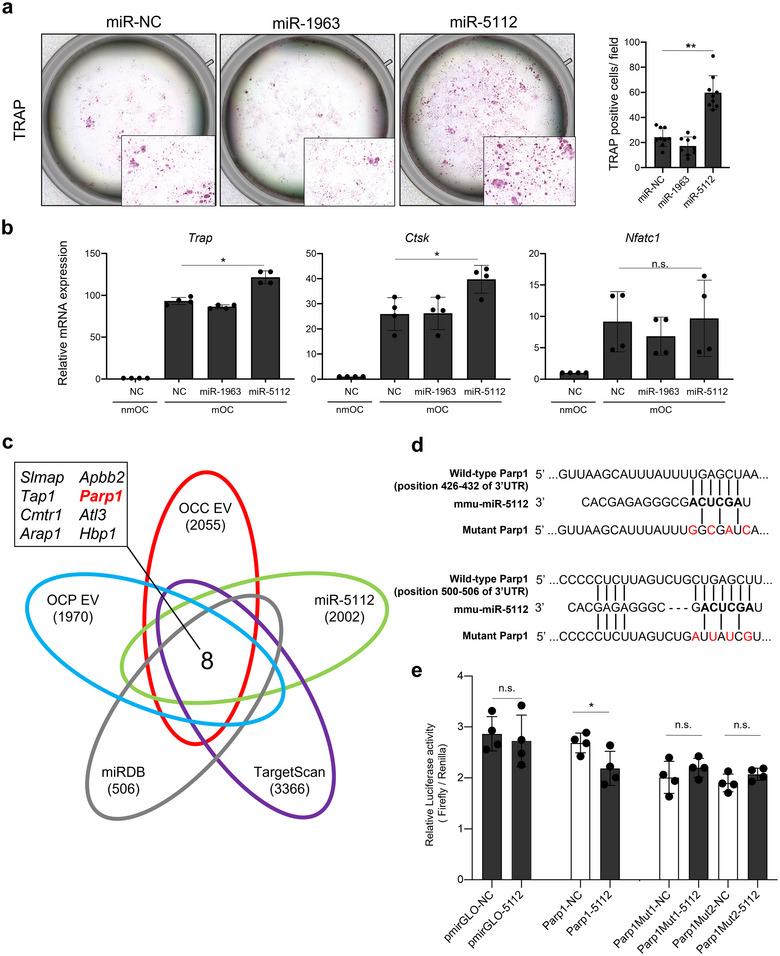
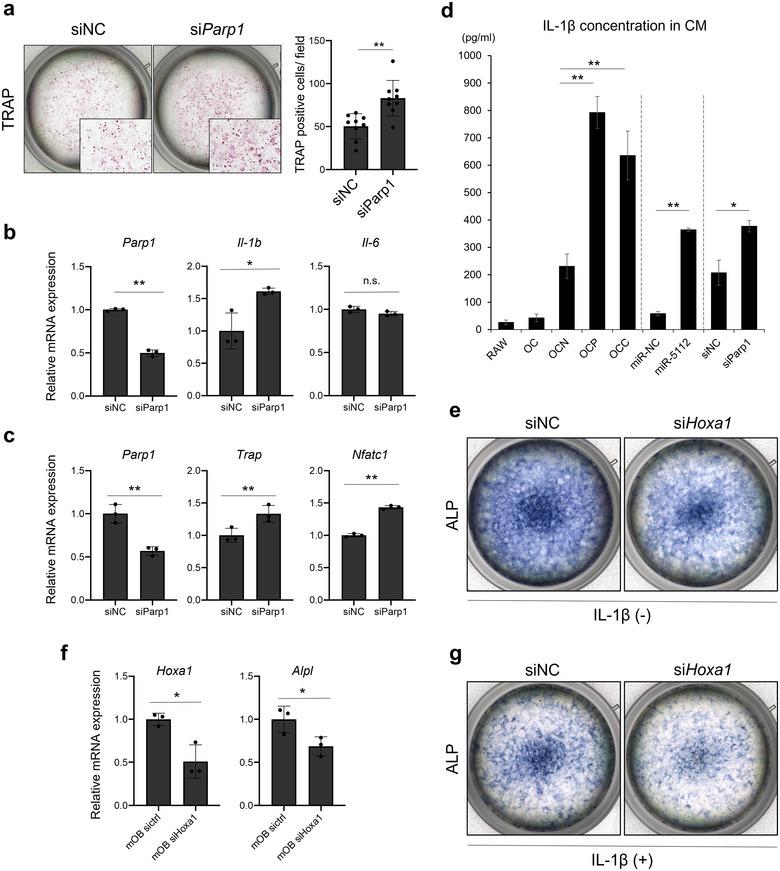
Advanced-stage prostate cancer (PCa) frequently causes bone metastases, resulting in a poor prognosis and a 5-year survival rate of 30%. PCa bone metastasis is a highly complex and fluctuating process, comprising of osteolytic (bone-degrading) and osteogenic (bone-forming) lesions. Although this system is mainly controlled by alterations in the receptor activator of NF-κB ligand (RANKL), RANKL-based treatment does not prolong the overall survival of patients with PCa bone metastasis. Therefore, it is essential to understand the other interactions between tumour cells and bone-resident cells in the metastatic niche to develop novel treatments. Extracellular vesicles (EVs) play key roles in intercellular communication and actively function in the bone microenvironment. We report that PCa cells corrupt osteoclasts (OCs) via their secretomes, inducing a pathological phenotype. EVs from pathological OCs activate bone-resorbing OCs and suppress bone-forming osteoblasts (OBs), leading to bone destruction. Pathological OCs increased IL-1β secretion and produced EVs with miR-5112 and miR-1963, targeting Parp1 in OCs and Hoxa1 in OBs. This led to OC maturation and IL-1β secretion, and inhibited OB mineralization. Injection of these miRNAs in vivo promoted PCa metastasis-disrupting bone. We report the mediation of EVs from OCs under pathological conditions that modulate the bone metastatic niche independently of RANKL.
晚期前列腺癌(PCa)常引发骨转移,导致预后不良,5年生存率为30%。PCa骨转移是一个高度复杂且动态变化的过程,包括溶骨性(骨质降解性)和成骨性(骨质生成性)病变。尽管该系统主要受核因子κB受体活化因子配体(RANKL)改变的控制,但基于RANKL的治疗并不能延长PCa骨转移患者的总生存期。因此,了解转移微环境中肿瘤细胞与骨驻留细胞之间的其他相互作用对于开发新的治疗方法至关重要。细胞外囊泡(EVs)在细胞间通讯中起关键作用,并在骨微环境中发挥积极作用。我们报告PCa细胞通过其分泌组破坏破骨细胞(OCs),诱导病理表型。来自病理OCs的EVs激活骨吸收性OCs并抑制骨形成性成骨细胞(OBs),导致骨质破坏。病理OCs增加白细胞介素-1β(IL-1β)分泌,并产生携带miR-5112和miR-1963的EVs,分别靶向OCs中的聚(ADP-核糖)聚合酶1(Parp1)和成骨细胞中的同源框A1(Hoxa1)。这导致OC成熟和IL-1β分泌,并抑制OB矿化。在体内注射这些微小RNA(miRNAs)会促进PCa转移并破坏骨骼。我们报告了病理条件下OCs来源的EVs的介导作用,其独立于RANKL调节骨转移微环境。



 Zotero 插件