
治疗诊断放射性示踪剂设计中的新策略。
New tactics in the design of theranostic radiotracers.
作者信息
Berton Cesare, Klingler Simon, Prytuliak Stanislav, Holland Jason P
机构信息
Department of Chemistry, University of Zurich, Winterthurerstrasse 190, CH-8057, Zurich, Switzerland.
出版信息
Npj Imaging. 2024 Aug 2;2(1):23. doi: 10.1038/s44303-024-00027-1.
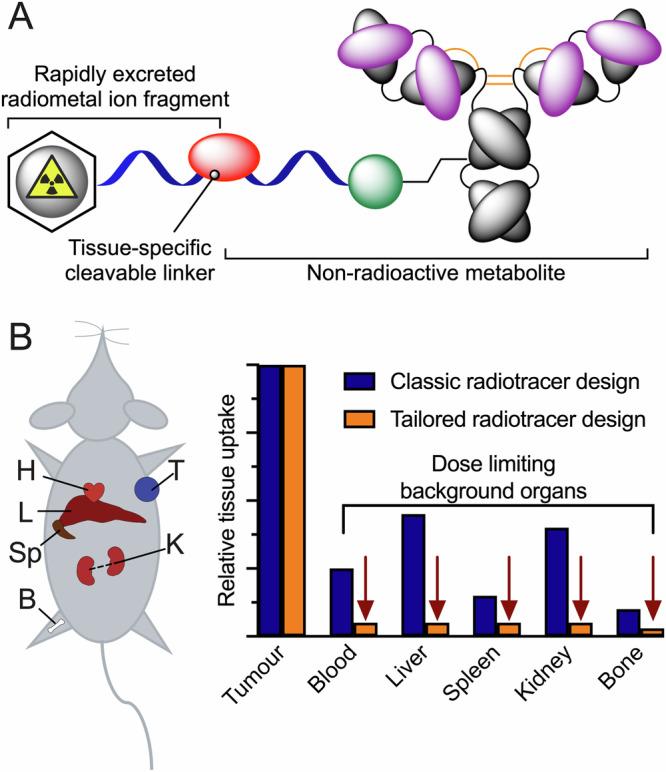
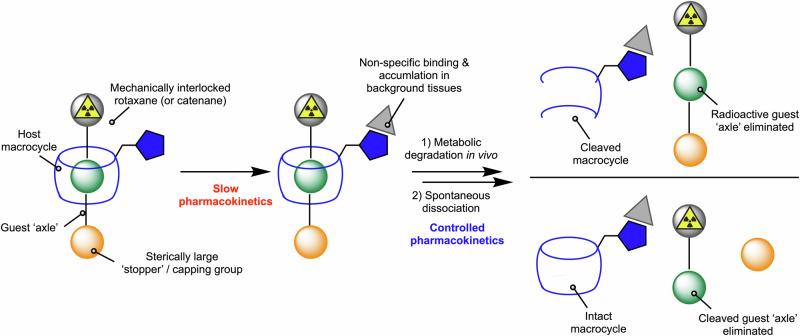
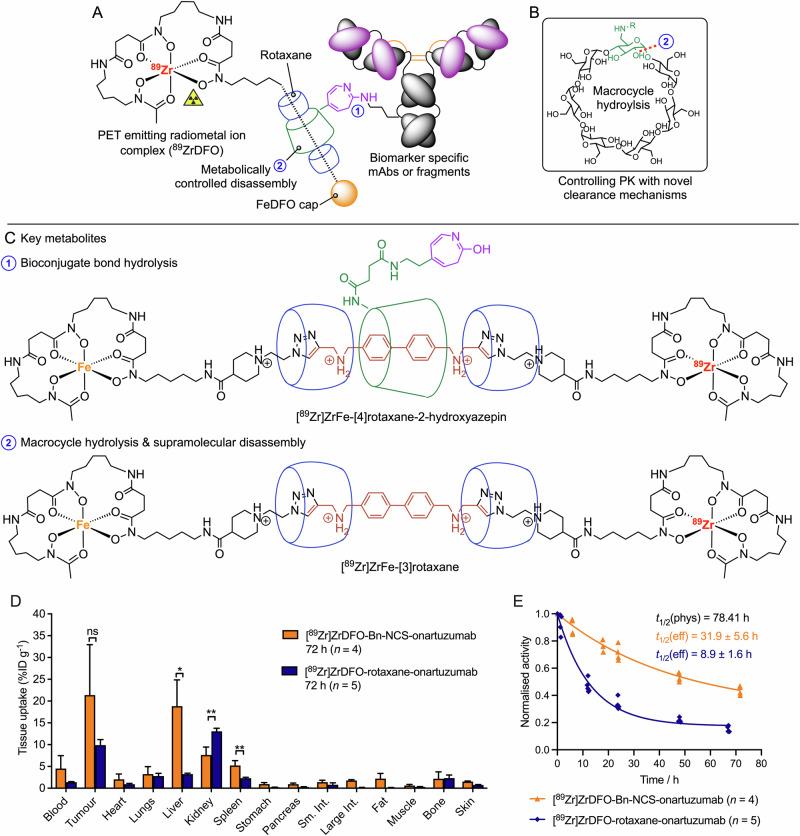
In the context of molecularly targeted radiotherapy, dosimetry concerns in off-target tissues are a major limitation to the more wide-spread application of radiopharmaceuticals to treat diseases like cancer. Reducing off-target accumulation of radionuclides in background tissues, whilst maintaining high and specific uptake in disease sites and improving the therapeutic window, requires rethinking common radiotracer design concepts. This article explores ways in which innovative radiotracer chemistry (the making and breaking of bonds) is used to modify interactions with the host organism to control excretion profiles and dosimetry at the tissue-specific level.
在分子靶向放射治疗的背景下,靶外组织的剂量学问题是放射性药物更广泛应用于治疗癌症等疾病的主要限制因素。减少背景组织中放射性核素的靶外蓄积,同时保持疾病部位的高特异性摄取并改善治疗窗口,需要重新思考常见的放射性示踪剂设计理念。本文探讨了如何利用创新的放射性示踪剂化学(化学键的形成与断裂)来改变与宿主生物体的相互作用,以在组织特异性水平上控制排泄情况和剂量学。



 Zotero 插件