
激素调节、线粒体与阿尔茨海默病的预防:胰高血糖素样肽-1激动剂和雌激素的作用
Hormonal modulation, mitochondria and Alzheimer's prevention: the role of GLP-1 agonists and estrogens.
作者信息
Lizcano Fernando, Sanabria Daniela, Aviles Eliana
机构信息
Center of Biomedical Investigation (CIBUS), Universidad de La Sabana, Chía, Colombia.
School of Medicine, Universidad de La Sabana, Chía, Colombia.
出版信息
Front Mol Biosci. 2025 Jun 26;12:1622186. doi: 10.3389/fmolb.2025.1622186. eCollection 2025.
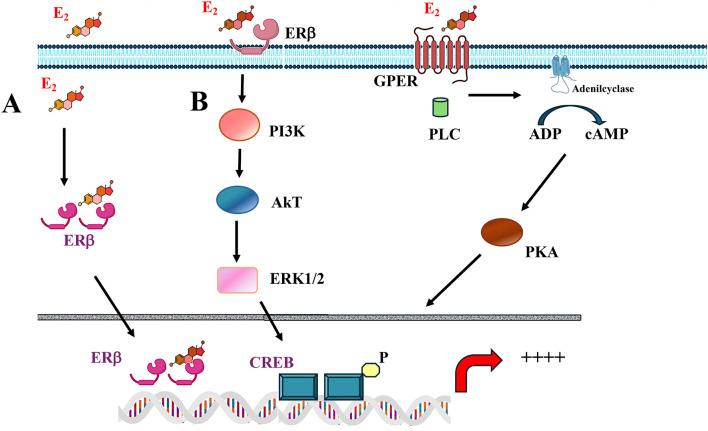
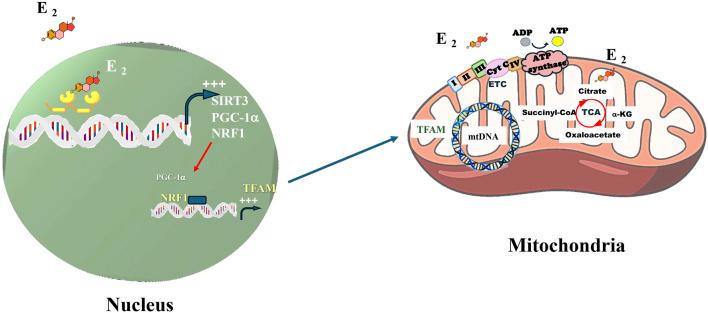
Alzheimer's disease (AD) is the most prevalent cause of dementia worldwide, disproportionately affecting women and lacking effective disease-modifying therapies. While traditional approaches have focused on amyloid β (Aβ) plaques and tau pathology, emerging evidence highlights the role of metabolic dysfunction, mitochondrial impairment, and hormonal signaling in the pathogenesis of AD. Estrogens exert neuroprotective effects by modulating synaptic plasticity, enhancing mitochondrial bioenergetics, and reducing oxidative stress and inflammation. Similarly, glucagon-like peptide-1 receptor agonists (GLP-1RAs), initially developed for the treatment of type 2 diabetes, have demonstrated promising cognitive benefits, potentially mediated through improved insulin signaling, neuronal survival, and reduced β-amyloid (Aβ) and tau burden. This review explores the converging mechanisms through which estrogens and GLP-1RAs may act synergistically to prevent or delay the onset of AD. We examine the influence of sex differences in mitochondrial dynamics, estrogen receptor distribution, and GLP-1 signaling pathways, particularly within central nervous system regions implicated in AD. Preclinical studies using GLP-1-estrogen conjugates have shown enhanced metabolic and neuroprotective outcomes, accompanied by reduced systemic hormonal exposure, suggesting a viable therapeutic strategy. As the global prevalence of AD continues to rise, especially among postmenopausal women, dual agonism targeting estrogen and GLP-1 receptors may represent a novel, physiologically informed approach to prevention and intervention. Ongoing clinical trials and future research must consider sex-specific factors, receptor polymorphisms, and brain-region selectivity to optimize the translational potential of this combined strategy.
阿尔茨海默病(AD)是全球痴呆最常见的病因,对女性影响尤为严重,且缺乏有效的疾病修饰疗法。虽然传统方法主要关注淀粉样β(Aβ)斑块和tau病理,但新出现的证据凸显了代谢功能障碍、线粒体损伤和激素信号在AD发病机制中的作用。雌激素通过调节突触可塑性、增强线粒体生物能量学以及减轻氧化应激和炎症发挥神经保护作用。同样,最初用于治疗2型糖尿病的胰高血糖素样肽-1受体激动剂(GLP-1RAs)已显示出有前景的认知益处,可能是通过改善胰岛素信号传导、神经元存活以及减轻β-淀粉样蛋白(Aβ)和tau负担来介导的。本综述探讨了雌激素和GLP-1RAs可能协同作用以预防或延缓AD发病的共同机制。我们研究了线粒体动力学、雌激素受体分布和GLP-1信号通路中性别差异的影响,特别是在与AD相关的中枢神经系统区域内。使用GLP-1-雌激素偶联物的临床前研究显示代谢和神经保护结果得到增强,同时全身激素暴露减少,提示这是一种可行的治疗策略。随着全球AD患病率持续上升,尤其是在绝经后女性中,靶向雌激素和GLP-1受体的双重激动作用可能代表一种新的、基于生理学的预防和干预方法。正在进行的临床试验和未来研究必须考虑性别特异性因素、受体多态性和脑区选择性,以优化这种联合策略的转化潜力。

 Zotero 插件