
膳食纤维补充剂对老年人慢性便秘的影响:一项随机对照试验的系统评价和荟萃分析
Effects of Dietary Fiber Supplementation on Chronic Constipation in the Elderly: A Systematic Review and Meta-Analysis of Randomized Controlled Trials.
作者信息
Xi Na, Yang Xiao, Liu Jie, Yue Hao, Wang Ziyuan
机构信息
Key Laboratory of Geriatric Nutrition and Health (Beijing Technology and Business University), Ministry of Education, Beijing 100048, China.
National Center of Technology Innovation for Grain Industry (Comprehensive Utilization of Edible By-Products), Beijing Technology and Business University, Beijing 100048, China.
出版信息
Foods. 2025 Jun 30;14(13):2315. doi: 10.3390/foods14132315.
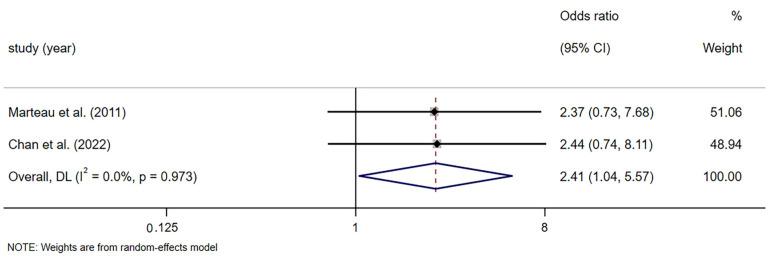
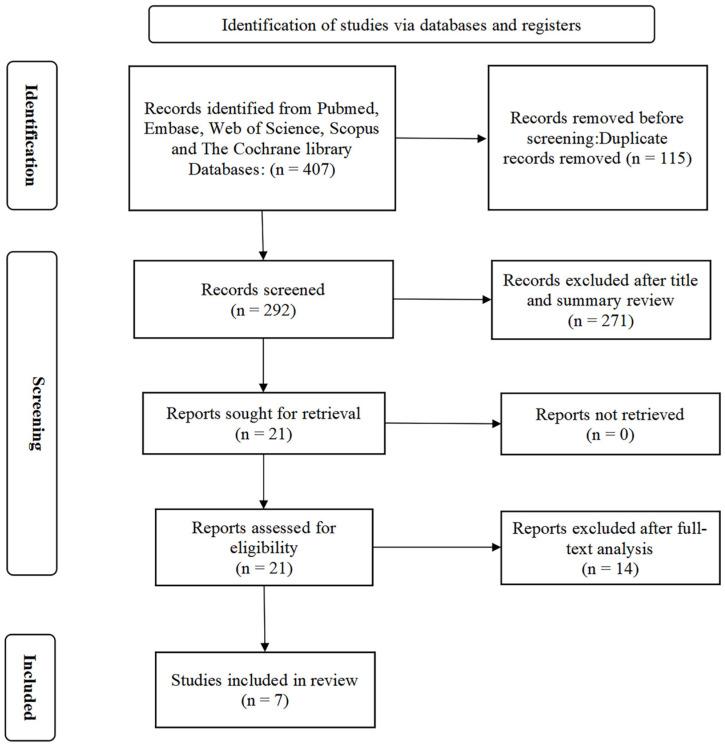
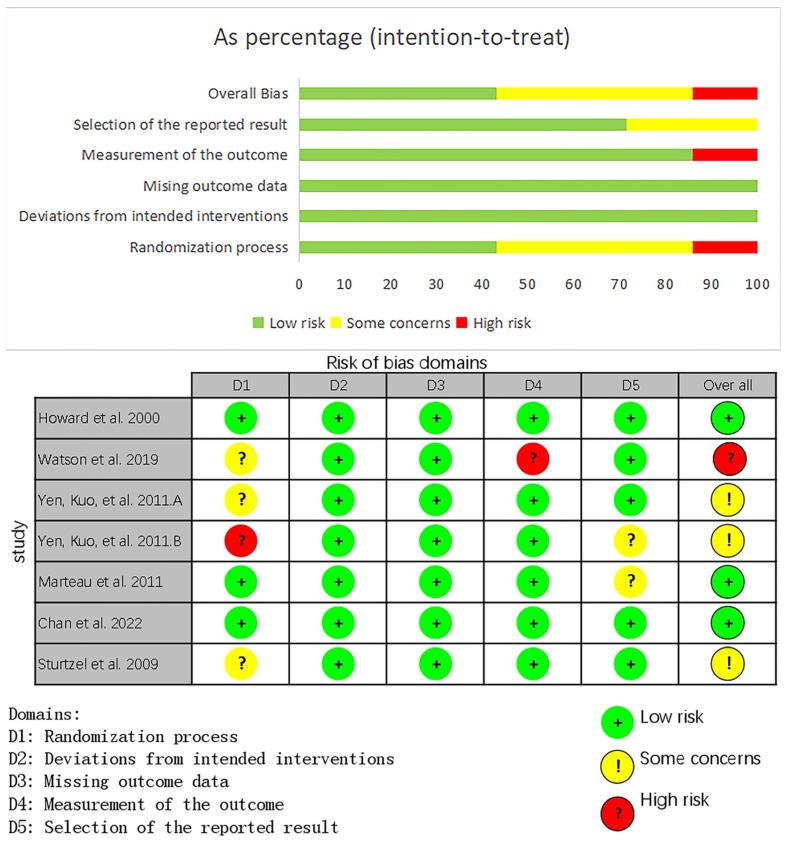
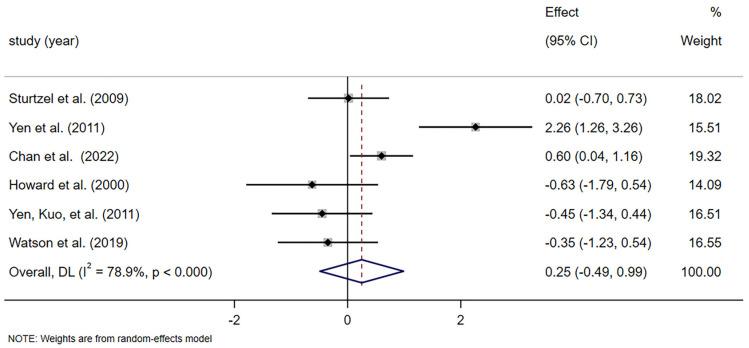
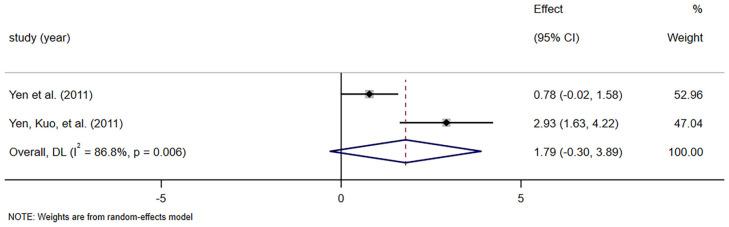
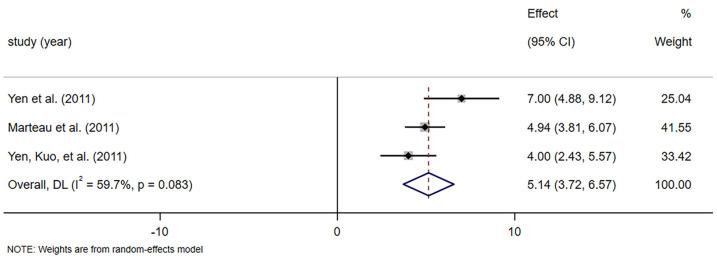
Chronic constipation is common among older adults, significantly reducing quality of life and increasing healthcare burden. While dietary fiber is a traditional intervention for constipation, its efficacy in elderly populations remains inconclusive. The purpose of this study was to investigate the effects of dietary fiber on stool frequency, frequency of laxative or enema use, intestinal bifidobacteria concentration, stool dry weight, and adverse events in elderly patients with chronic constipation through a systematic review and meta-analysis of randomized controlled trials (RCTs). A comprehensive search of Embase, Web of Science, PubMed, Scopus, and The Cochrane Library databases was performed to identify eligible studies. Seven RCTs involving 187 participants were included. The meta-analysis found no significant improvement in stool frequency with dietary fiber supplementation (SMD = 0.25, 95% CI [-0.488, 0.988], = 0.507). However, dietary fiber significantly reduced the frequency of laxative or enema use (SMD = -1.224, 95% CI [-1.786, -0.662], = 0.000) and increased fecal bifidobacteria concentrations (SMD = 5.142, 95% CI [3.716, 6.568], = 0.000). These findings suggest that dietary fiber supplementation may reduce reliance on laxatives and enhance intestinal microbiota in elderly individuals with chronic constipation. Further robust and clear randomized controlled trials are needed to more accurately determine the most effective dosage and duration of use.
慢性便秘在老年人中很常见,会显著降低生活质量并增加医疗负担。虽然膳食纤维是治疗便秘的传统干预措施,但其在老年人群中的疗效仍无定论。本研究的目的是通过对随机对照试验(RCT)进行系统评价和荟萃分析,探讨膳食纤维对老年慢性便秘患者的排便频率、泻药或灌肠剂使用频率、肠道双歧杆菌浓度、粪便干重及不良事件的影响。对Embase、Web of Science、PubMed、Scopus和Cochrane图书馆数据库进行了全面检索,以确定符合条件的研究。纳入了7项涉及187名参与者的随机对照试验。荟萃分析发现,补充膳食纤维后排便频率无显著改善(标准化均数差[SMD]=0.25,95%可信区间[-0.488, 0.988],P=0.507)。然而,膳食纤维显著降低了泻药或灌肠剂的使用频率(SMD=-1.224,95%可信区间[-1.786, -0.662],P=0.000),并增加了粪便双歧杆菌浓度(SMD=5.142,95%可信区间[3.716, 6.568],P=0.000)。这些发现表明,补充膳食纤维可能会减少老年慢性便秘患者对泻药的依赖,并改善肠道微生物群。需要进一步进行更有力、更明确的随机对照试验,以更准确地确定最有效的剂量和使用持续时间。

 Zotero 插件