
哮喘中的非编码RNA:嗜酸性粒细胞生物学和气道炎症的调节因子
Non-Coding RNAs in Asthma: Regulators of Eosinophil Biology and Airway Inflammation.
作者信息
Vasylė Eglė, Januškevičius Andrius, Malakauskas Kęstutis
机构信息
Laboratory of Pulmonology, Department of Pulmonology, Lithuanian University of Health Sciences, 44307 Kaunas, Lithuania.
Department of Pulmonology, Lithuanian University of Health Sciences, 44307 Kaunas, Lithuania.
出版信息
Diagnostics (Basel). 2025 Jul 10;15(14):1750. doi: 10.3390/diagnostics15141750.
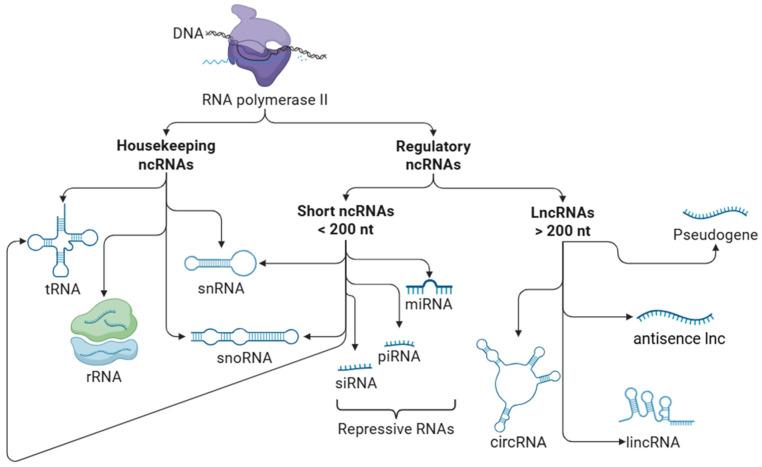
Asthma is a complex and heterogeneous disease characterized by chronic airway inflammation, bronchial hyperresponsiveness, and reversible airflow obstruction. Despite extensive research, its underlying molecular mechanisms remain incompletely understood. Among the key immune cells involved, eosinophils play a central role in asthma pathophysiology through their contributions to Type 2 inflammation, tissue remodeling, and immune regulation. Recent studies have shown that non-coding RNAs (ncRNAs) play a crucial role in regulating eosinophil biology and contribute to the molecular mechanisms underlying asthma progression. This review consolidates the current understanding of ncRNAs in the development of eosinophils, their involvement in asthma pathogenesis, and the mechanisms underlying this process.
哮喘是一种复杂的异质性疾病,其特征为慢性气道炎症、支气管高反应性和可逆性气流受限。尽管进行了广泛研究,但其潜在的分子机制仍未完全明确。在涉及的关键免疫细胞中,嗜酸性粒细胞通过对2型炎症、组织重塑和免疫调节的作用,在哮喘病理生理学中发挥核心作用。最近的研究表明,非编码RNA(ncRNA)在调节嗜酸性粒细胞生物学中起关键作用,并促成哮喘进展的分子机制。本综述总结了目前对ncRNA在嗜酸性粒细胞发育中的作用、其参与哮喘发病机制以及该过程潜在机制的认识。
 Zotero 插件