
整合网络药理学和多组学揭示氢溴酸山莨菪碱在脓毒症中的多靶点作用机制。
Integrative network pharmacology and multi-omics reveal anisodamine hydrobromide's multi-target mechanisms in sepsis.
作者信息
Chen Ying, Weng Danlei, Shi Wei, Wei Shuxing, Ji Wenqing, Wang Xiya, Xu Yali, Wang Xiaoman, Mei Xue, Guo Shubin
机构信息
Emergency Medicine Clinical Research Center, Beijing Key Laboratory of Cardiopulmonar Cerebral Resuscitation, Beijing Chaoyang Hospital, Affiliated to Capital Medical University, Beijing, 100020, China.
National Institute for Data Science in Health and Medicine, Capital Medical University, Beijing, 100069, China.
出版信息
Sci Rep. 2025 Jul 31;15(1):27996. doi: 10.1038/s41598-025-13187-w.
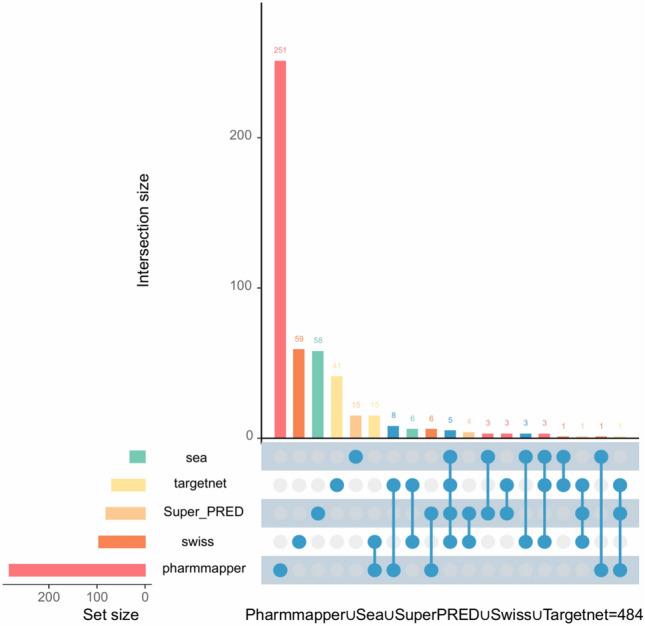
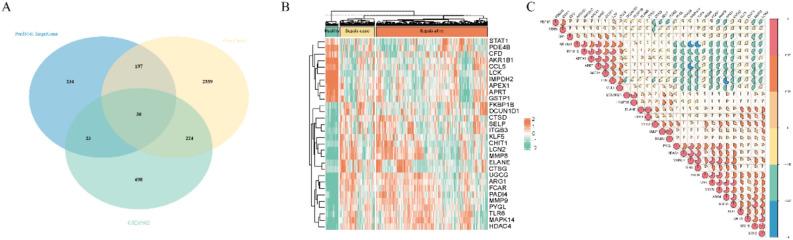
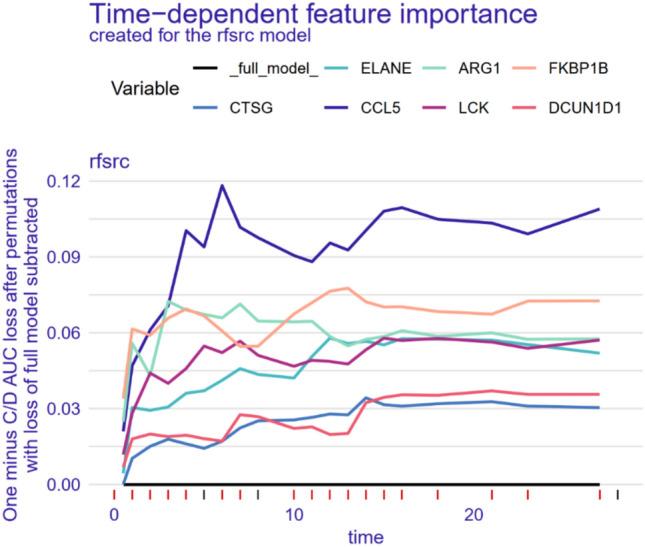
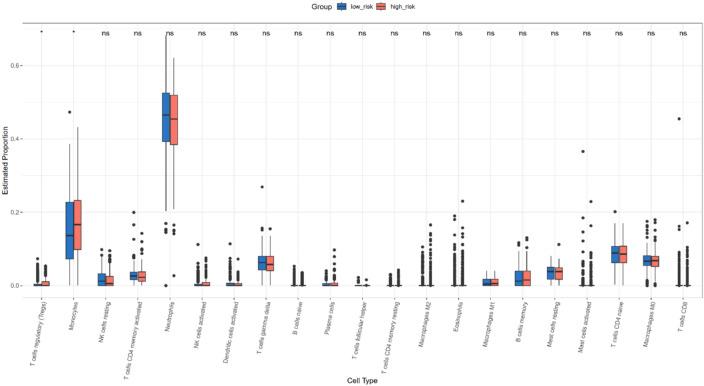
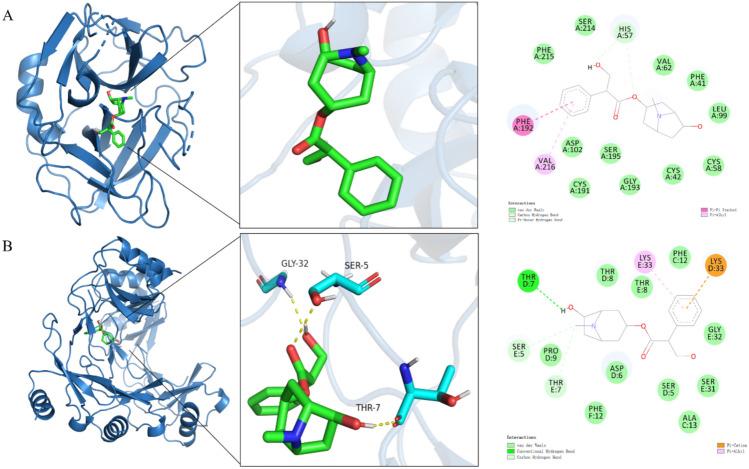
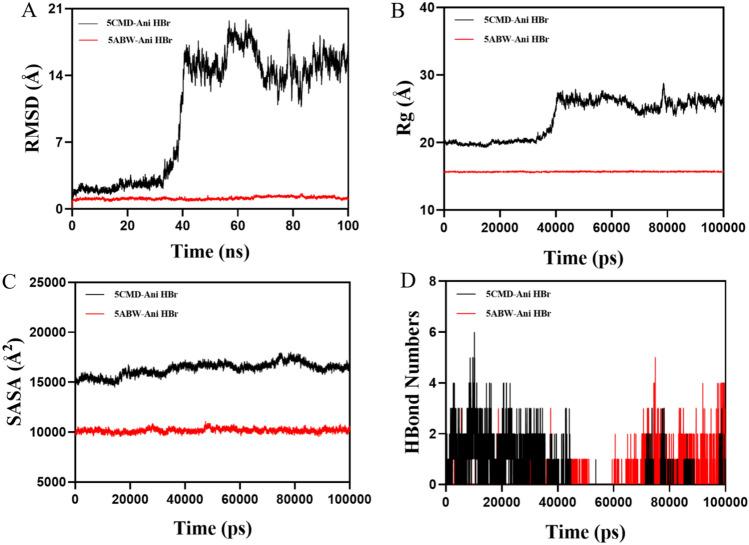
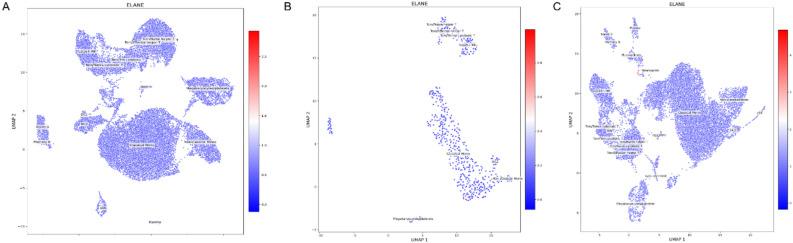
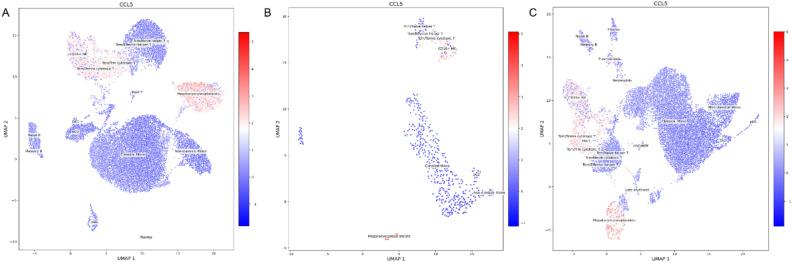
Sepsis, marked by hyperinflammation and subsequent immunosuppression, lacks effective phase-specific therapies. Although anisodamine hydrobromide (Ani HBr) reduced 28-day mortality in our prior trial, its mechanisms remained unclear. Here, we integrated network pharmacology, machine learning, immunological profiling, molecular simulations, and single-cell transcriptomics to elucidate Ani HBr's multi-target actions. Among 30 cross-species targets, ELANE and CCL5 emerged as core regulators via protein interaction networks, survival modeling (AUC: 0.72-0.95), and statistical significance (p < 0.05). Ani HBr inhibited ELANE-driven NET formation (HR = 1.176), associated with immunosuppression and endothelial damage, while enhancing CCL5-related cytotoxic T-cell recruitment (HR = 0.810). Docking and dynamics simulations showed Ani HBr binds ELANE's catalytic cleft, suggesting direct inhibition of its enzymatic activity, and interacts stably with CCL5 at potential receptor-binding interfaces, indicating a modulatory role. Single-cell analysis revealed ELANE upregulation in CCI-phase neutrophils and widespread yet stage-specific CCL5 expression. These findings support Ani HBr as a phase-tailored agent that targets ELANE in early hyperinflammation while preserving CCL5-mediated immunity. The ELANE/CCL5 prognostic model offers a framework for precision immunotherapy in sepsis.
脓毒症以过度炎症反应及随后的免疫抑制为特征,缺乏有效的阶段特异性治疗方法。尽管在我们之前的试验中氢溴酸山莨菪碱(Ani HBr)降低了28天死亡率,但其机制仍不清楚。在此,我们整合了网络药理学、机器学习、免疫图谱分析、分子模拟和单细胞转录组学,以阐明Ani HBr的多靶点作用。在30个跨物种靶点中,通过蛋白质相互作用网络、生存建模(AUC:0.72 - 0.95)和统计学显著性(p < 0.05),弹性蛋白酶(ELANE)和趋化因子配体5(CCL5)成为核心调节因子。Ani HBr抑制ELANE驱动的中性粒细胞胞外陷阱形成(HR = 1.176),这与免疫抑制和内皮损伤相关,同时增强CCL5相关的细胞毒性T细胞募集(HR = 0.810)。对接和动力学模拟显示,Ani HBr结合ELANE的催化裂隙,表明直接抑制其酶活性,并在潜在的受体结合界面与CCL5稳定相互作用,表明具有调节作用。单细胞分析显示ELANE在CCI期中性粒细胞中上调,CCL5表达广泛但具有阶段特异性。这些发现支持Ani HBr作为一种阶段定制药物,在早期过度炎症反应阶段靶向ELANE,同时保留CCL5介导的免疫功能。ELANE/CCL5预后模型为脓毒症的精准免疫治疗提供了一个框架。












 Zotero 插件