
经阴道分娩婴儿早期肠道微生物群的建立:母体肠道微生物群的影响超过阴道微生物群。
Establishment of the early gut microbiota in vaginally delivered infants: the influence of maternal gut microbiota outweighs vaginal microbiota.
作者信息
Xie Haishan, Meng Lulu, Duan Xia, Liang Xinyuan, Huang Ting, Ma Guangyu, Luo Huijuan, Tang Xiaomei, Xiao Xiaomin
机构信息
Department of Obstetrics and Gynecology, First Affiliated Hospital of Jinan University, Guangzhou, China.
Department of Obstetrics and Gynecology, Guangzhou Women and Children's Medical Center, Guangzhou, China.
出版信息
Microbiol Spectr. 2025 Sep 2;13(9):e0177525. doi: 10.1128/spectrum.01775-25. Epub 2025 Aug 12.
UNLABELLED
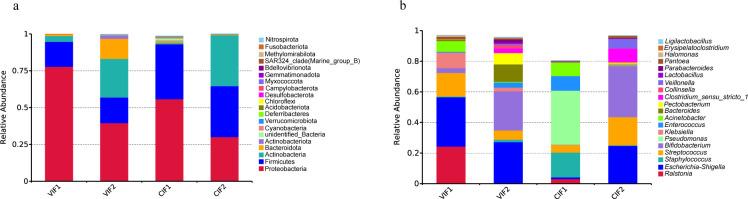
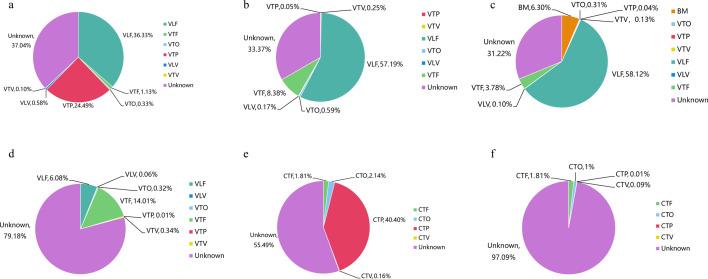
Gut microbiota is one of the largest microbial communities within the human body, yet its origins and early developmental processes remain not fully understood. This study collected samples from 26 mother-infant pairs from the third trimester to 14 days postpartum, using 16S rDNA sequencing and Source Tracker analysis to investigate the dynamic changes and sources of early infant gut microbiota. Results showed that maternal gut microbiota at 32 weeks of gestation was the primary source of meconium microbiota in vaginally delivered infants and continued to influence day-14 gut microbiota, while maternal vaginal microbiota contributed minimally (<1%). Regardless of bacterial presence in breast milk, maternal gut microbiota remained a critical source for day-14 gut microbiota of vaginally delivered infants. Placental microbiota was also an important source of meconium microbiota across different delivery modes. In cesarean-delivered infants, the origins of gut microbiota were more complex, with a higher proportion of "transient bacteria" in meconium, potentially impacting the stable colonization of gut microbiota. However, by day 14, the gut microbiota of cesarean and vaginally delivered infants became similar post-breastfeeding. Correlation network analysis revealed intricate maternal-infant microbial interactions, indicating that maternal microbes may influence the colonization of infant gut microbiota. Shared taxa analysis showed that functional flora might exist in the placenta. Meanwhile, beneficial anaerobes like significantly increased in infant day-14 gut microbiota, suggesting their potential role in gut health. Overall, this study provides novel insights into the colonization and developmental patterns of early infant gut microbiota.
IMPORTANCE
Gut microbiota exerts a significant impact on an individual's long-term health; however, its origins and colonization processes remain to be fully elucidated. This study revealed that early infant gut microbiota of vaginally delivered infants primarily derived from maternal gut microbiota, which began colonizing the fetus as early as 32 weeks of gestation. In contrast, the contribution of maternal vaginal microbiota to early infant gut microbiota was quite limited. Moreover, placental microbiota also constituted an important source for the fetal gut microbiota. These findings provide novel insights into the developmental mechanisms of infant gut microbiota and highlight the important role of maternal microbes in the early colonization of infant gut microbiota.
未标注
肠道微生物群是人体内最大的微生物群落之一,但其起源和早期发育过程仍未完全了解。本研究收集了26对母婴从孕晚期到产后14天的样本,采用16S rDNA测序和Source Tracker分析来研究早期婴儿肠道微生物群的动态变化和来源。结果表明,妊娠32周时母体肠道微生物群是阴道分娩婴儿胎粪微生物群的主要来源,并持续影响产后14天的肠道微生物群,而母体阴道微生物群的贡献极小(<1%)。无论母乳中是否存在细菌,母体肠道微生物群仍然是阴道分娩婴儿产后14天肠道微生物群的关键来源。胎盘微生物群也是不同分娩方式下胎粪微生物群的重要来源。在剖宫产婴儿中,肠道微生物群的起源更为复杂,胎粪中“瞬态细菌”的比例较高,这可能会影响肠道微生物群的稳定定植。然而,到产后14天,剖宫产和阴道分娩婴儿的肠道微生物群在母乳喂养后变得相似。相关性网络分析揭示了复杂的母婴微生物相互作用,表明母体微生物可能会影响婴儿肠道微生物群的定植。共享分类群分析表明胎盘可能存在功能菌群。同时,有益厌氧菌如 在婴儿产后14天肠道微生物群中显著增加,表明它们在肠道健康中的潜在作用。总体而言,本研究为早期婴儿肠道微生物群的定植和发育模式提供了新的见解。
重要性
肠道微生物群对个体的长期健康有重大影响;然而,其起源和定植过程仍有待充分阐明。本研究表明,阴道分娩婴儿的早期肠道微生物群主要来源于母体肠道微生物群,早在妊娠32周时就开始定殖于胎儿体内。相比之下,母体阴道微生物群对早期婴儿肠道微生物群的贡献相当有限。此外,胎盘微生物群也是胎儿肠道微生物群的重要来源。这些发现为婴儿肠道微生物群发育机制提供了新的见解,并突出了母体微生物在婴儿肠道微生物群早期定植中的重要作用。




 Zotero 插件