
新型冠状病毒肺炎防控措施对墨西哥胃肠道原生动物感染发病率的影响及其与环境和社会经济风险因素的关联
Impact of COVID-19 restrictions on incidence of gastrointestinal protozoal infections in Mexico and their association with environmental and socioeconomic risk factors.
作者信息
Palomo-Ligas Lissethe, Gutiérrez-Gutiérrez Filiberto
机构信息
Facultad de Ciencias Químicas, Universidad Autonoma de Coahuila, Unidad Saltillo, Saltillo, Coahuila 25280, México.
Departamento de Farmacobiología, Centro Universitario de Ciencias Exactas e Ingenierías, Universidad de Guadalajara, Guadalajara, Jalisco, 44430, México.
出版信息
Parasite. 2025;32:52. doi: 10.1051/parasite/2025049. Epub 2025 Aug 19.
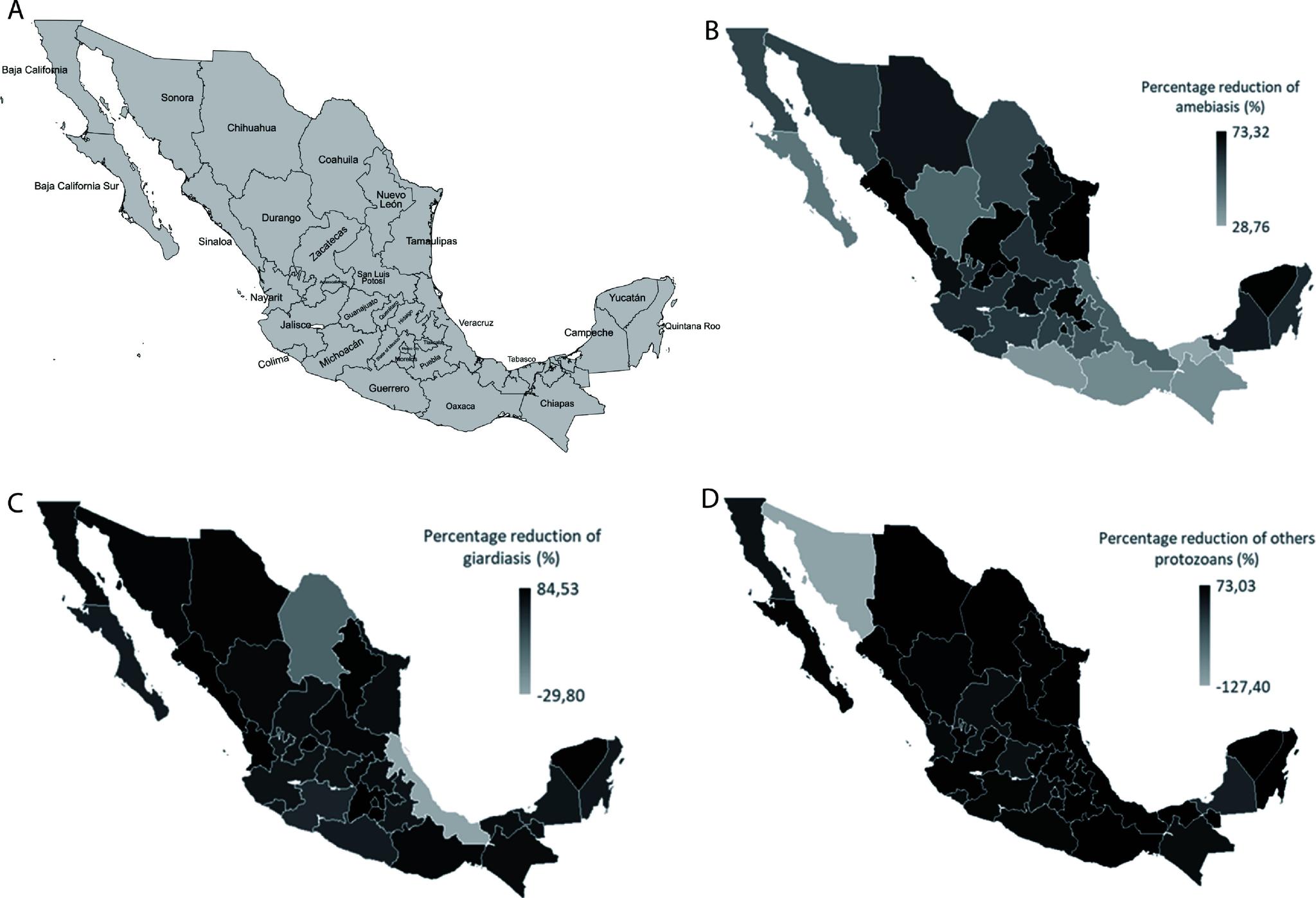
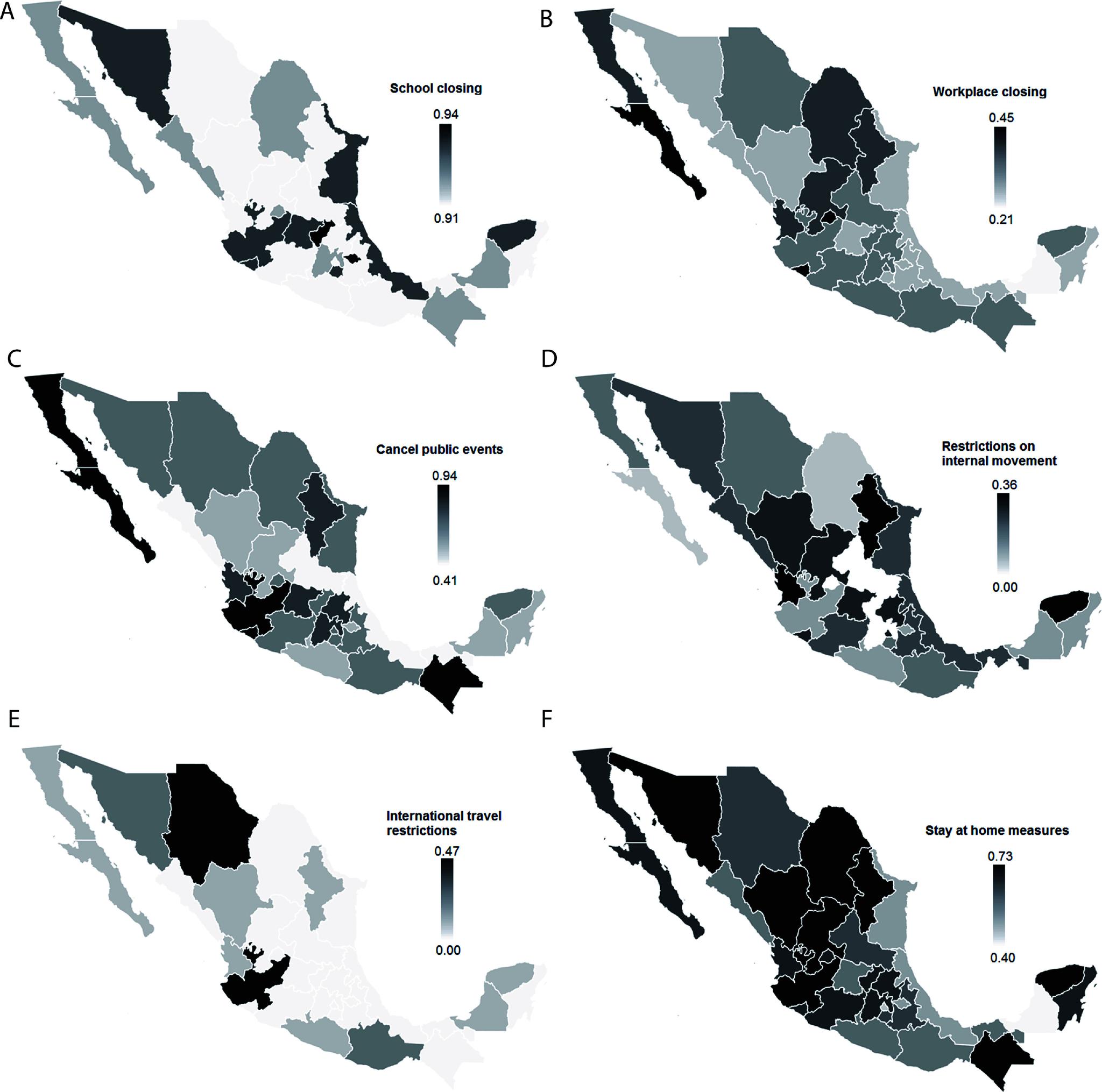
Gastrointestinal infections caused by protozoan parasites remain a significant public health concern worldwide, particularly during the health crisis caused by the COVID-19 pandemic, which led to severe economic and social crisis that highlighted the inadequacy of healthcare services in many countries. In this study, we analyzed changes in the incidence of cases of amebiasis, giardiasis, and other gastrointestinal protozoal infections before (2017-2019) and during (2020-2022) the pandemic. Our findings indicate a decrease in the incidence of these infections, with no significant variations in incidence by gender or age, and a higher incidence during months with elevated temperature and humidity. Sociodemographic factors, including residence in homes with earthen floors, poverty, limited access to healthcare services, inadequate nutrition, unemployment, and overcrowded living conditions, were associated with an increased risk of infection. Additionally, our results highlight the impact of public health policies on disease control, demonstrating that COVID-19 containment measures - such as international travel restrictions, workplace closures, event cancellations, stay-at-home mandates, and enhanced hand hygiene - also contributed to reducing parasitic infections. The persistent prevalence of protozoal infections in both periods underscores the urgent need to improve sanitation, personal hygiene, and public health education, particularly in developing countries, to mitigate their high burden.
原生动物寄生虫引起的胃肠道感染仍然是全球重大的公共卫生问题,尤其是在由COVID-19大流行引发的健康危机期间,该危机导致了严重的经济和社会危机,凸显了许多国家医疗服务的不足。在本研究中,我们分析了大流行之前(2017 - 2019年)和期间(2020 - 2022年)阿米巴病、贾第虫病和其他胃肠道原生动物感染病例发病率的变化。我们的研究结果表明这些感染的发病率有所下降,发病率在性别或年龄方面无显著差异,且在温度和湿度升高的月份发病率较高。社会人口学因素,包括居住在泥土地面房屋、贫困、获得医疗服务有限、营养不足、失业和居住环境拥挤,与感染风险增加有关。此外,我们的结果突出了公共卫生政策对疾病控制的影响,表明COVID-19防控措施——如国际旅行限制、工作场所关闭、活动取消、居家令和加强手部卫生——也有助于减少寄生虫感染。两个时期原生动物感染的持续流行凸显了迫切需要改善环境卫生、个人卫生和公共卫生教育,特别是在发展中国家,以减轻其高负担。



 Zotero 插件