
转录组学荟萃分析揭示了既定神经毒物和新兴污染物聚苯乙烯纳米塑料的共同神经发育毒性途径及性别特异性转录特征。
Transcriptomic Meta-Analysis Unveils Shared Neurodevelopmental Toxicity Pathways and Sex-Specific Transcriptional Signatures of Established Neurotoxicants and Polystyrene Nanoplastics as an Emerging Contaminant.
作者信息
Wang Wenhao, Liu Yutong, Ma Nanxin, Wang Rui, Fan Lifan, Chen Chen, Yan Qiqi, Ren Zhihua, Ning Xia, Wei Shuting, Ku Tingting
机构信息
Shanxi Key Laboratory of Coal-Based Emerging Pollutant Identification and Risk Control, Research Center of Environment and Health, College of Environment and Resource, Shanxi University, Taiyuan 030006, China.
First Hospital/First Clinical Medical College, Shanxi Medical University, Taiyuan 030001, China.
出版信息
Toxics. 2025 Jul 22;13(8):613. doi: 10.3390/toxics13080613.
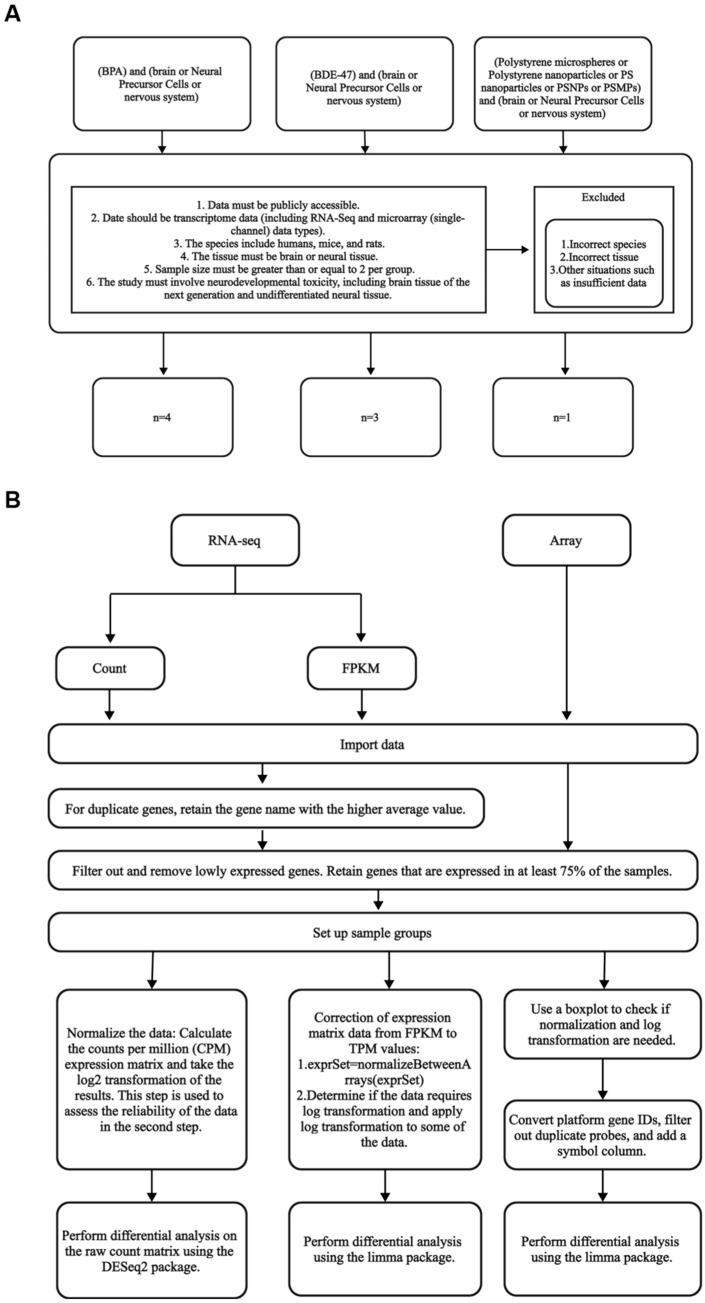
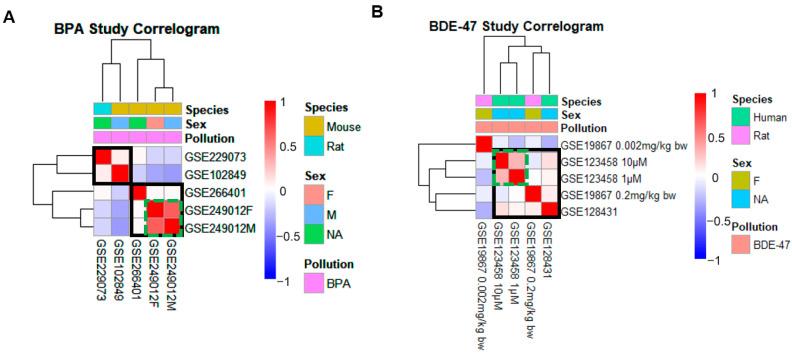
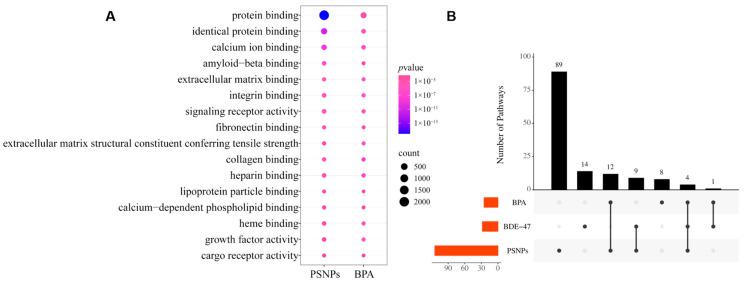
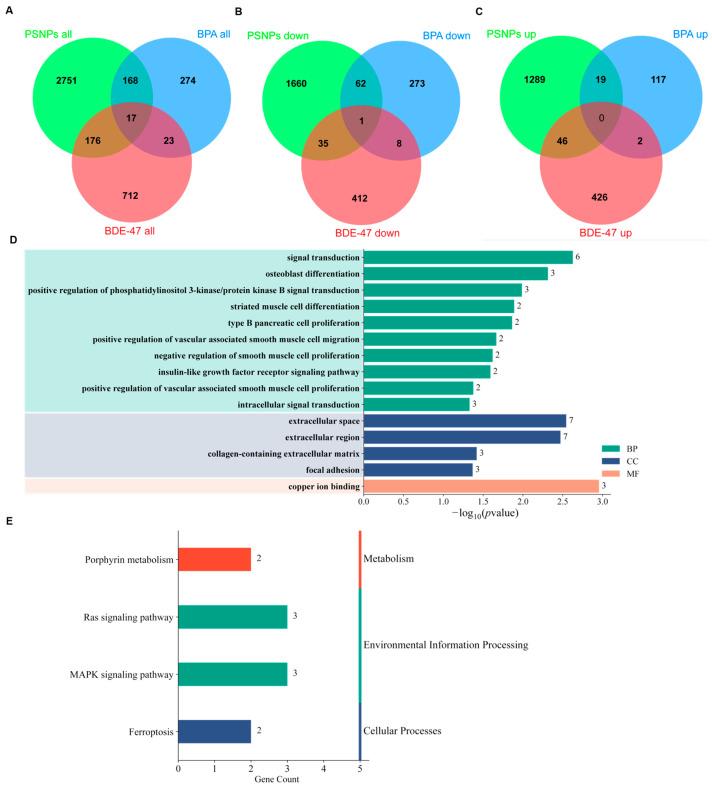
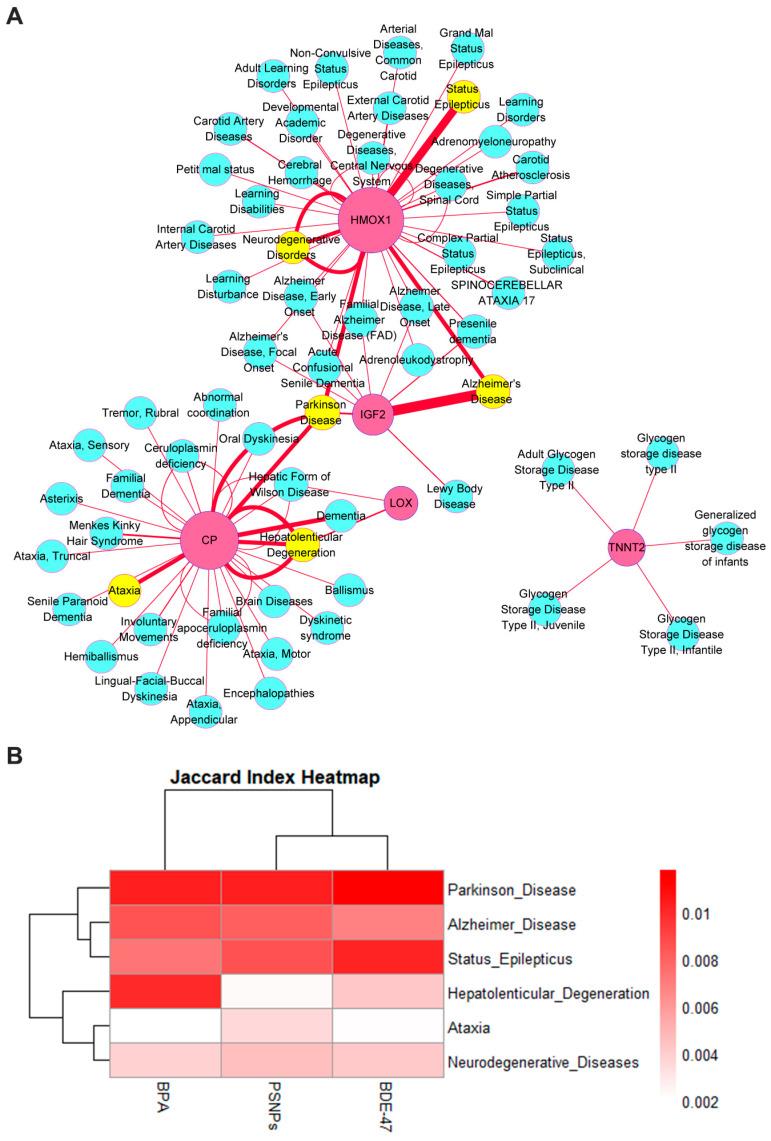
Environmental contaminants exhibit heterogeneous neurotoxicity profiles, yet systematic comparisons between legacy neurotoxicants and emerging pollutants remain scarce. To address this gap, we implemented an integrative transcriptome meta-analysis framework that harmonized eight transcriptomic datasets spanning in vivo and in vitro neural models exposed to two legacy neurotoxicants (bisphenol A [BPA], 2, 2', 4, 4'-tetrabromodiphenyl ether [BDE-47]) and polystyrene nanoplastics (PSNPs) as an emerging contaminant. Our analysis revealed a substantial overlap (68% consistency) in differentially expressed genes (DEGs) between BPA and PSNPs, with shared enrichment in extracellular matrix disruption pathways (e.g., "fibronectin binding" and "collagen binding", < 0.05). Network-based toxicogenomic mapping linked all three contaminants to six neurological disorders, with BPA showing the strongest associations with Hepatolenticular Degeneration. Crucially, a sex-stratified analysis uncovered male-specific transcriptional responses to BPA (e.g., lipid metabolism and immune response dysregulation), whereas female models showed no equivalent enrichment. This highlights the sex-specific transcriptional characteristics of BPA exposure. This study establishes a novel computational toxicology workflow that bridges legacy and emerging contaminant research, providing mechanistic insights for chemical prioritization and gender-specific risk assessment.
环境污染物呈现出异质性的神经毒性特征,但传统神经毒物与新兴污染物之间的系统比较仍然很少。为了填补这一空白,我们实施了一个综合转录组元分析框架,该框架整合了八个转录组数据集,这些数据集涵盖了体内和体外神经模型,这些模型暴露于两种传统神经毒物(双酚A [BPA]、2, 2', 4, 4'-四溴二苯醚 [BDE-47])以及作为新兴污染物的聚苯乙烯纳米塑料(PSNPs)。我们的分析揭示了BPA和PSNPs之间差异表达基因(DEGs)存在大量重叠(一致性为68%),在细胞外基质破坏途径(如“纤连蛋白结合”和“胶原结合”,< 0.05)中存在共同富集。基于网络的毒理基因组图谱将所有三种污染物与六种神经系统疾病联系起来,其中BPA与肝豆状核变性的关联最强。至关重要的是,一项按性别分层的分析发现了男性对BPA的特异性转录反应(如脂质代谢和免疫反应失调),而女性模型则没有同等程度的富集。这突出了BPA暴露的性别特异性转录特征。本研究建立了一种新颖的计算毒理学工作流程,架起了传统污染物和新兴污染物研究之间的桥梁,为化学物质优先级排序和性别特异性风险评估提供了机制性见解。




 Zotero 插件