
人乳牙间充质干细胞的分泌组增强体外伤口愈合并调节炎症。
The Secretome of Human Deciduous Tooth-Derived Mesenchymal Stem Cells Enhances In Vitro Wound Healing and Modulates Inflammation.
作者信息
Payão Thais Simião, Pellegrini Vanessa, Morari Joseane, Gonçalves Gisele Mara Silva, de Godoy Maria Carolina Ximenes, Gambero Alessandra, Reis Leonardo O, Velloso Lício Augusto, Araújo Eliana Pereira, Pascoal Lívia Bitencourt
机构信息
School of Life Sciences, Faculty of Veterinary Medicine, Pontifical Catholic University of Campinas (PUC Campinas), São Paulo 13060-904, Brazil.
ImmunOncology, Pontifical Catholic University of Campinas, São Paulo 13060-904, Brazil.
出版信息
Pharmaceutics. 2025 Jul 25;17(8):961. doi: 10.3390/pharmaceutics17080961.
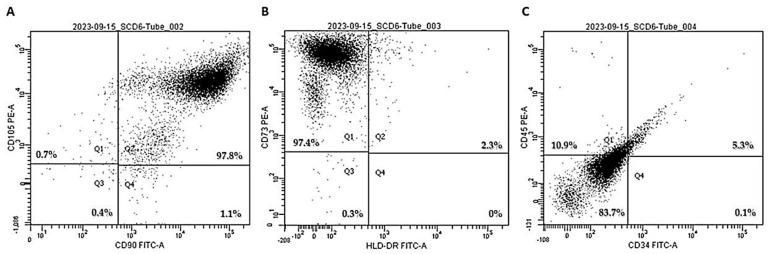
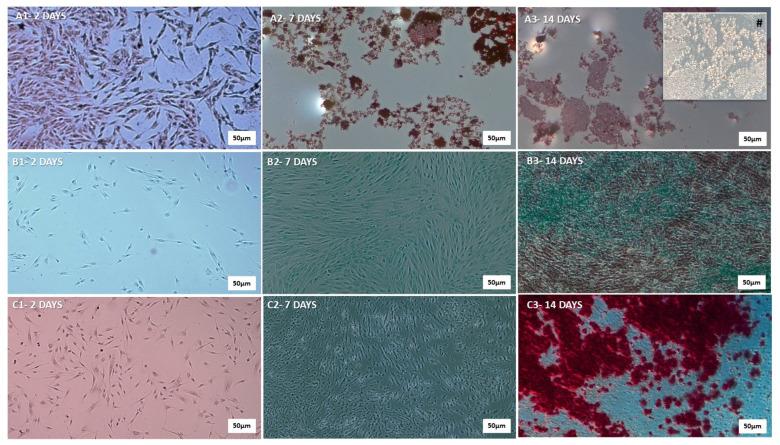
Chronic wounds represent a significant clinical and public health challenge due to impaired tissue repair and high associated morbidity. This study investigates the therapeutic potential of the secretome derived from human mesenchymal stem cells obtained from the pulp of deciduous teeth (hDP-MSCs) in promoting skin wound healing. After confirming the mesenchymal identity and multipotent differentiation potential of hDP-MSCs by using flow cytometry and histological staining, the effects of the secretome on human keratinocyte (HaCaT) cultures were evaluated. Scratch assays, performed under high- and low-glucose conditions, demonstrated that the secretome significantly promoted keratinocyte migration and wound closure without compromising cell viability. Additionally, the secretome modulated the expression of key genes involved in inflammation and tissue regeneration, including IL-1β, TNF-α, TGF-β1, and VEGF-α, in a time-dependent manner. Under inflammatory conditions induced by lipopolysaccharide, co-treatment with the secretome significantly reduced TNF-α expression and increased TGF-β1 expression, suggesting an anti-inflammatory effect. These findings indicate the potential of the hDP-MSC-derived secretome as a promising cell-free therapeutic strategy capable of accelerating skin regeneration and modulating the inflammatory response during the wound healing process.
由于组织修复受损以及相关的高发病率,慢性伤口是一个重大的临床和公共卫生挑战。本研究调查了源自乳牙牙髓的人间充质干细胞(hDP-MSCs)分泌组在促进皮肤伤口愈合方面的治疗潜力。通过流式细胞术和组织学染色确认hDP-MSCs的间充质特性和多能分化潜力后,评估了分泌组对人角质形成细胞(HaCaT)培养物的影响。在高糖和低糖条件下进行的划痕试验表明,分泌组显著促进角质形成细胞迁移和伤口闭合,且不影响细胞活力。此外,分泌组以时间依赖性方式调节参与炎症和组织再生的关键基因的表达,包括IL-1β、TNF-α、TGF-β1和VEGF-α。在脂多糖诱导的炎症条件下,与分泌组共同处理显著降低了TNF-α表达并增加了TGF-β1表达,表明具有抗炎作用。这些发现表明,hDP-MSC衍生的分泌组有可能成为一种有前景的无细胞治疗策略,能够加速皮肤再生并在伤口愈合过程中调节炎症反应。




 Zotero 插件