
体内CAR-T细胞疗法:基于细胞的肿瘤免疫疗法的新突破。
In vivo CAR-T cell therapy: New breakthroughs for cell-based tumor immunotherapy.
作者信息
Huang Yifan, Cao Rong, Wang Siyang, Chen Xinfeng, Ping Yu, Zhang Yi
机构信息
Biotherapy Center and Cancer Center, The First Affiliated Hospital of Zhengzhou University, Zhengzhou, Henan, China.
Zhongyuan Cell Therapy and Immunotherapy Laboratory, Henan Academy of Innovations in Medical Science, Zhengzhou, Henan, China.
出版信息
Hum Vaccin Immunother. 2025 Dec;21(1):2558403. doi: 10.1080/21645515.2025.2558403. Epub 2025 Sep 11.
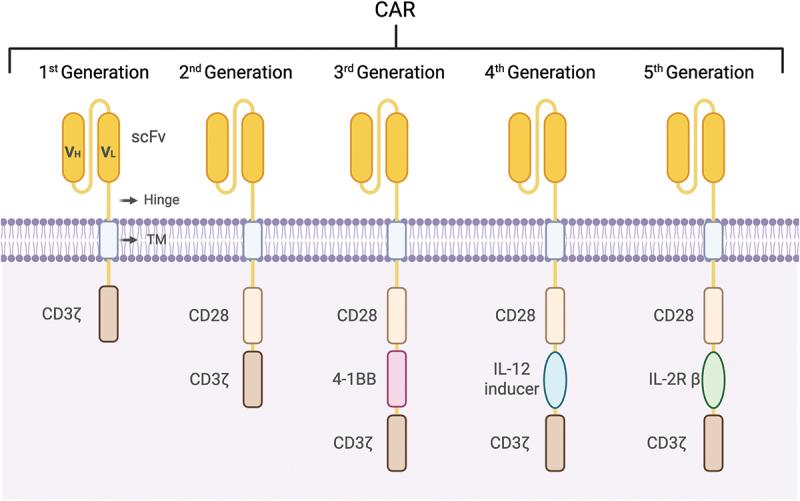
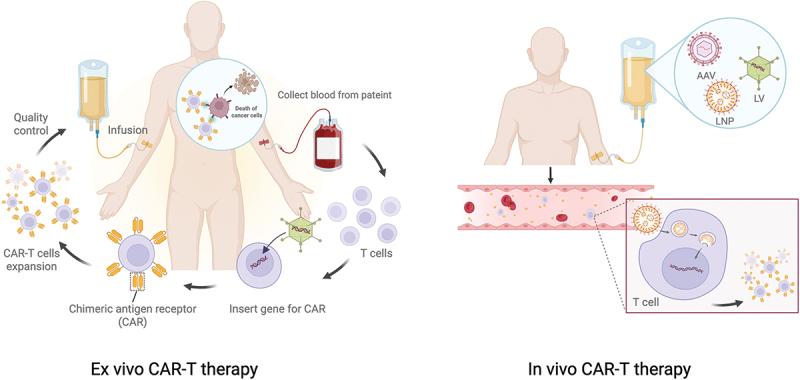
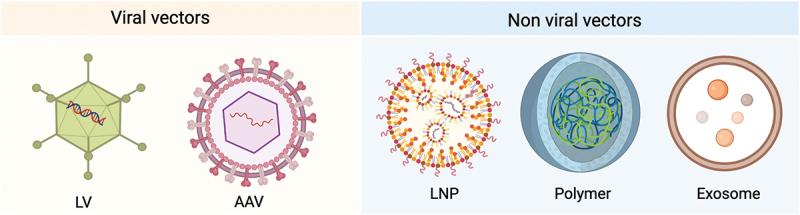
Chimeric antigen receptor (CAR)-T cell immunotherapy represents an evolutionary advance in the treatment of cancer, yet it faces challenges such as manufacturing complexity, high cost, and time-consuming process. In recent years, the strategy of in vivo CAR-T cell therapy is emerging as a promising approach to improve anti-tumor effectiveness and safety. Briefly, T cells are genetically modified to express CAR protein directly in the body by delivery of vectors. With the continuous optimization of gene delivery systems, gene editing technologies and CAR structures, advancements in in vivo CAR-T therapies have notably enhanced safety, effectiveness, and application in clinical settings. Here, we review the key platforms of in vivo gene delivery and the progress of in vivo CAR-T cell therapy for cancers. We discuss the challenges of in vivo CAR-T cell therapy, such as safety issues of gene delivery, the persistence and function of CAR-T cell, and the immunosuppressive microenvironment in solid tumors.
嵌合抗原受体(CAR)-T细胞免疫疗法是癌症治疗领域的一项重大进展,但它面临着诸如制造复杂、成本高昂和过程耗时等挑战。近年来,体内CAR-T细胞疗法策略正逐渐成为一种有望提高抗肿瘤疗效和安全性的方法。简而言之,通过载体递送,T细胞被基因改造以直接在体内表达CAR蛋白。随着基因递送系统、基因编辑技术和CAR结构的不断优化,体内CAR-T疗法的进展显著提高了安全性、有效性以及在临床环境中的应用。在此,我们综述了体内基因递送的关键平台以及体内CAR-T细胞治疗癌症的进展。我们讨论了体内CAR-T细胞疗法面临的挑战,如基因递送的安全性问题、CAR-T细胞的持久性和功能,以及实体瘤中的免疫抑制微环境。

 Zotero 插件