
肝细胞癌:信号通路与治疗进展
Hepatocellular carcinoma: signaling pathways and therapeutic advances.
作者信息
Zheng Jiaojiao, Wang Siying, Xia Lei, Sun Zhen, Chan Kui Ming, Bernards René, Qin Wenxin, Chen Jinhong, Xia Qiang, Jin Haojie
机构信息
State Key Laboratory of Systems Medicine for Cancer, Shanghai Cancer Institute, Renji Hospital, Shanghai Jiao Tong University School of Medicine, Shanghai, PR China.
Department of Liver Surgery, Renji Hospital, Shanghai Jiao Tong University School of Medicine, Shanghai, PR China.
出版信息
Signal Transduct Target Ther. 2025 Feb 7;10(1):35. doi: 10.1038/s41392-024-02075-w.
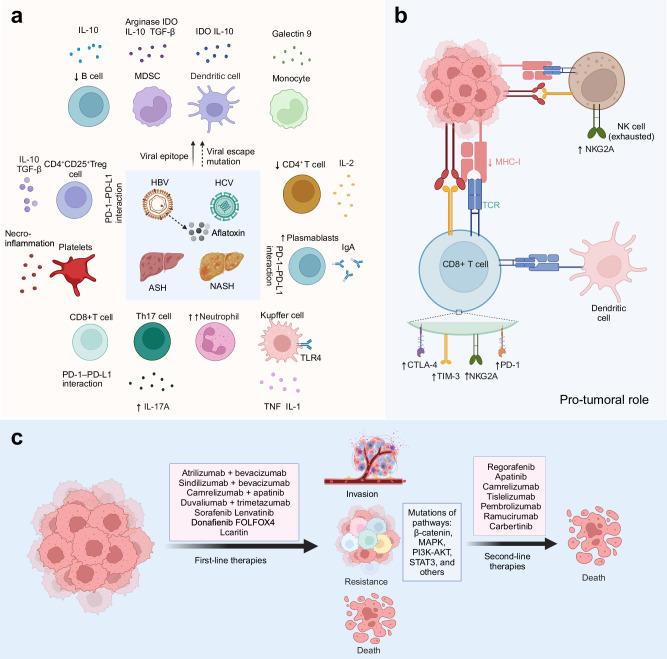
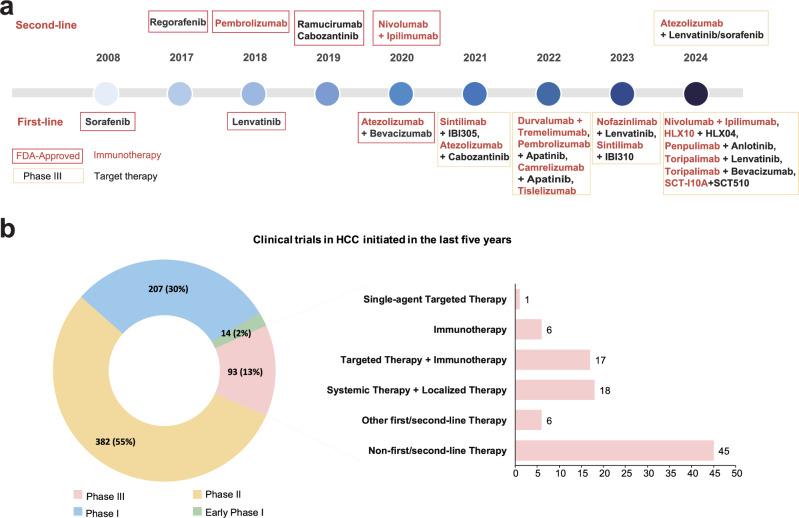
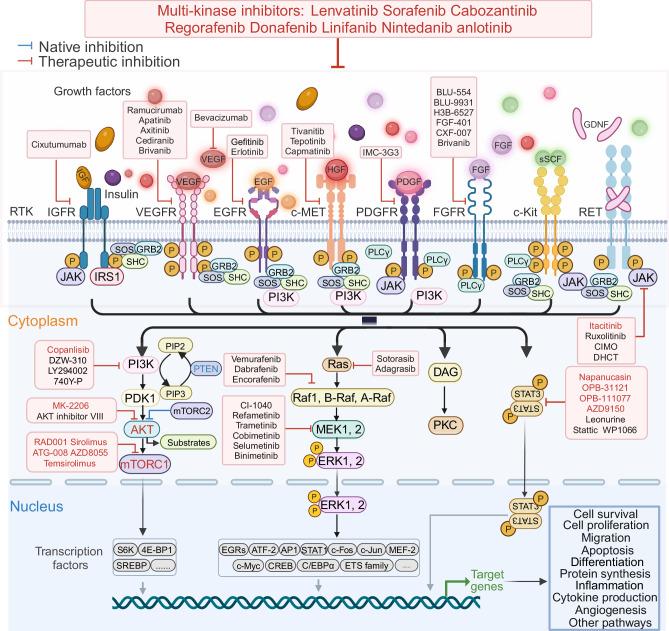
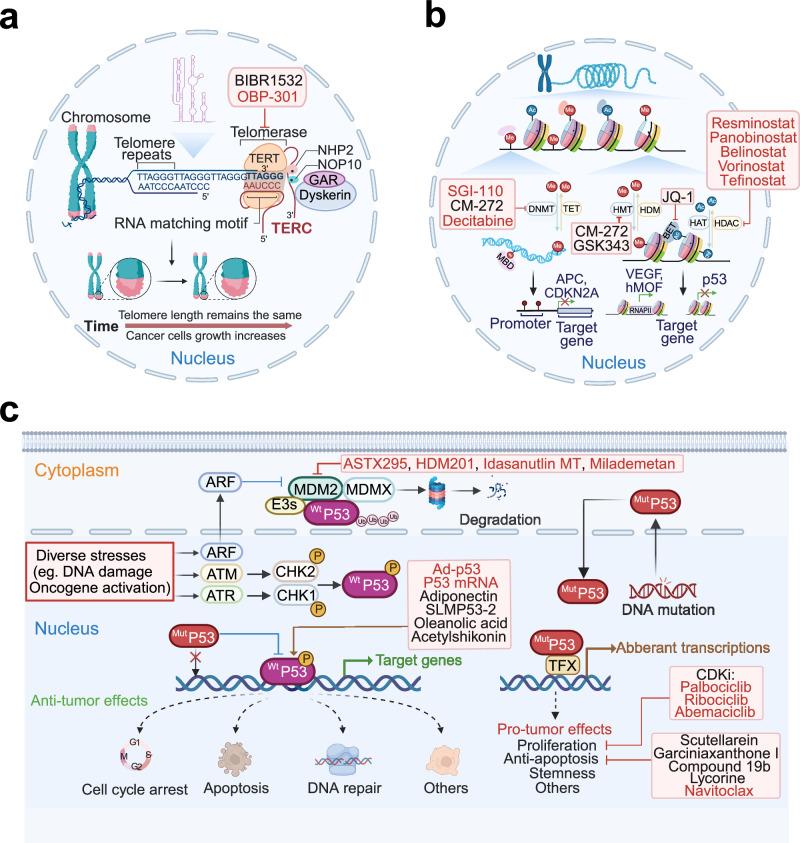
Liver cancer represents a major global health concern, with projections indicating that the number of new cases could surpass 1 million annually by 2025. Hepatocellular carcinoma (HCC) constitutes around 90% of liver cancer cases and is primarily linked to factors incluidng aflatoxin, hepatitis B (HBV) and C (HCV), and metabolic disorders. There are no obvious symptoms in the early stage of HCC, which often leads to delays in diagnosis. Therefore, HCC patients usually present with tumors in advanced and incurable stages. Several signaling pathways are dis-regulated in HCC and cause uncontrolled cell propagation, metastasis, and recurrence of HCC. Beyond the frequently altered and therapeutically targeted receptor tyrosine kinase (RTK) pathways in HCC, pathways involved in cell differentiation, telomere regulation, epigenetic modification and stress response also provide therapeutic potential. Investigating the key signaling pathways and their inhibitors is pivotal for achieving therapeutic advancements in the management of HCC. At present, the primary therapeutic approaches for advanced HCC are tyrosine kinase inhibitors (TKI), immune checkpoint inhibitors (ICI), and combination regimens. New trials are investigating combination therapies involving ICIs and TKIs or anti-VEGF (endothelial growth factor) therapies, as well as combinations of two immunotherapy regimens. The outcomes of these trials are expected to revolutionize HCC management across all stages. Here, we provide here a comprehensive review of cellular signaling pathways, their therapeutic potential, evidence derived from late-stage clinical trials in HCC and discuss the concepts underlying earlier clinical trials, biomarker identification, and the development of more effective therapeutics for HCC.
肝癌是一个重大的全球健康问题,据预测,到2025年,每年新增病例数可能超过100万。肝细胞癌(HCC)约占肝癌病例的90%,主要与黄曲霉毒素、乙型肝炎(HBV)和丙型肝炎(HCV)以及代谢紊乱等因素有关。HCC早期没有明显症状,这常常导致诊断延误。因此,HCC患者通常在晚期和无法治愈的阶段出现肿瘤。HCC中一些信号通路失调,导致细胞不受控制地增殖、转移和复发。除了HCC中经常改变且作为治疗靶点的受体酪氨酸激酶(RTK)通路外,参与细胞分化、端粒调节、表观遗传修饰和应激反应的通路也具有治疗潜力。研究关键信号通路及其抑制剂对于在HCC治疗方面取得进展至关重要。目前,晚期HCC的主要治疗方法是酪氨酸激酶抑制剂(TKI)、免疫检查点抑制剂(ICI)和联合治疗方案。新的试验正在研究涉及ICI和TKI的联合疗法或抗血管内皮生长因子(VEGF)疗法,以及两种免疫治疗方案的联合。这些试验的结果有望彻底改变HCC各阶段的治疗方式。在此,我们全面综述了细胞信号通路、它们的治疗潜力、HCC晚期临床试验的证据,并讨论了早期临床试验的基本概念、生物标志物鉴定以及开发更有效的HCC治疗方法。

 Zotero 插件