
基于数据库的对抗 HIV-1 或超级细菌的强效肽的发现。
Database-Guided Discovery of Potent Peptides to Combat HIV-1 or Superbugs.
机构信息
Department of Pathology and Microbiology, University of Nebraska Medical Center, 986495 Nebraska Medical Center, Omaha, NE 68198-6495, USA.
出版信息
Pharmaceuticals (Basel). 2013 May 27;6(6):728-58. doi: 10.3390/ph6060728.
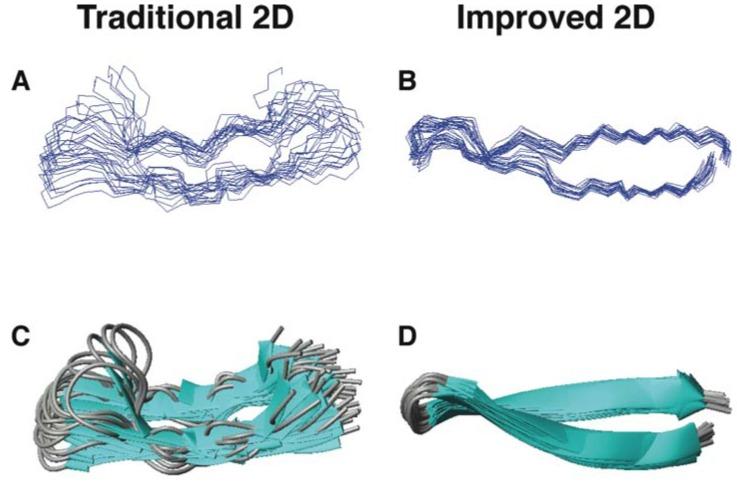
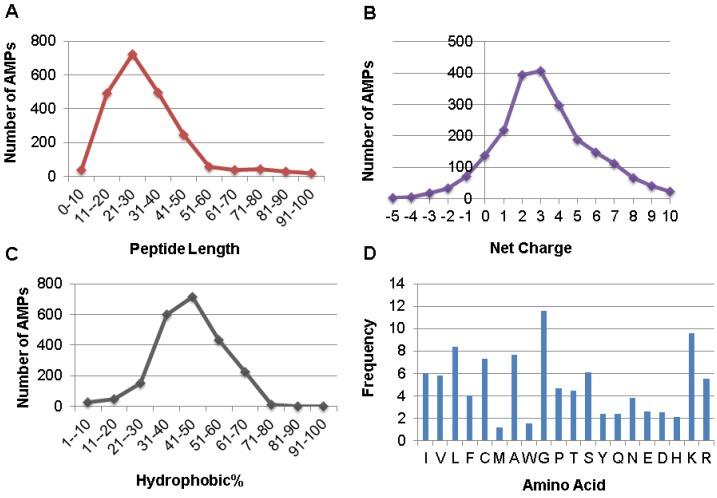
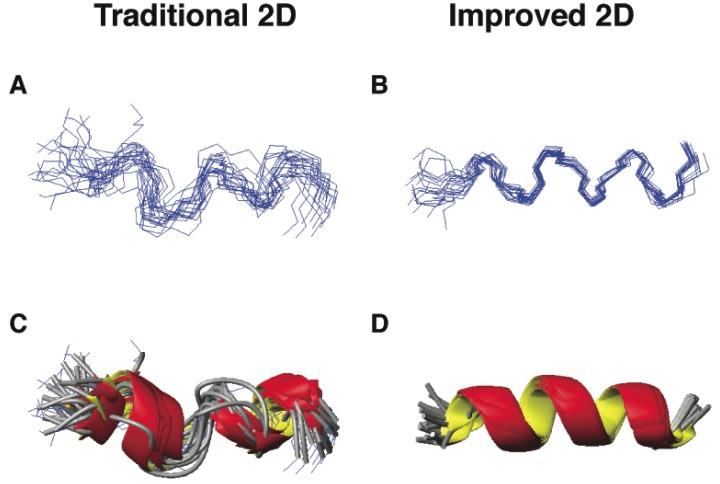
Antimicrobial peptides (AMPs), small host defense proteins, are indispensable for the protection of multicellular organisms such as plants and animals from infection. The number of AMPs discovered per year increased steadily since the 1980s. Over 2,000 natural AMPs from bacteria, protozoa, fungi, plants, and animals have been registered into the antimicrobial peptide database (APD). The majority of these AMPs (>86%) possess 11-50 amino acids with a net charge from 0 to +7 and hydrophobic percentages between 31-70%. This article summarizes peptide discovery on the basis of the APD. The major methods are the linguistic model, database screening, de novo design, and template-based design. Using these methods, we identified various potent peptides against human immunodeficiency virus type 1 (HIV-1) or methicillin-resistant Staphylococcus aureus (MRSA). While the stepwise designed anti-HIV peptide is disulfide-linked and rich in arginines, the ab initio designed anti-MRSA peptide is linear and rich in leucines. Thus, there are different requirements for antiviral and antibacterial peptides, which could kill pathogens via different molecular targets. The biased amino acid composition in the database-designed peptides, or natural peptides such as θ-defensins, requires the use of the improved two-dimensional NMR method for structural determination to avoid the publication of misleading structure and dynamics. In the case of human cathelicidin LL-37, structural determination requires 3D NMR techniques. The high-quality structure of LL-37 provides a solid basis for understanding its interactions with membranes of bacteria and other pathogens. In conclusion, the APD database is a comprehensive platform for storing, classifying, searching, predicting, and designing potent peptides against pathogenic bacteria, viruses, fungi, parasites, and cancer cells.
抗菌肽(AMPs)是一种小型宿主防御蛋白,对于保护植物和动物等多细胞生物免受感染是必不可少的。自 20 世纪 80 年代以来,每年发现的抗菌肽数量稳步增加。已经有超过 2000 种来自细菌、原生动物、真菌、植物和动物的天然 AMP 被注册到抗菌肽数据库(APD)中。这些 AMP 中的大多数(>86%)都具有 11-50 个氨基酸,净电荷为 0 到+7,疏水性百分比在 31-70%之间。本文基于 APD 总结了肽的发现。主要方法有语言模型、数据库筛选、从头设计和基于模板的设计。使用这些方法,我们鉴定了针对人类免疫缺陷病毒 1(HIV-1)或耐甲氧西林金黄色葡萄球菌(MRSA)的各种有效肽。虽然逐步设计的抗 HIV 肽是二硫键连接且富含精氨酸,从头设计的抗 MRSA 肽是线性的且富含亮氨酸。因此,抗病毒肽和抗菌肽有不同的要求,它们可以通过不同的分子靶点杀死病原体。数据库设计肽或天然肽(如θ-防御素)中偏置的氨基酸组成,需要使用改进的二维 NMR 方法进行结构测定,以避免发表误导性结构和动力学信息。在人源 cathelicidin LL-37 的情况下,结构测定需要 3D NMR 技术。LL-37 的高质量结构为理解其与细菌和其他病原体的膜相互作用提供了坚实的基础。总之,APD 数据库是一个综合平台,用于存储、分类、搜索、预测和设计针对致病细菌、病毒、真菌、寄生虫和癌细胞的有效肽。


 Zotero 插件