
一种类似类固醇的植物化学物质安妥明M是一种抗衰老试剂,它通过直接激活Nrf2和SIRT-1来消除高血糖加速的皮肤成纤维细胞过早衰老。
A steroid like phytochemical Antcin M is an anti-aging reagent that eliminates hyperglycemia-accelerated premature senescence in dermal fibroblasts by direct activation of Nrf2 and SIRT-1.
作者信息
Senthil Kumar K J, Gokila Vani M, Mau Jeng-Leun, Lin Chin-Chung, Chu Fang-Hua, Wei Chia-Cheng, Liao Vivian Hsiu-Chuan, Wang Sheng-Yang
机构信息
Department of Forestry, National Chung Hsing University, Taichung, Taiwan.
National Chung Hsing University/University of California at Davis, Plant and Food Biotechnology Center, National Chung Hsing University, Taichung, Taiwan.
出版信息
Oncotarget. 2016 Sep 27;7(39):62836-62861. doi: 10.18632/oncotarget.11229.
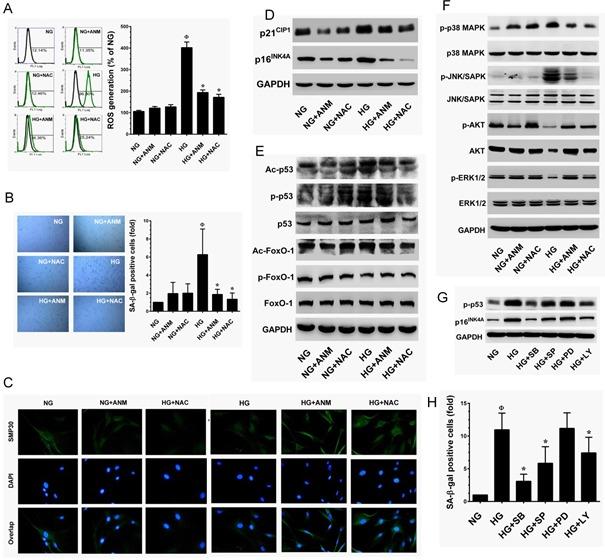
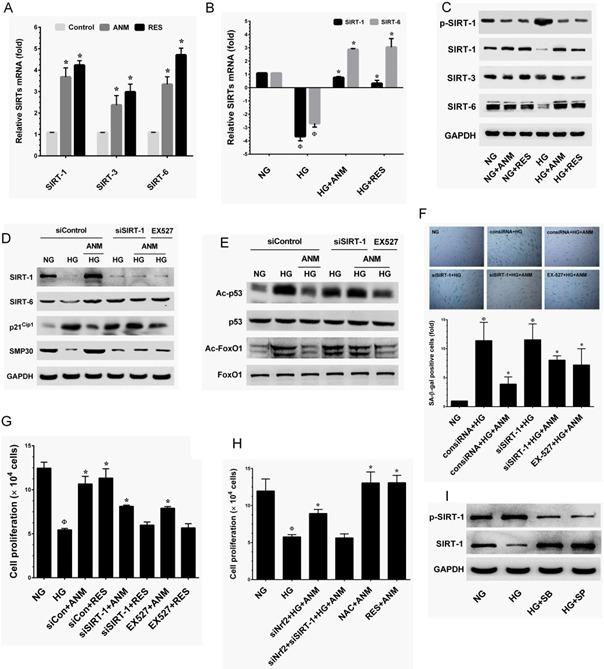
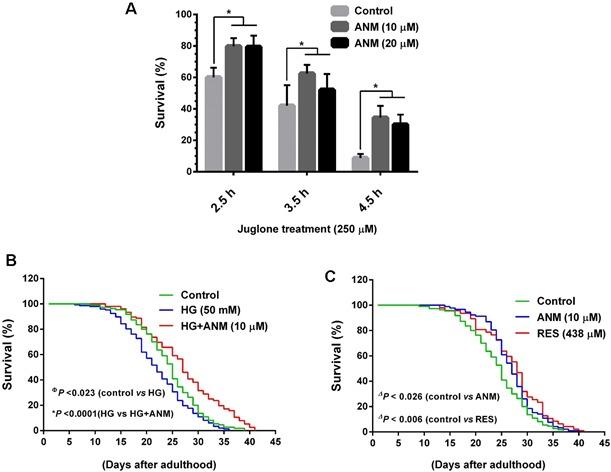
The present study revealed the anti-aging properties of antcin M (ANM) and elucidated the molecular mechanism underlying the effects. We found that exposure of human normal dermal fibroblasts (HNDFs) to high-glucose (HG, 30 mM) for 3 days, accelerated G0/G1 phase arrest and senescence. Indeed, co-treatment with ANM (10 µM) significantly attenuated HG-induced growth arrest and promoted cell proliferation. Further molecular analysis revealed that ANM blocked the HG-induced reduction in G1-S transition regulatory proteins such as cyclin D, cyclin E, CDK4, CDK6, CDK2 and protein retinoblastoma (pRb). In addition, treatment with ANM eliminated HG-induced reactive oxygen species (ROS) through the induction of anti-oxidant genes, HO-1 and NQO-1 via transcriptional activation of Nrf2. Moreover, treatment with ANM abolished HG-induced SIPS as evidenced by reduced senescence-associated β-galactosidase (SA-β-gal) activity. This effect was further confirmed by reduction in senescence-associated marker proteins including, p21CIP1, p16INK4A, and p53/FoxO1 acetylation. Also, the HG-induced decline in aging-related marker protein SMP30 was rescued by ANM. Furthermore, treatment with ANM increased SIRT-1 expression, and prevented SIRT-1 depletion. This protection was consistent with inhibition of SIRT-1 phosphorylation at Ser47 followed by blocking its upstream kinases, p38 MAPK and JNK/SAPK. Further analysis revealed that ANM partially protected HG-induced senescence in SIRT-1 silenced cells. A similar effect was also observed in Nrf2 silenced cells. However, a complete loss of protection was observed in both Nrf2 and SIRT-1 knockdown cells suggesting that both induction of Nrf2-mediated anti-oxidant defense and SIRT-1-mediated deacetylation activity contribute to the anti-aging properties of ANM in vitro. Result of in vivo studies shows that ANM-treated C. elegens exhibits an increased survival rate during HG-induced oxidative stress insult. Furthermore, ANM significantly extended the life span of C. elegans. Taken together, our results suggest the potential application of ANM in age-related diseases or as a preventive reagent against aging process.
本研究揭示了蚁酸M(ANM)的抗衰老特性,并阐明了其作用的分子机制。我们发现,将人正常皮肤成纤维细胞(HNDFs)暴露于高糖(HG,30 mM)环境3天,会加速G0/G1期阻滞和衰老。事实上,与ANM(10 µM)共同处理可显著减轻HG诱导的生长阻滞并促进细胞增殖。进一步的分子分析表明,ANM可阻止HG诱导的G1-S转换调节蛋白如细胞周期蛋白D、细胞周期蛋白E、细胞周期蛋白依赖性激酶4(CDK4)、细胞周期蛋白依赖性激酶6(CDK6)、细胞周期蛋白依赖性激酶2(CDK2)和视网膜母细胞瘤蛋白(pRb)的减少。此外,ANM处理通过诱导抗氧化基因HO-1和NQO-1,经Nrf2的转录激活消除了HG诱导的活性氧(ROS)。此外,ANM处理消除了HG诱导的衰老相关分泌表型(SIPS),这可通过衰老相关β-半乳糖苷酶(SA-β-gal)活性降低得到证明。衰老相关标记蛋白包括p21CIP1、p16INK4A和p53/FoxO1乙酰化水平的降低进一步证实了这一作用。此外,ANM挽救了HG诱导的衰老相关标记蛋白SMP30的下降。此外,ANM处理增加了沉默信息调节因子2相关酶1(SIRT-1)的表达,并防止了SIRT-1的耗竭。这种保护作用与抑制SIRT-1在Ser47位点的磷酸化以及阻断其上游激酶p38丝裂原活化蛋白激酶(p38 MAPK)和应激活化蛋白激酶(JNK/SAPK)一致。进一步分析表明,ANM可部分保护SIRT-1沉默细胞中HG诱导的衰老。在Nrf2沉默细胞中也观察到了类似的效果。然而,在Nrf2和SIRT-1基因敲低的细胞中均观察到完全失去保护作用,这表明Nrf2介导的抗氧化防御诱导和SIRT-1介导的去乙酰化活性均有助于ANM在体外的抗衰老特性。体内研究结果表明,经ANM处理的秀丽隐杆线虫在HG诱导的氧化应激损伤期间存活率增加。此外,ANM显著延长了秀丽隐杆线虫的寿命。综上所述,我们的结果表明ANM在与年龄相关的疾病中具有潜在应用价值,或可作为抗衰老过程的预防试剂。





 Zotero 插件