
挪威成年唇腭裂患者的社会经济地位与生育情况:一项基于人群的队列研究
Socio-Economic Status and Reproduction among Adults Born with an Oral Cleft: A Population-Based Cohort Study in Norway.
作者信息
Berg Erik, Sivertsen Åse, Ariansen Anja Maria Steinsland, Filip Charles, Vindenes Halvard A, Feragen Kristin B, Moster Dag, Lie Rolv Terje, Haaland Øystein A
机构信息
Department of Global Public Health and Primary Care, University of Bergen, Bergen, Norway.
Department of Plastic Surgery, Haukeland University Hospital, Bergen, Norway.
出版信息
PLoS One. 2016 Sep 15;11(9):e0162196. doi: 10.1371/journal.pone.0162196. eCollection 2016.
BACKGROUND
It has been reported that people born with orofacial clefts do worse in life than their peers regarding a range of social markers, such as academic achievement and reproduction. We have compared otherwise healthy individuals with and without clefts, to investigate if these differences are due to the cleft or other background factors.
MATERIALS AND METHODS
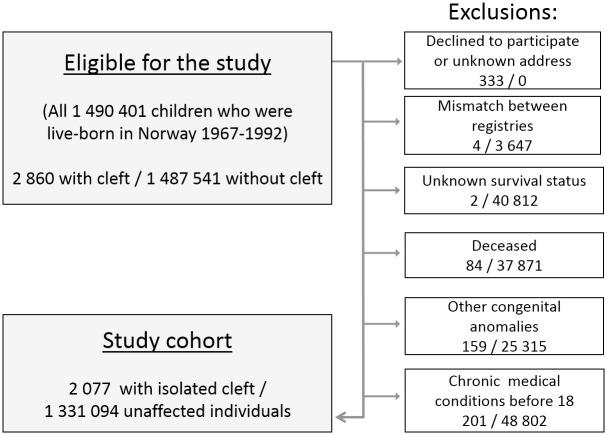
In a retrospective national cohort study, based on compulsory registers with data collected prospectively, we included everybody born in Norway between 1967 and 1992 (1490279 individuals, 2584 with clefts). This cohort was followed until the year 2010, when the youngest individuals were 18 years old. In order to ensure that the individuals were not affected by unknown syndromes or diseases, we excluded all individuals with any chronic medical condition, or who had other birth defects than clefts, hydroceles and dislocated hips. Individuals with oral clefts who were included in the study are said to have isolated clefts.
RESULTS
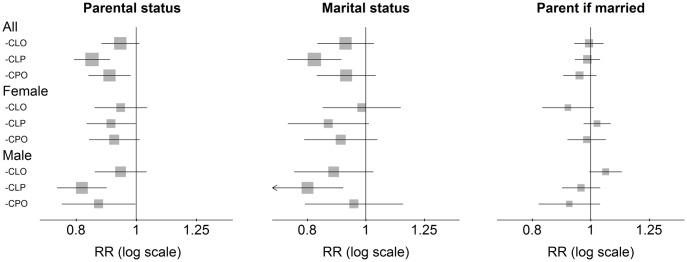
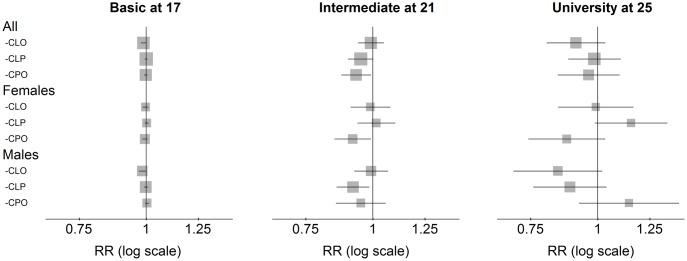
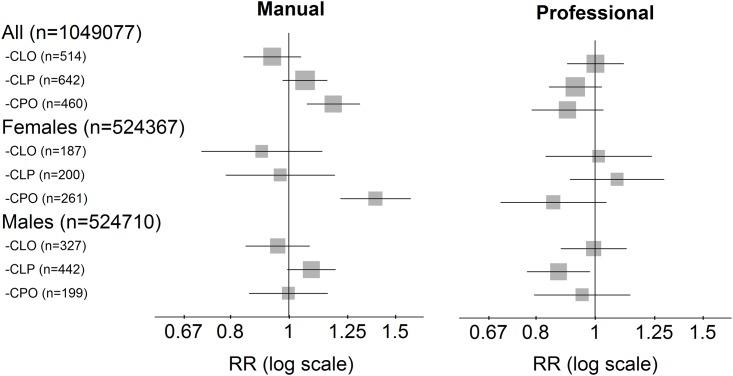
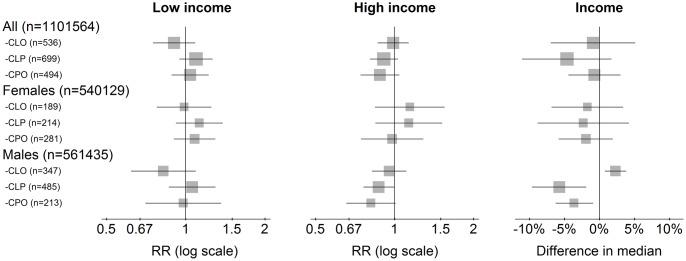
Isolated cleft patients are similar to the general population regarding education, income and social class. Isolated cleft patients have lower fertility than the background population, but considering only married couples this difference in fertility disappeared.
CONCLUSIONS
An oral cleft did not appear to affect future socioeconomic status or chances of becoming a parent for children born in Norway. An exception was males with cleft lip and palate, but differences were small.
背景
据报道,患有口面部裂隙的人在一系列社会指标方面,如学业成绩和生育情况,比同龄人表现更差。我们比较了有和没有裂隙的健康个体,以调查这些差异是由于裂隙还是其他背景因素造成的。
材料与方法
在一项基于前瞻性收集数据的强制登记册的全国性回顾性队列研究中,我们纳入了1967年至1992年在挪威出生的所有人(1490279人,2584人有裂隙)。该队列随访至2010年,此时最年轻的个体为18岁。为确保个体不受未知综合征或疾病的影响,我们排除了所有患有任何慢性疾病、或除裂隙、鞘膜积液和髋关节脱位外有其他出生缺陷的个体。纳入研究的口面部裂隙患者被称为患有单纯性裂隙。
结果
单纯性裂隙患者在教育程度、收入和社会阶层方面与普通人群相似。单纯性裂隙患者的生育能力低于背景人群,但仅考虑已婚夫妇时,这种生育差异消失。
结论
口面部裂隙似乎并未影响挪威出生儿童未来的社会经济地位或成为父母的机会。唇腭裂男性是个例外,但差异很小。
 Zotero 插件