
循环肿瘤细胞通过诱导全身炎症促进播散癌细胞的转移定植。
Circulating tumor cells promote the metastatic colonization of disseminated carcinoma cells by inducing systemic inflammation.
作者信息
Li Yong-Chao, Zou Jiu-Ming, Luo Chao, Shu Yu, Luo Jing, Qin Jian, Wang Yu, Li Dong, Wang Shan-Shan, Chi Gang, Guo Fang, Zhang Gui-Mei, Feng Zuo-Hua
机构信息
Department of Biochemistry and Molecular Biology, School of Basic Medicine, Tongji Medical College, Huazhong University of Science and Technology, Wuhan 430030, The People's Republic of China.
出版信息
Oncotarget. 2017 Apr 25;8(17):28418-28430. doi: 10.18632/oncotarget.16084.
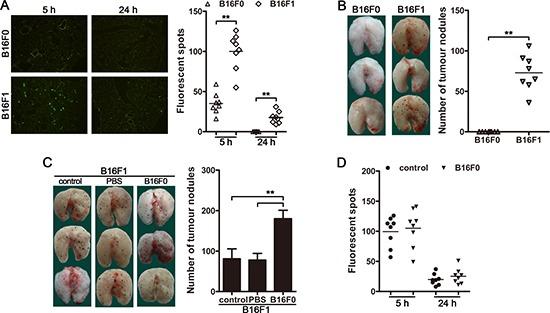
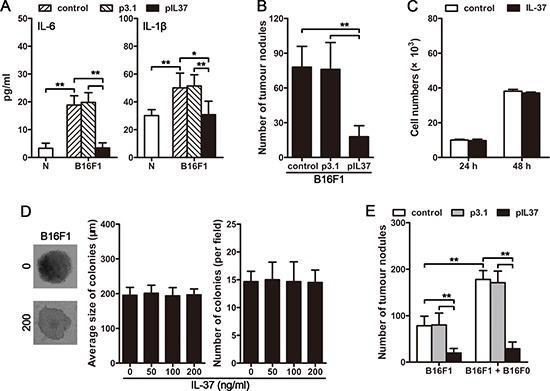
Circulating tumor cells (CTCs) have been studied well in the prognosis for malignant diseases as liquid biopsy, but their contribution to tumor metastasis is not clearly defined. Here we report that CTCs could promote the metastatic colonization of disseminated carcinoma cells by inducing systemic inflammation and neutrophil recruitment to pre-metastatic organs. Depletion of neutrophils in vivo could effectively abrogate the promoting effect of CTCs on tumor cell metastasis. In the presence of CTCs, the pro-tumor function of neutrophils was augmented, whereas the antitumor function of neutrophils was suppressed. Mechanically, CTC-derived ligands for TLR2 and TLR4 (TLR2/4) induced the systemic inflammation, thus increasing the production of proinflammatory cytokines such as G-CSF and IL-6 that could induce the conversion of neutrophil function from tumor-suppressing to tumor-promoting. Moreover, CTCs induced the production of endogenous TLR2/4 ligands such as S100A8, S100A9, and SAA3, which may amplify the stimulating effect that induces the expression of proinflammatory cytokines. The promoting effect of CTCs on tumor cell metastasis could be abrogated by suppressing inflammatory response with IL-37, an anti-inflammatory cytokine, or blocking CTC-derived ligands for TLR2/4. Identification of the metastatic axis of CTCs/systemic inflammation/neutrophils may provide potential targets for preventing tumor cell metastasis.
循环肿瘤细胞(CTCs)作为液体活检在恶性疾病预后方面已得到充分研究,但其对肿瘤转移的作用尚未明确界定。在此我们报告,CTCs可通过诱导全身炎症反应以及将中性粒细胞募集至转移前器官,促进播散癌细胞的转移定植。体内中性粒细胞的耗竭可有效消除CTCs对肿瘤细胞转移的促进作用。在存在CTCs的情况下,中性粒细胞的促肿瘤功能增强,而抗肿瘤功能受到抑制。从机制上来说,CTCs来源的Toll样受体2和4(TLR2/4)配体诱导全身炎症反应,从而增加促炎细胞因子如粒细胞集落刺激因子(G-CSF)和白细胞介素-6(IL-6)的产生,这些细胞因子可诱导中性粒细胞功能从抑癌向促癌转变。此外,CTCs诱导内源性TLR2/4配体如S100A8、S100A9和血清淀粉样蛋白A3(SAA3)的产生,这可能会放大诱导促炎细胞因子表达的刺激作用。通过用抗炎细胞因子IL-37抑制炎症反应或阻断CTCs来源的TLR2/4配体,可消除CTCs对肿瘤细胞转移的促进作用。鉴定CTCs/全身炎症反应/中性粒细胞的转移轴可能为预防肿瘤细胞转移提供潜在靶点。



 Zotero 插件