
使用鸡胚模型研究葡甲胺锑对胚胎的毒理病理学作用。
Embryonic toxico-pathological effects of meglumine antimoniate using a chick embryo model.
机构信息
Leishmaniasis Research Center, Kerman University of Medical Sciences, Kerman, Iran.
Department of Clinical Science, School of Veterinary Medicine, Shahid Bahonar University of Kerman, Kerman, Iran.
出版信息
PLoS One. 2018 May 25;13(5):e0196424. doi: 10.1371/journal.pone.0196424. eCollection 2018.
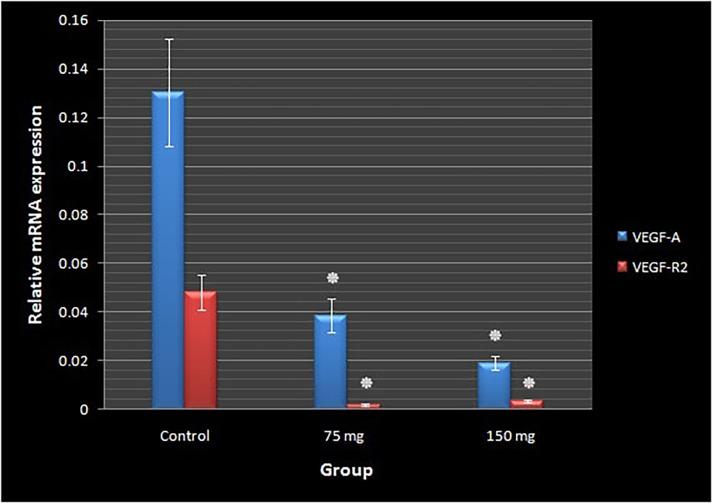
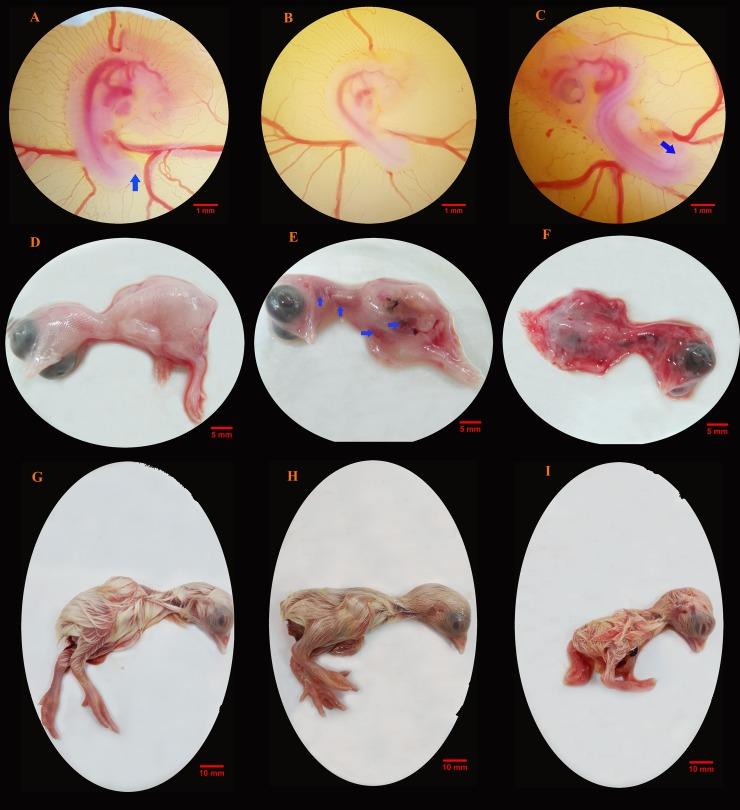
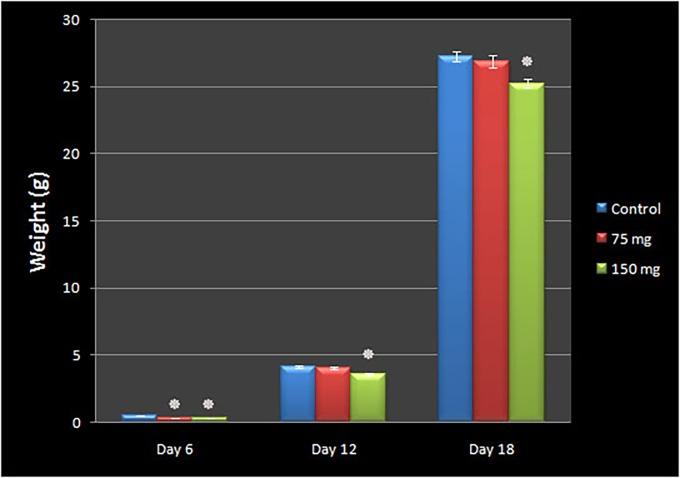
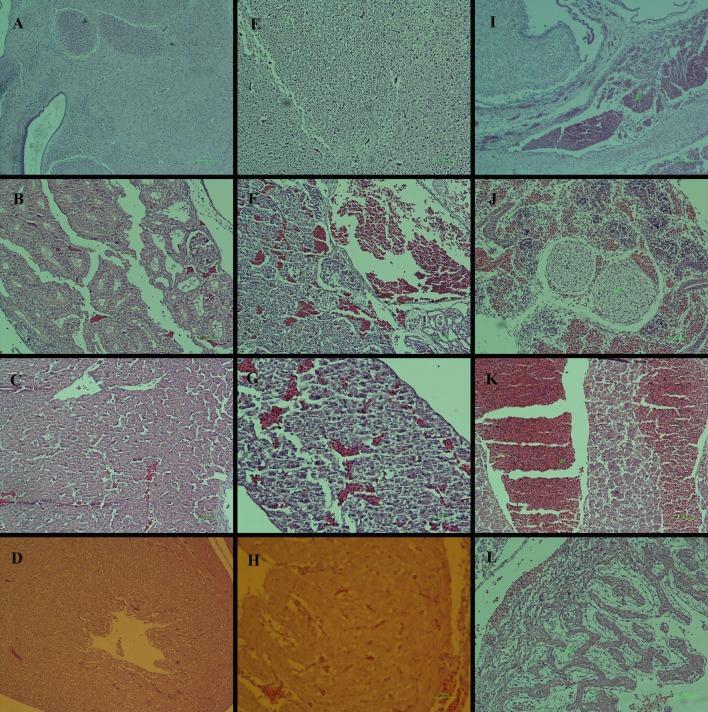
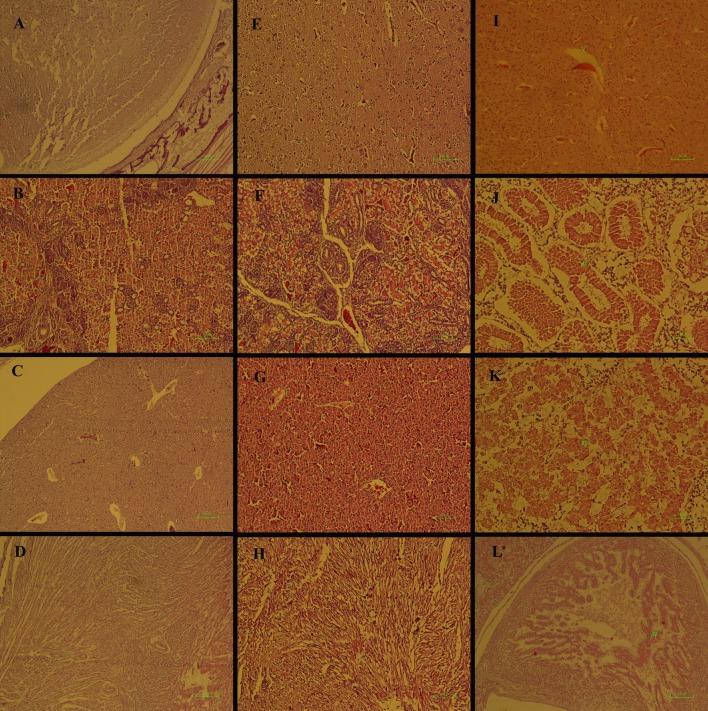
Leishmaniasis is one of the diverse and neglected tropical diseases. Embryo-toxicity of drugs has always been a major concern. Chick embryo is a preclinical model relevant in the assessment of adverse effects of drugs. The current study aimed to assess embryonic histopathological disorders and amniotic fluid biochemical changes following meglumine antimoniate treatment. The alteration of vascular branching pattern in the chick's extra-embryonic membrane and exploration of molecular cues to early embryonic vasculogenesis and angiogenesis were also quantified. Embryonated chicken eggs were treated with 75 or 150 mg/kg of meglumine antimoniate. Embryo malformations, growth retardation and haemorrhages on the external body surfaces were accompanied by histopathological lesions in the brain, kidney, liver and heart in a dose-dependent manner. Significant rise occurred in the biochemical indices of alkaline phosphatase, aspartate aminotransferase, alanine aminotransferase and amylase in the amniotic fluid. Quantification of the extra-embryonic membrane vasculature showed that the anti-angiogenic and anti-vasculogenic effects of the drug were revealed by a significant decrease in fractal dimension value and mean capillary area. The relative expression levels of vascular endothelial growth factor A and vascular endothelial growth factor receptor 2 mRNA also significantly reduced. Concerns of a probable teratogenicity of meglumine antimoniate were established by data presented in this study. It is concluded that tissue lesions, amniotic fluid disturbance, altered early extra-embryonic vascular development and gene expression as well as the consecutive cascade of events, might eventually lead to developmental defects in embryo following meglumine antimoniate treatment. Therefore, the use of meglumine antimoniate during pregnancy should be considered as potentially embryo-toxic. Hence, physicians should be aware of such teratogenic effects and limit the use of this drug during the growing period of the fetus, particularly in rural communities. Further pharmaceutical investigations are crucial for planning future strategies.
利什曼病是多种被忽视的热带病之一。药物的胚胎毒性一直是一个主要关注点。鸡胚是评估药物不良反应的临床前模型。本研究旨在评估葡萄糖酸锑钠治疗后胚胎的组织病理学紊乱和羊水生化变化。还对鸡胚外胚膜血管分支模式的改变以及探索早期胚胎血管生成和血管生成的分子线索进行了量化。用 75 或 150mg/kg 的葡萄糖酸锑钠处理鸡胚。胚胎畸形、生长迟缓以及外部身体表面的出血伴随着大脑、肾脏、肝脏和心脏的组织病理学损伤,呈剂量依赖性。羊水的碱性磷酸酶、天冬氨酸转氨酶、丙氨酸转氨酶和淀粉酶的生化指标显著升高。鸡胚外胚膜血管的量化显示,药物的抗血管生成和抗血管生成作用通过分形维数值和毛细血管平均面积的显著降低而显现。血管内皮生长因子 A 和血管内皮生长因子受体 2mRNA 的相对表达水平也显著降低。本研究的数据表明,葡萄糖酸锑钠可能具有致畸性。结论是,组织损伤、羊水紊乱、早期胚胎外胚膜血管发育和基因表达改变以及随后的级联事件,可能最终导致胚胎在葡萄糖酸锑钠治疗后出现发育缺陷。因此,妊娠期间应考虑使用葡萄糖酸锑钠具有潜在的胚胎毒性。因此,医生应意识到这种致畸作用,并限制在胎儿生长期间使用这种药物,特别是在农村社区。进一步的药物研究对于制定未来的策略至关重要。


 Zotero 插件