
一种神经肽调节 的战斗行为。
A neuropeptide regulates fighting behavior in .
机构信息
State Key Laboratory of Integrated Management of Pest Insects and Rodents, Institute of Zoology, Chinese Academy of Sciences, Beijing, China.
University of Chinese Academy of Sciences, Beijing, China.
出版信息
Elife. 2020 Apr 21;9:e54229. doi: 10.7554/eLife.54229.
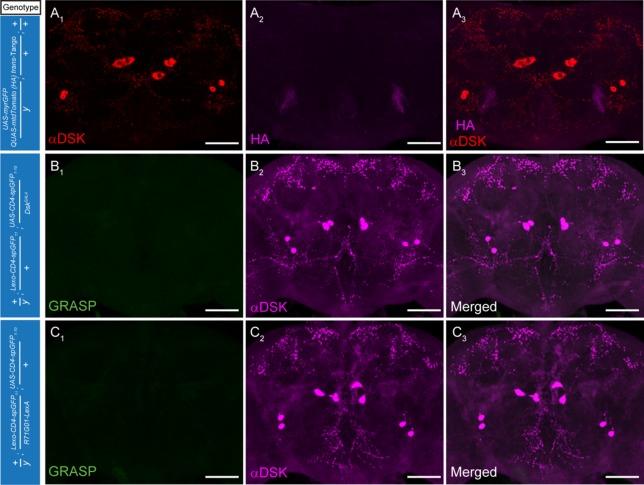
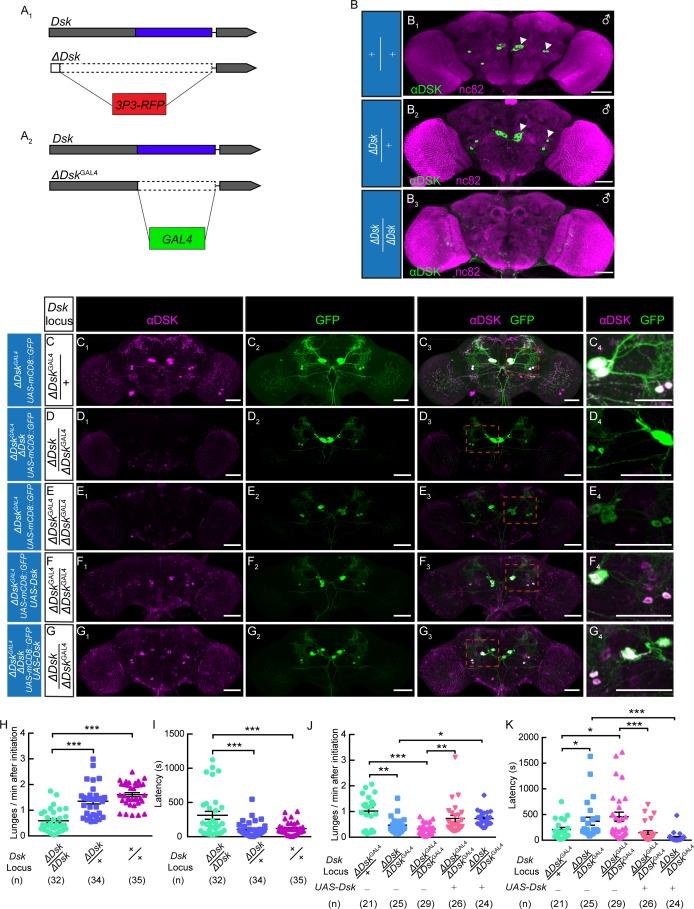
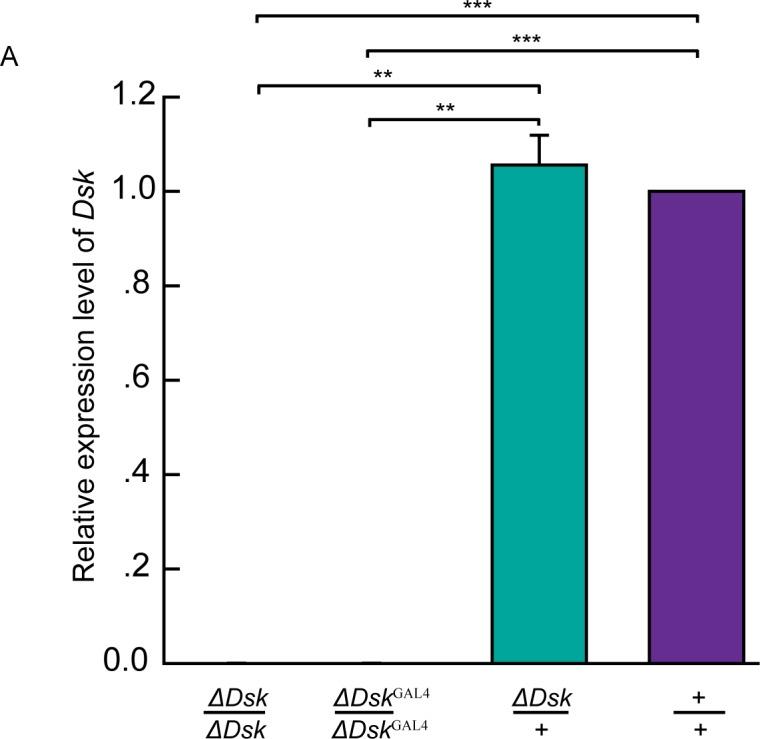
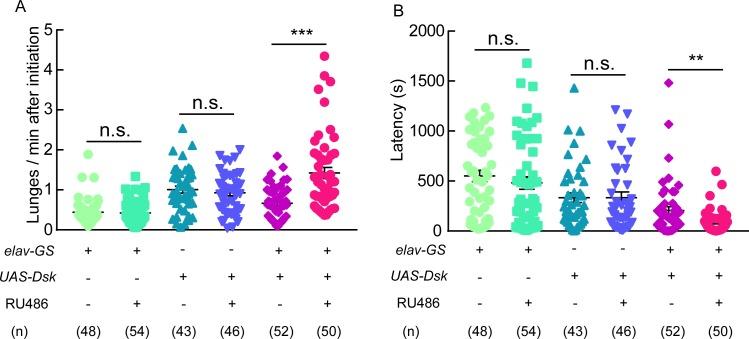
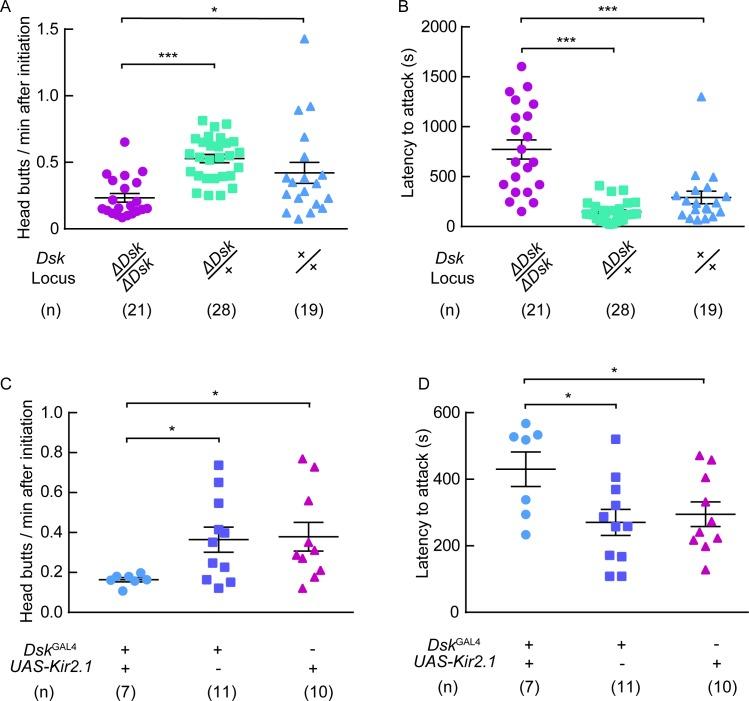
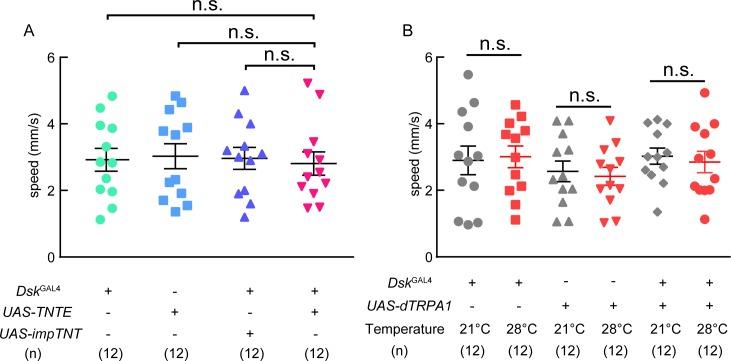
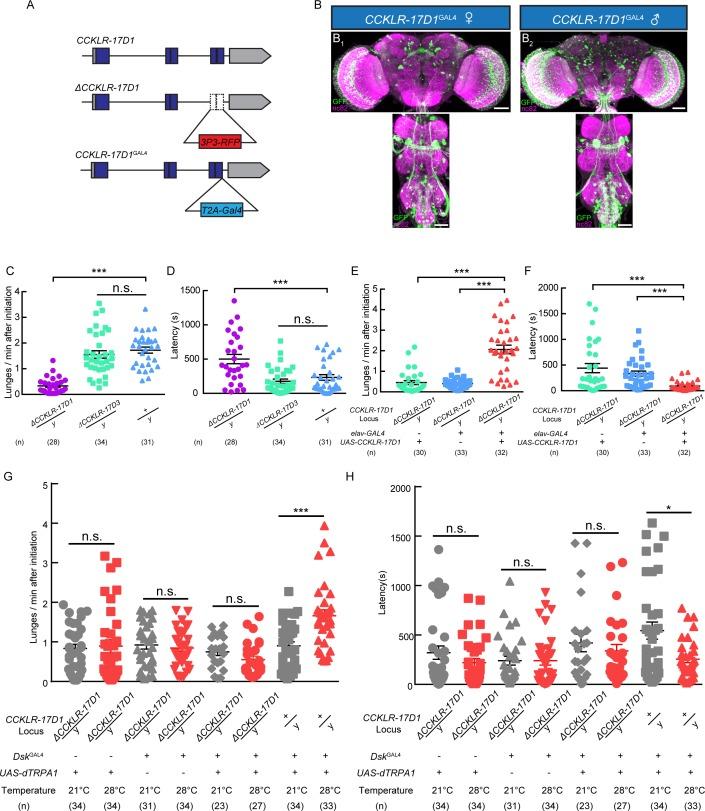
Aggressive behavior is regulated by various neuromodulators such as neuropeptides and biogenic amines. Here we found that the neuropeptide ) modulates aggression in . Knock-out of or receptor reduced aggression. Activation and inactivation of Dsk-expressing neurons increased and decreased male aggressive behavior, respectively. Moreover, data from transsynaptic tracing, electrophysiology and behavioral epistasis reveal that Dsk-expressing neurons function downstream of a subset of P1 neurons () to control fighting behavior. In addition, winners show increased calcium activity in Dsk-expressing neurons. Conditional overexpression of Dsk promotes social dominance, suggesting a positive correlation between Dsk signaling and winning effects. The mammalian ortholog CCK has been implicated in mammal aggression, thus our work suggests a conserved neuromodulatory system for the modulation of aggressive behavior.
攻击性由多种神经调质如神经肽和生物胺调节。在这里,我们发现神经肽 Y 通过调节 果蝇的攻击性。Y 的敲除或 Y 受体的失活减少了攻击性。激活和失活表达 Dsk 的神经元分别增加和减少了雄性的攻击行为。此外,转导示踪、电生理学和行为上位性的数据揭示表达 Dsk 的神经元在一个亚群 P1 神经元 () 的下游发挥作用以控制战斗行为。此外,胜利者表现出表达 Dsk 的神经元中钙活性增加。条件性过表达 Dsk 促进社会优势,表明 Dsk 信号与获胜效应之间存在正相关。哺乳动物同源物 CCK 已被牵连到哺乳动物的攻击行为中,因此我们的工作表明了一个保守的神经调质系统来调节攻击行为。








 Zotero 插件