
硫酸吲哚酚处理的内皮细胞产生的微泡可诱导血管钙化。
Microvesicles from indoxyl sulfate-treated endothelial cells induce vascular calcification .
作者信息
Alique Matilde, Bodega Guillermo, Corchete Elena, García-Menéndez Estefanya, de Sequera Patricia, Luque Rafael, Rodríguez-Padrón Daily, Marqués María, Portolés José, Carracedo Julia, Ramírez Rafael
机构信息
Departamento de Biología de Sistemas, Universidad de Alcalá (IRYCIS), Alcalá de Henares, Madrid, Spain.
Departamento de Biomedicina y Biotecnología, Universidad de Alcalá, Alcalá de Henares, Madrid, Spain.
出版信息
Comput Struct Biotechnol J. 2020 Apr 9;18:953-966. doi: 10.1016/j.csbj.2020.04.006. eCollection 2020.
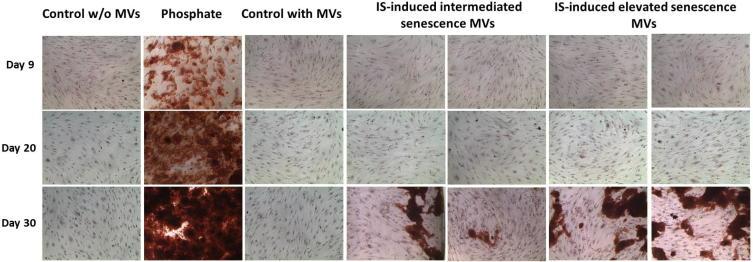
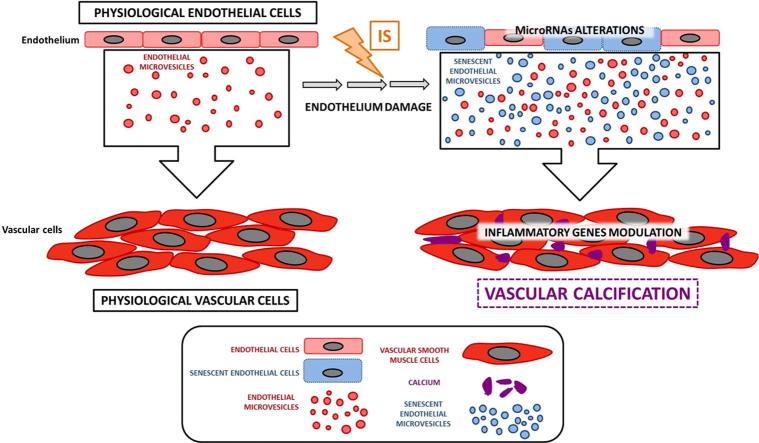
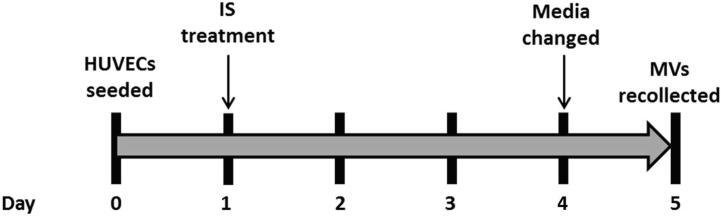
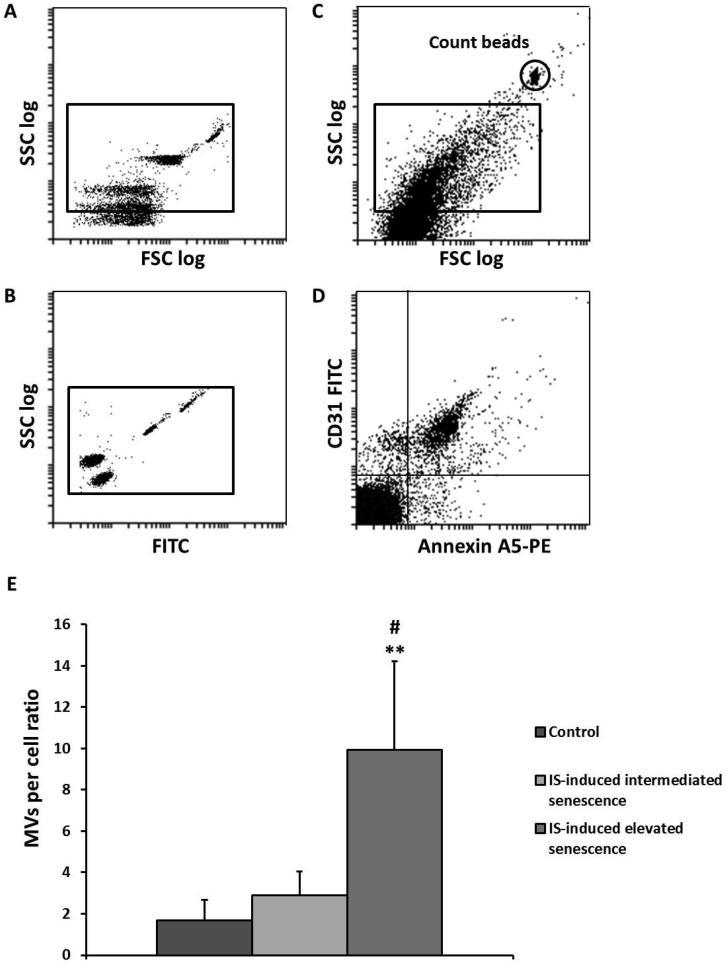
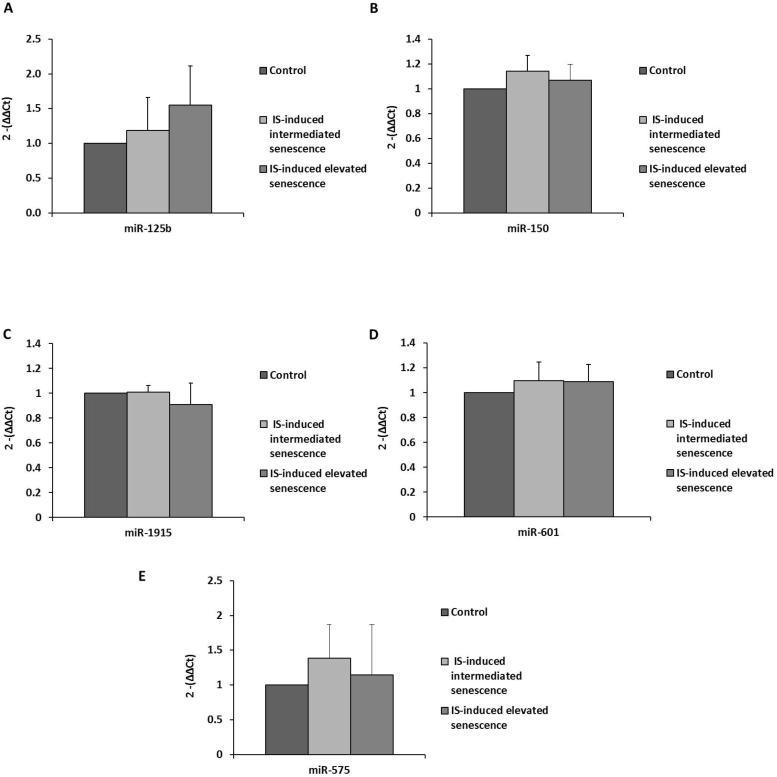
Vascular calcification (VC), an unpredictable pathophysiological process and critical event in patients with cardiovascular diseases (CVDs), is the leading cause of morbi-mortality and disability in chronic kidney disease (CKD) patients worldwide. Currently, no diagnostic method is available for identifying patients at risk of VC development; the pathology is detected when the process is irreversible. Extracellular vesicles (EVs) from endothelial cells might promote VC. Therefore, their evaluation and characterization could be useful for designing new diagnostic tools. The aim of the present study is to investigate whether microvesicles (MVs) from endothelial cells damaged by uremic toxin and indoxyl sulfate (IS) could induce calcification in human vascular smooth muscle cells (VMSCs). Besides, we have also analyzed the molecular mechanisms by which these endothelial MVs can promote VC development. Endothelial damage has been evaluated according to the percentage of senescence in endothelial cells, differential microRNAs in endothelial cells, and the amount of MVs released per cell. To identify the role of MVs in VC, VSMCs were treated with MVs from IS-treated endothelial cells. Calcium, inflammatory gene expression, and procalcification mediator levels in VSMCs were determined. IS-treated endothelial cells underwent senescence and exhibited modulated microRNA expression and an increase in the release of MVs. VSMCs exposed to these MVs modulated the expression of pro-inflammatory genes and some mediators involved in calcification progression. MVs produced by IS-treated endothelial cells promoted calcification in VSMCs.
血管钙化(VC)是心血管疾病(CVD)患者中不可预测的病理生理过程和关键事件,是全球慢性肾脏病(CKD)患者发病和死亡及致残的主要原因。目前,尚无诊断方法可用于识别有VC发生风险的患者;该病理过程在不可逆时才能被检测到。内皮细胞释放的细胞外囊泡(EV)可能会促进VC。因此,对其进行评估和表征可能有助于设计新的诊断工具。本研究的目的是调查尿毒症毒素和硫酸吲哚酚(IS)损伤的内皮细胞产生的微囊泡(MV)是否能诱导人血管平滑肌细胞(VSMC)钙化。此外,我们还分析了这些内皮MV促进VC发展的分子机制。根据内皮细胞衰老百分比、内皮细胞中差异表达的微小RNA以及每个细胞释放的MV数量来评估内皮损伤。为了确定MV在VC中的作用,用IS处理的内皮细胞产生的MV处理VSMC。测定VSMC中的钙、炎症基因表达和促钙化介质水平。IS处理的内皮细胞发生衰老,表现出微小RNA表达的改变以及MV释放增加。暴露于这些MV的VSMC调节了促炎基因和一些参与钙化进展的介质的表达。IS处理的内皮细胞产生的MV促进了VSMC的钙化。





 Zotero 插件