
通过大规模化合物重新利用发现抗 SARS-CoV-2 病毒药物。
Discovery of SARS-CoV-2 antiviral drugs through large-scale compound repurposing.
机构信息
Immunity and Pathogenesis Program, Infectious and Inflammatory Disease Center, Sanford Burnham Prebys Medical Discovery Institute, La Jolla, CA, USA.
State Key Laboratory of Emerging Infectious Diseases, Li Ka Shing Faculty of Medicine, The University of Hong Kong, Hong Kong Special Administrative Region, Hong Kong, China.
出版信息
Nature. 2020 Oct;586(7827):113-119. doi: 10.1038/s41586-020-2577-1. Epub 2020 Jul 24.
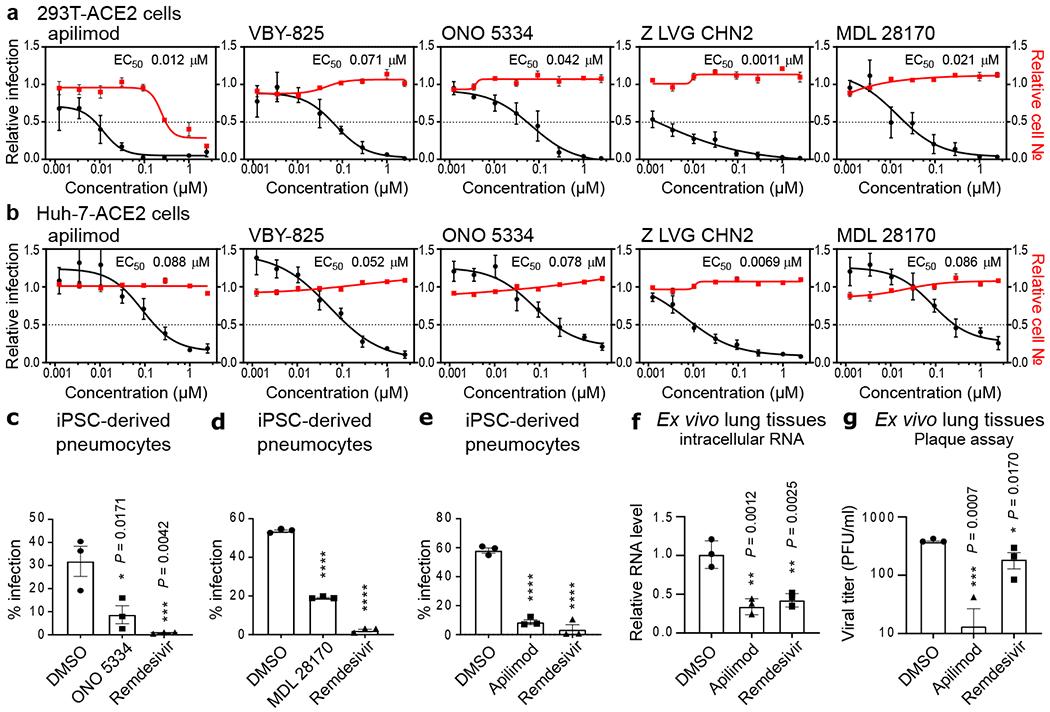
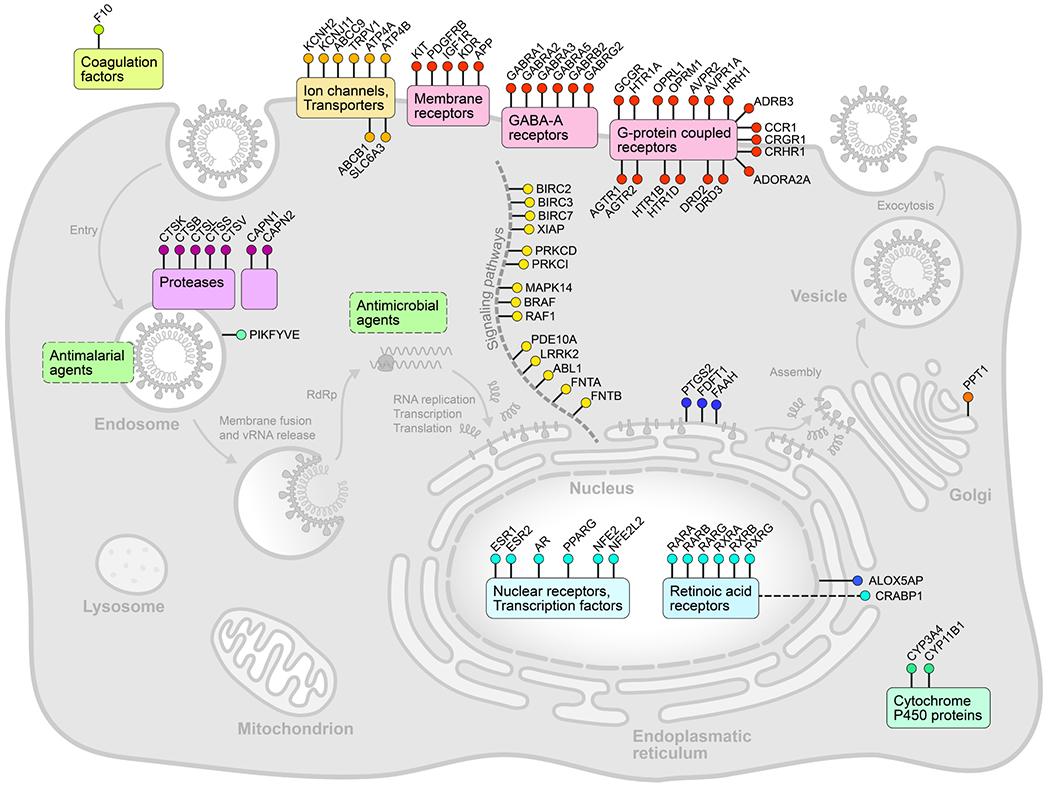
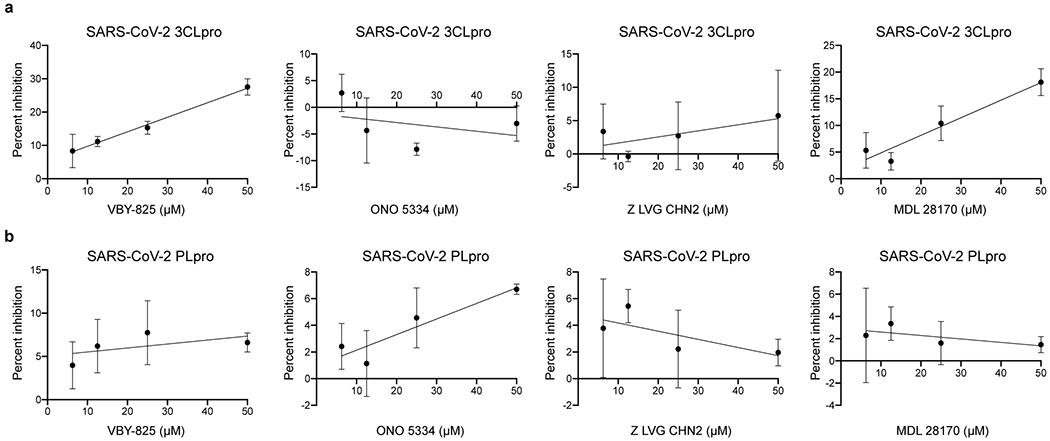
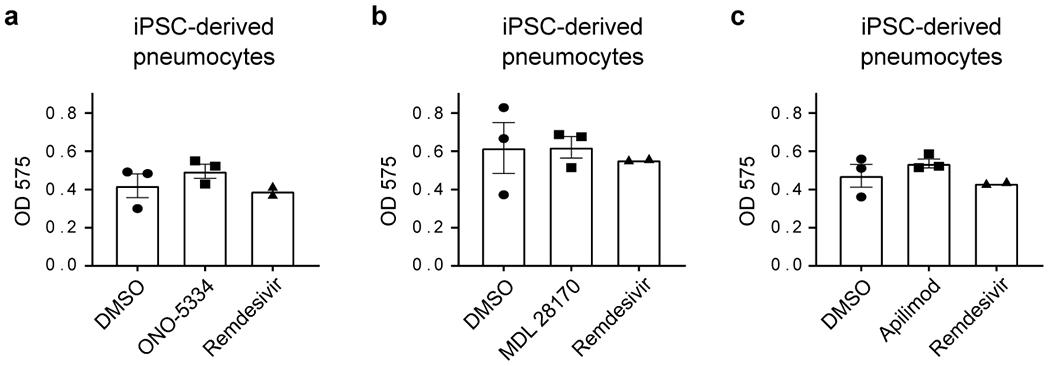
The emergence of severe acute respiratory syndrome coronavirus 2 (SARS-CoV-2) in 2019 has triggered an ongoing global pandemic of the severe pneumonia-like disease coronavirus disease 2019 (COVID-19). The development of a vaccine is likely to take at least 12-18 months, and the typical timeline for approval of a new antiviral therapeutic agent can exceed 10 years. Thus, repurposing of known drugs could substantially accelerate the deployment of new therapies for COVID-19. Here we profiled a library of drugs encompassing approximately 12,000 clinical-stage or Food and Drug Administration (FDA)-approved small molecules to identify candidate therapeutic drugs for COVID-19. We report the identification of 100 molecules that inhibit viral replication of SARS-CoV-2, including 21 drugs that exhibit dose-response relationships. Of these, thirteen were found to harbour effective concentrations commensurate with probable achievable therapeutic doses in patients, including the PIKfyve kinase inhibitor apilimod and the cysteine protease inhibitors MDL-28170, Z LVG CHN2, VBY-825 and ONO 5334. Notably, MDL-28170, ONO 5334 and apilimod were found to antagonize viral replication in human pneumocyte-like cells derived from induced pluripotent stem cells, and apilimod also demonstrated antiviral efficacy in a primary human lung explant model. Since most of the molecules identified in this study have already advanced into the clinic, their known pharmacological and human safety profiles will enable accelerated preclinical and clinical evaluation of these drugs for the treatment of COVID-19.
2019 年严重急性呼吸综合征冠状病毒 2 (SARS-CoV-2)的出现引发了持续的全球严重肺炎样疾病 2019 年冠状病毒病(COVID-19)大流行。疫苗的开发可能需要至少 12-18 个月,而新抗病毒治疗剂的典型批准时间可能超过 10 年。因此,重新利用已知药物可以大大加快 COVID-19 新疗法的部署。在这里,我们对包含大约 12000 种临床阶段或美国食品和药物管理局(FDA)批准的小分子药物的药物库进行了分析,以确定 COVID-19 的候选治疗药物。我们报告了鉴定出 100 种抑制 SARS-CoV-2 病毒复制的分子,其中包括 21 种具有剂量反应关系的药物。在这些药物中,发现 13 种药物的有效浓度与患者中可能达到的治疗剂量相当,其中包括 PIKfyve 激酶抑制剂阿利莫德(apilimod)和半胱氨酸蛋白酶抑制剂 MDL-28170、Z LVG CHN2、VBY-825 和 ONO 5334。值得注意的是,MDL-28170、ONO 5334 和阿利莫德被发现可拮抗人诱导多能干细胞衍生的肺细胞样细胞中的病毒复制,阿利莫德还在原代人肺外植体模型中显示出抗病毒功效。由于本研究中鉴定的大多数分子已经进入临床阶段,因此它们已知的药理学和人体安全性概况将使这些药物用于治疗 COVID-19 的临床前和临床评估得以加速。








 Zotero 插件