
新型冠状病毒肺炎对神经系统的影响。
Effects of COVID-19 on the Nervous System.
机构信息
Feil Family Brain and Mind Research Institute, Clinical Translational Neuroscience Unit, Weill Cornell Medicine, New York, NY 10021, USA.
Feil Family Brain and Mind Research Institute, Clinical Translational Neuroscience Unit, Weill Cornell Medicine, New York, NY 10021, USA.
出版信息
Cell. 2020 Oct 1;183(1):16-27.e1. doi: 10.1016/j.cell.2020.08.028. Epub 2020 Aug 19.
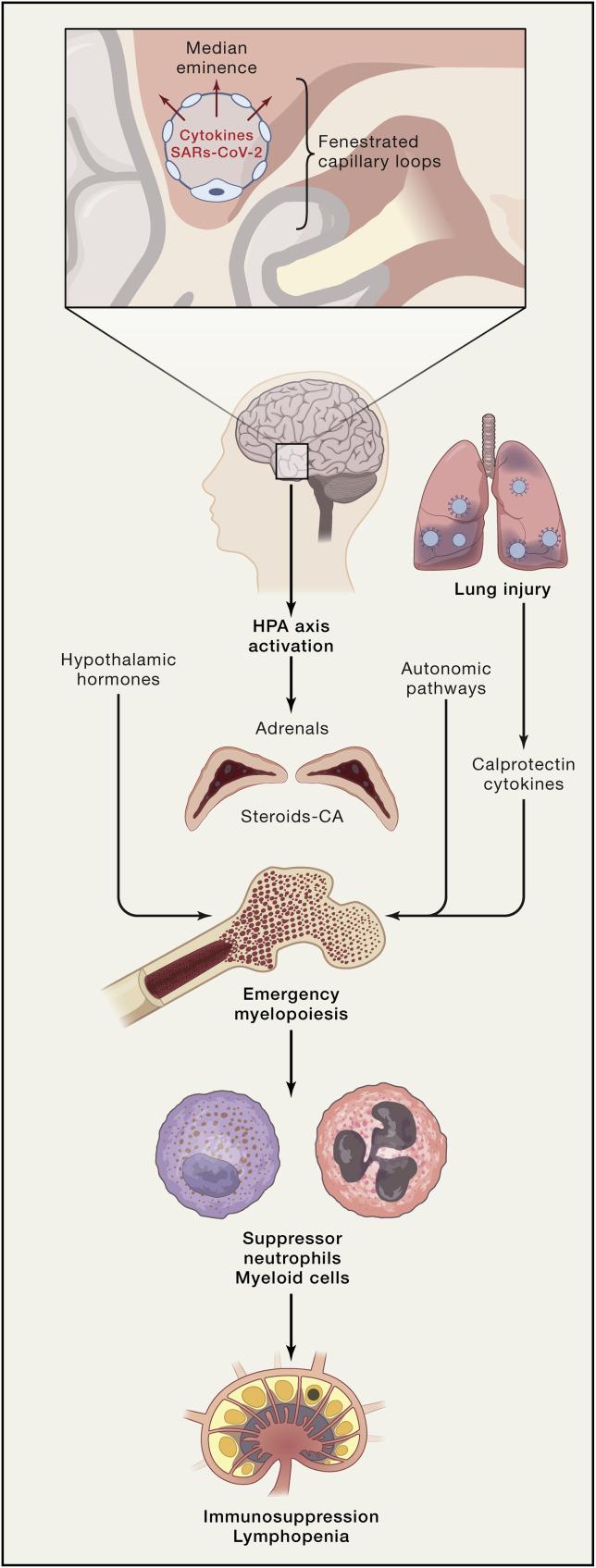
Neurological complications have emerged as a significant cause of morbidity and mortality in the ongoing COVID-19 pandemic. Beside respiratory insufficiency, many hospitalized patients exhibit neurological manifestations ranging from headache and loss of smell, to confusion and disabling strokes. COVID-19 is also anticipated to take a toll on the nervous system in the long term. Here, we will provide a critical appraisal of the potential for neurotropism and mechanisms of neuropathogenesis of SARS-CoV-2 as they relate to the acute and chronic neurological consequences of the infection. Finally, we will examine potential avenues for future research and therapeutic development.
在持续的 COVID-19 大流行中,神经系统并发症已成为发病率和死亡率的重要原因。除呼吸功能不全外,许多住院患者还表现出从头痛和嗅觉丧失到意识障碍和致残性中风等各种神经系统表现。预计 COVID-19 还会对神经系统造成长期影响。在这里,我们将批判性地评估 SARS-CoV-2 的神经嗜性潜力和神经发病机制,以及它们与感染的急性和慢性神经系统后果的关系。最后,我们将研究未来研究和治疗开发的潜在途径。


 Zotero 插件