
黄瓜基因组中 WRKY 基因家族的全基因组分析和对生物和非生物胁迫有响应的 WRKY 转录因子的全转录组鉴定。
Genome-wide analysis of the WRKY gene family in the cucumber genome and transcriptome-wide identification of WRKY transcription factors that respond to biotic and abiotic stresses.
机构信息
State Key Laboratory of Crop Biology, Shandong Collaborative Innovation Center of Fruit & Vegetable Quality and Efficient Production, Tai'an, People's Republic of China.
Key Laboratory of Biology and Genetic Improvement of Horticultural Crops in Huang-Huai Region, Ministry of Agriculture, College of Horticulture Science and Engineering, Shandong Agricultural University, Tai'an, Shandong, 271018, People's Republic of China.
出版信息
BMC Plant Biol. 2020 Sep 25;20(1):443. doi: 10.1186/s12870-020-02625-8.
BACKGROUND
Cucumber (Cucumis sativus L.) is an economically important vegetable crop species. However, it is susceptible to various abiotic and biotic stresses. WRKY transcription factors play important roles in plant growth and development, particularly in the plant response to biotic and abiotic stresses. However, little is known about the expression pattern of WRKY genes under different stresses in cucumber.
RESULTS
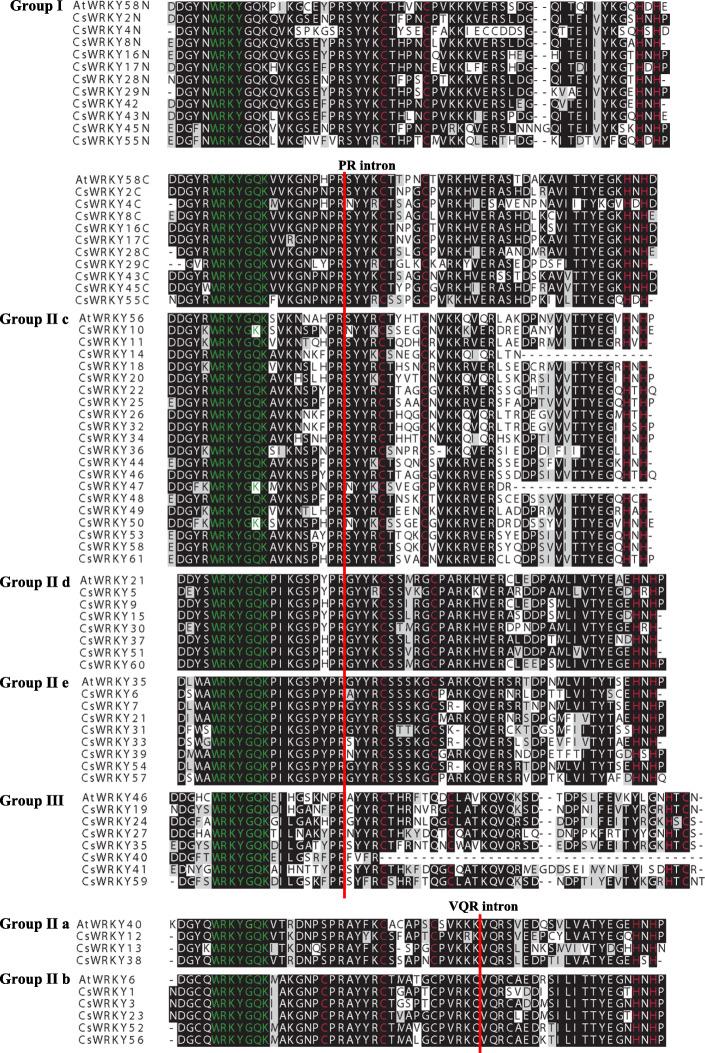
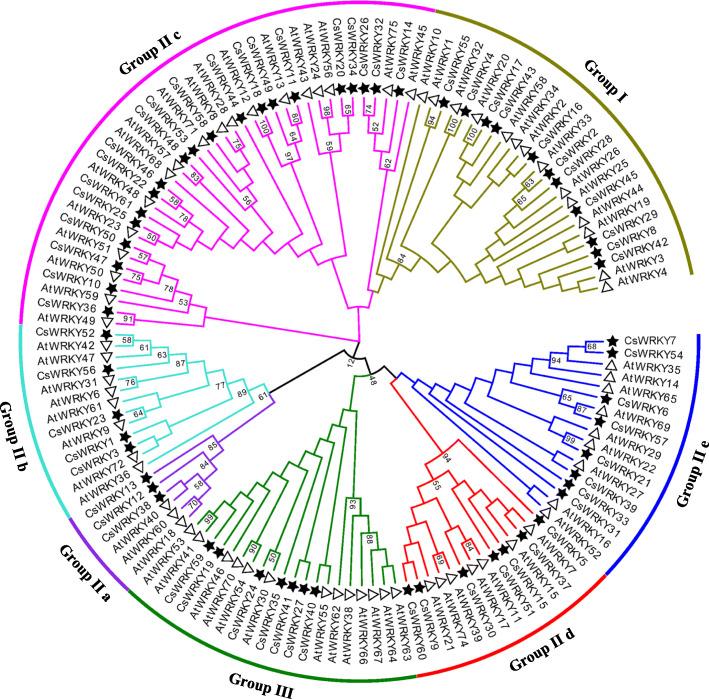
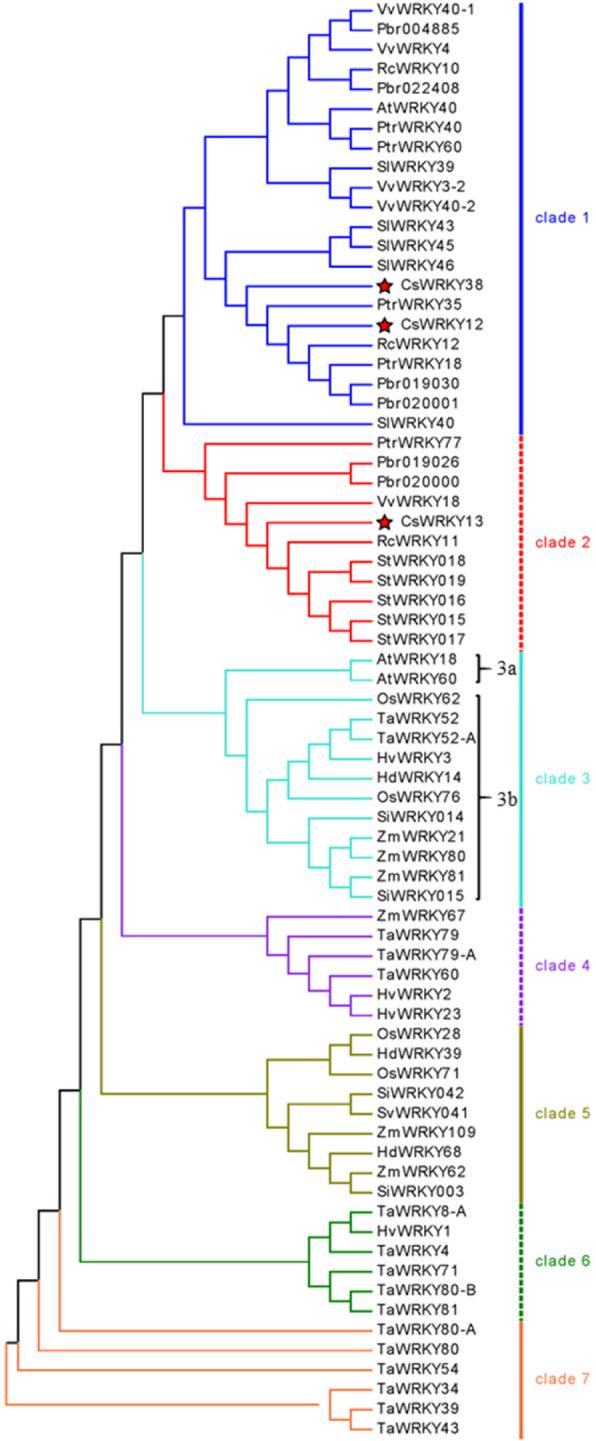
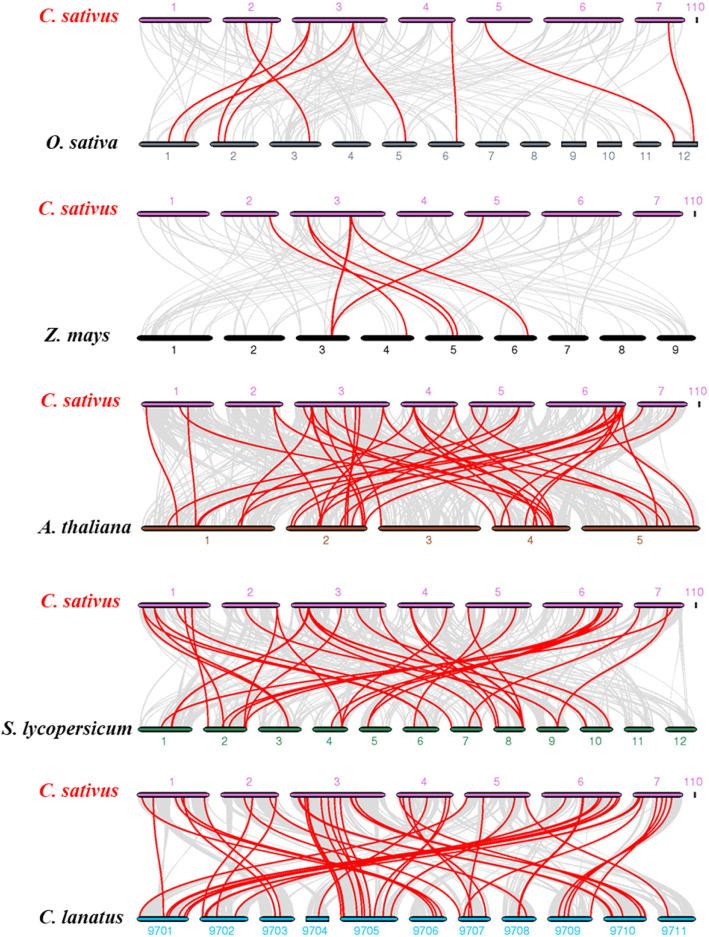
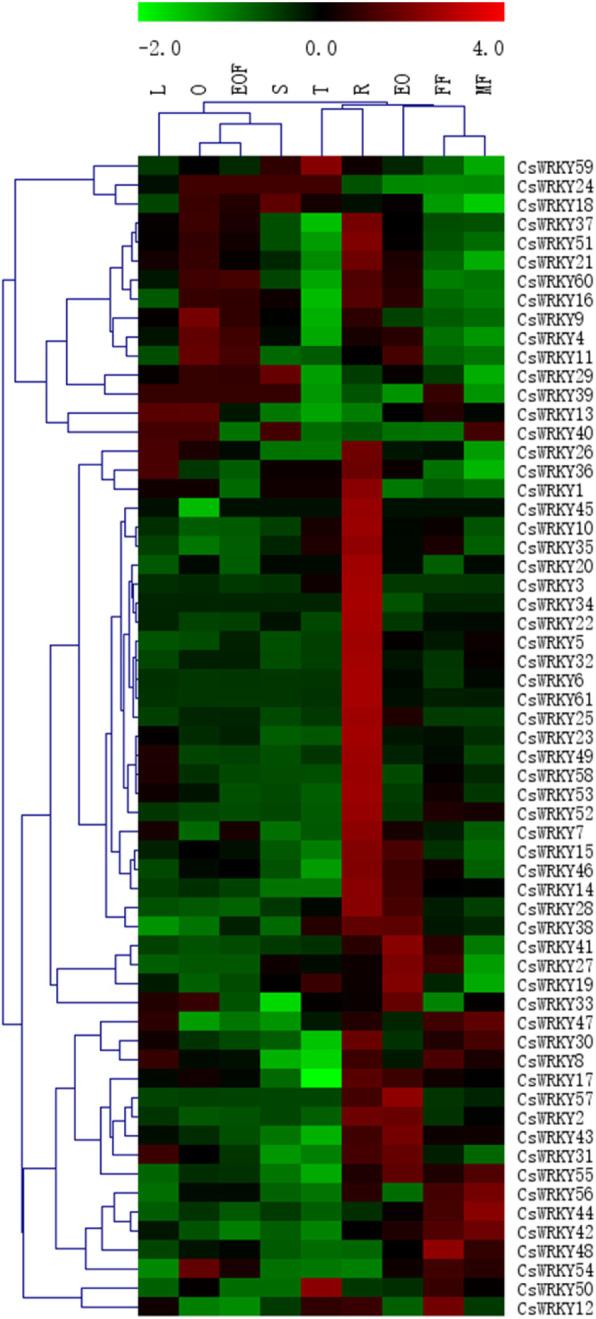
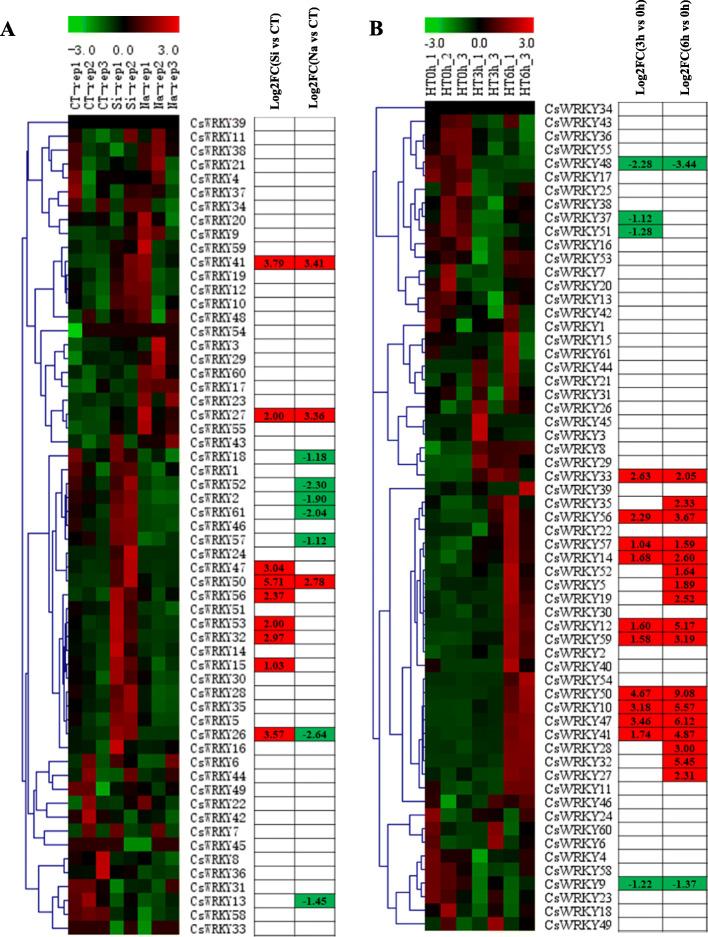
In the present study, an analysis of the new assembly of the cucumber genome (v3.0) allowed the identification of 61 cucumber WRKY genes. Phylogenetic and synteny analyses were performed using related species to investigate the evolution of the cucumber WRKY genes. The 61 CsWRKYs were classified into three main groups, within which the gene structure and motif compositions were conserved. Tissue expression profiles of the WRKY genes demonstrated that 24 CsWRKY genes showed constitutive expression (FPKM > 1 in all samples), and some WRKY genes showed organ-specific expression, suggesting that these WRKYs might be important for plant growth and organ development in cucumber. Importantly, analysis of the CsWRKY gene expression patterns revealed that five CsWRKY genes strongly responded to both salt and heat stresses, 12 genes were observed to be expressed in response to infection from downy mildew and powdery mildew, and three CsWRKY genes simultaneously responded to all treatments analysed. Some CsWRKY genes were observed to be induced/repressed at different times after abiotic or biotic stress treatment, demonstrating that cucumber WRKY genes might play different roles during different stress responses and that their expression patterns vary in response to stresses.
CONCLUSIONS
Sixty-one WRKY genes were identified in cucumber, and insight into their classification, evolution, and expression patterns was gained in this study. Responses to different abiotic and biotic stresses in cucumber were also investigated. Our results provide a better understanding of the function of CsWRKY genes in improving abiotic and biotic stress resistance in cucumber.
背景
黄瓜(Cucumis sativus L.)是一种经济上重要的蔬菜作物。然而,它易受各种非生物和生物胁迫的影响。WRKY 转录因子在植物生长和发育中发挥重要作用,特别是在植物对生物和非生物胁迫的反应中。然而,关于黄瓜在不同胁迫下 WRKY 基因的表达模式知之甚少。
结果
本研究通过对黄瓜新基因组组装(v3.0)的分析,鉴定出了 61 个黄瓜 WRKY 基因。利用相关物种进行系统发育和共线性分析,研究了黄瓜 WRKY 基因的进化。这 61 个 CsWRKY 基因被分为三个主要组,其中基因结构和基序组成是保守的。WRKY 基因的组织表达谱表明,24 个 CsWRKY 基因表现出组成型表达(所有样本中 FPKM>1),一些 WRKY 基因表现出器官特异性表达,表明这些 WRKY 基因可能对黄瓜的生长和器官发育很重要。重要的是,对 CsWRKY 基因表达模式的分析表明,有 5 个 CsWRKY 基因对盐和热胁迫强烈响应,有 12 个基因对霜霉病和白粉病的感染有表达,有 3 个 CsWRKY 基因同时对所有分析的处理有响应。一些 CsWRKY 基因在非生物或生物胁迫处理后不同时间被诱导/抑制,表明黄瓜 WRKY 基因在不同胁迫反应中可能发挥不同的作用,其表达模式因胁迫而异。
结论
本研究在黄瓜中鉴定出了 61 个 WRKY 基因,获得了它们的分类、进化和表达模式的深入了解。还研究了黄瓜对不同非生物和生物胁迫的反应。我们的研究结果为了解 CsWRKY 基因在提高黄瓜的抗非生物和生物胁迫能力方面的功能提供了更好的认识。



 Zotero 插件