
结构脑关联与炎症的血清和表观遗传标志物在重度抑郁症中的关系。
Structural brain correlates of serum and epigenetic markers of inflammation in major depressive disorder.
机构信息
Division of Psychiatry, University of Edinburgh, Edinburgh, UK.
Division of Psychiatry, University of Edinburgh, Edinburgh, UK.
出版信息
Brain Behav Immun. 2021 Feb;92:39-48. doi: 10.1016/j.bbi.2020.11.024. Epub 2020 Nov 19.
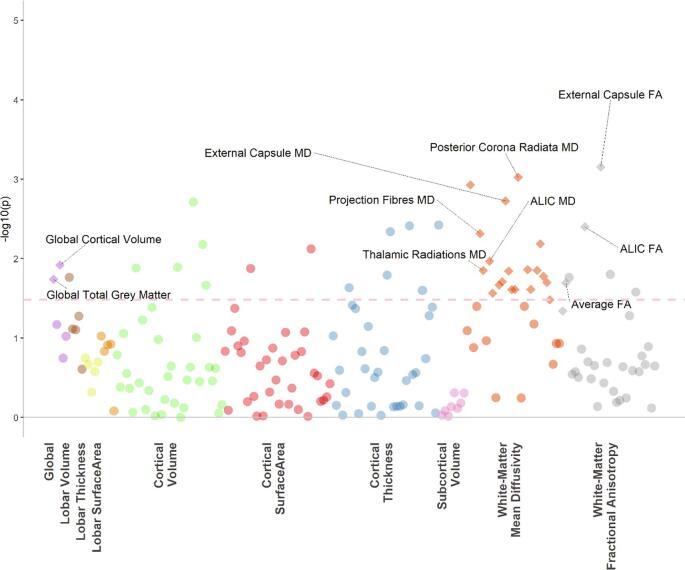
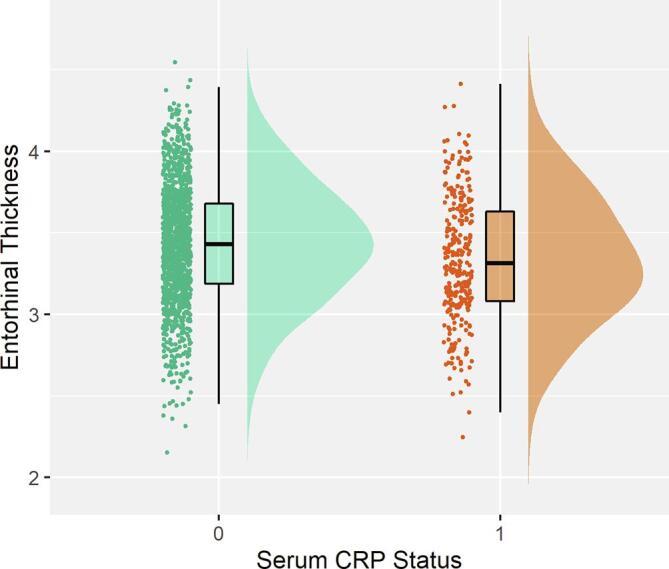
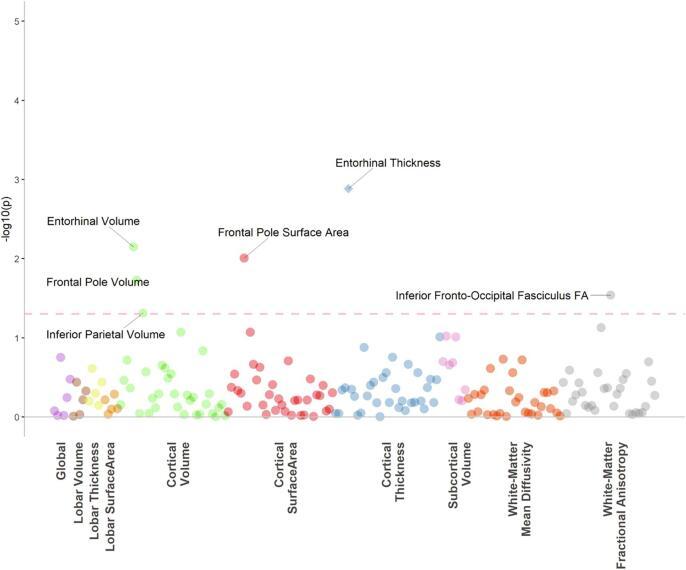
Inflammatory processes are implicated in the aetiology of Major Depressive Disorder (MDD); however, the relationship between peripheral inflammation, brain structure and depression remains unclear, partly due to complexities around the use of acute/phasic inflammatory biomarkers. Here, we report the first large-scale study of both serological and methylomic signatures of CRP (considered to represent acute and chronic measures of inflammation respectively) and their associations with depression status/symptoms, and structural neuroimaging phenotypes (T1 and diffusion MRI) in a large community-based sample (Generation Scotland; N = 271, N = 609). Serum CRP was associated with overall MDD severity, and specifically with current somatic symptoms- general interest (β = 0.145, P = 6 × 10) and energy levels (β = 0.101, P = 0.027), along with reduced entorhinal cortex thickness (β = -0.095, P = 0.037). DNAm CRP was significantly associated with reduced global grey matter/cortical volume and widespread reductions in integrity of 16/24 white matter tracts (with greatest regional effects in the external and internal capsules, β= -0.12 to -0.14). In general, the methylation-based measures showed stronger associations with imaging metrics than serum-based CRP measures (βaverage = -0.15 versus βaverage = 0.01 respectively). These findings provide evidence for central effects of peripheral inflammation from both serological and epigenetic markers of inflammation, including in brain regions previously implicated in depression. This suggests that these imaging measures may be involved in the relationship between peripheral inflammation and somatic/depressive symptoms. Notably, greater effects on brain morphology were seen for methylation-based rather than serum-based measures of inflammation, indicating the importance of such measures for future studies.
炎症过程与重度抑郁症(MDD)的病因有关;然而,外周炎症、大脑结构和抑郁之间的关系仍不清楚,部分原因是急性/阶段性炎症生物标志物的使用存在复杂性。在这里,我们报告了首个大规模研究血清 CRP 的甲基化和蛋白组学特征(分别被认为代表急性和慢性炎症的衡量指标)及其与抑郁状态/症状以及结构神经影像学表型(T1 和弥散 MRI)的关联的研究,该研究基于一个大型的社区样本(苏格兰一代;N=271,N=609)。血清 CRP 与整体 MDD 严重程度相关,特别是与当前躯体症状-一般兴趣(β=0.145,P=6×10)和能量水平(β=0.101,P=0.027)相关,同时伴有海马旁回厚度减少(β=-0.095,P=0.037)。DNAm CRP 与整体灰质/皮质体积减少和 16/24 条白质束的完整性广泛减少显著相关(最大的区域效应位于外囊和内囊,β=-0.12 至-0.14)。一般来说,基于甲基化的测量指标与影像学测量指标的相关性比基于血清的 CRP 测量指标更强(β平均值=-0.15 与β平均值=0.01 分别)。这些发现为外周炎症的血清学和炎症的表观遗传标志物提供了中枢效应的证据,包括在以前与抑郁有关的大脑区域。这表明这些成像指标可能与外周炎症和躯体/抑郁症状之间的关系有关。值得注意的是,基于甲基化的炎症测量指标对大脑形态的影响大于基于血清的测量指标,这表明这些测量指标对未来的研究很重要。

 Zotero 插件