
新冠疫情口罩垃圾:海洋环境的新威胁。
The COVID-19 pandemic face mask waste: A blooming threat to the marine environment.
机构信息
Department of Marine Biotechnology, Academy of Maritime Education and Training [AMET] (Deemed to be University), Chennai 603112, Tamil Nadu, India.
Center of Excellence in Catalysis for Bioenergy and Renewable Chemicals (CBRC), Faculty of Science, Chulalongkorn University, Bangkok 10330, Thailand.
出版信息
Chemosphere. 2021 Jun;272:129601. doi: 10.1016/j.chemosphere.2021.129601. Epub 2021 Jan 9.
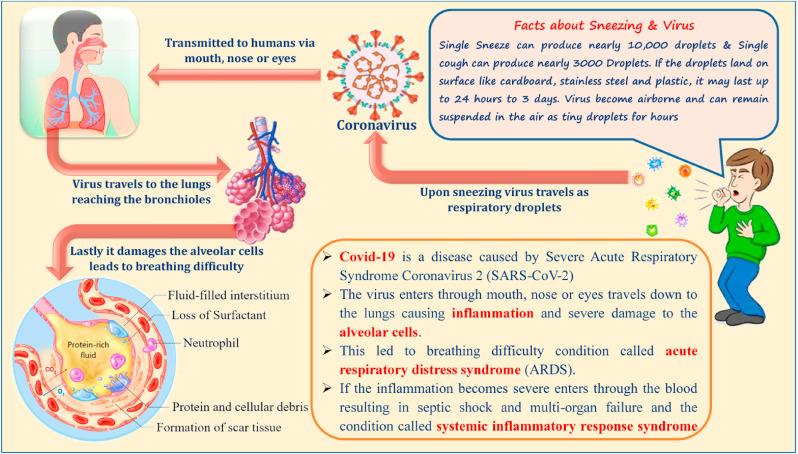
Recently, the COVID-19 disease spread has emerged as a worldwide pandemic and cause severe threats to humanity. The World Health Organisation (WHO) releases guidelines to help the countries to reduce the spread of this virus to the public, like wearing masks, hand hygiene, social distancing, shutting down all types of public transports, etc. These conditions led to a worldwide economic fall drastically, and on the other hand, indirect environmental benefits like global air quality improvement and decreased water pollution are also pictured. Currently, use of face masks is part of a comprehensive package of the prevention and control measures that can limit the spread of COVID-19 since there is no clinically proven drugs or vaccine available for COVID-19. Mostly, face masks are made of petroleum-based non-renewable polymers that are non-biodegradable, hazardous to the environment and create health issues. This study demonstrates the extensive use of the face mask and how it affects human health and the marine ecosystem. It has become a great challenge for the government sectors to impose strict regulations for the proper disposal of the masks as medical waste by the public. Neglecting the seriousness of this issue may lead to the release of large tonnes of micro-plastics to the landfill as well as to the marine environment where mostly end-up and thereby affecting their fauna and flora population vastly. Besides, this study highlights the COVID-19 spread, its evolutionary importance, taxonomy, genomic structure, transmission to humans, prevention, and treatment.
最近,COVID-19 疾病的传播已成为全球大流行,对人类造成严重威胁。世界卫生组织(WHO)发布了指导方针,以帮助各国减少这种病毒向公众的传播,如戴口罩、手部卫生、保持社交距离、关闭所有类型的公共交通工具等。这些情况导致全球经济急剧下滑,另一方面,也带来了间接的环境效益,如全球空气质量改善和水污染减少。目前,由于没有针对 COVID-19 的临床证明的药物或疫苗,使用口罩是预防和控制措施的综合措施之一,可以限制 COVID-19 的传播。口罩主要由石油基不可再生聚合物制成,不可生物降解,对环境有害,并造成健康问题。本研究展示了口罩的广泛使用及其如何影响人类健康和海洋生态系统。政府部门面临着一个巨大的挑战,就是要求公众将口罩作为医疗废物进行妥善处理。忽视这个问题的严重性可能会导致大量微塑料被释放到垃圾填埋场以及海洋环境中,从而对其动物群和植物群产生巨大影响。此外,本研究强调了 COVID-19 的传播、其进化意义、分类学、基因组结构、向人类传播、预防和治疗。




 Zotero 插件