
比较斯洛伐克马丁大学医院使用快速抗原和三种商业 RT-qPCR 检测 SARS-CoV-2 的效果。
Comparison of SARS-CoV-2 Detection by Rapid Antigen and by Three Commercial RT-qPCR Tests: A Study from Martin University Hospital in Slovakia.
机构信息
Biomedical Center Martin, Jessenius Faculty of Medicine in Martin, Comenius University in Bratislava, 036 01 Martin, Slovakia.
Department of Microbiology and Immunology, Jessenius Faculty of Medicine in Martin, Comenius University in Bratislava, 036 01 Martin, Slovakia.
出版信息
Int J Environ Res Public Health. 2021 Jul 1;18(13):7037. doi: 10.3390/ijerph18137037.
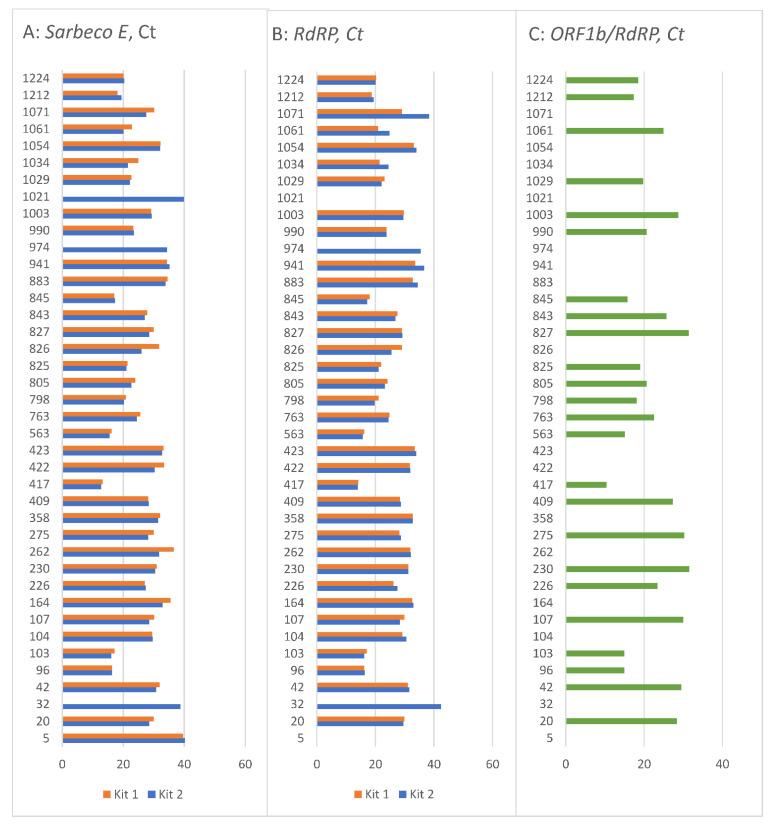
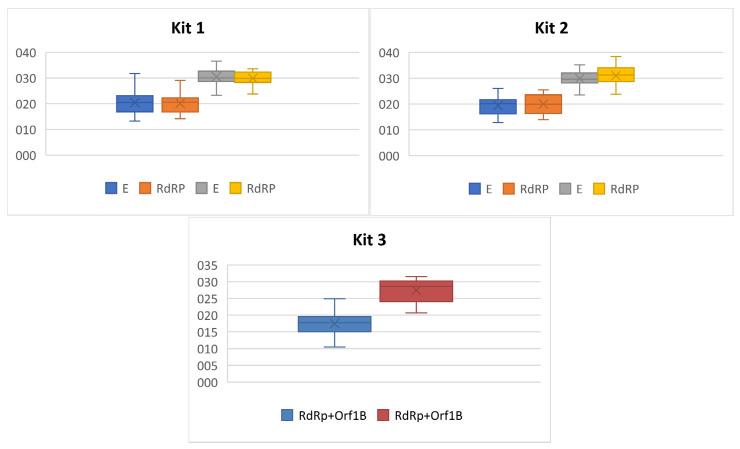
The global pandemic of coronavirus disease 2019 (COVID-19) caused by the severe acute respiratory syndrome coronavirus 2 (SARS-CoV-2) is having a tremendous impact on the global economy, health care systems and the lives of almost all people in the world. The Central European country of Slovakia reached one of the highest daily mortality rates per 100,000 inhabitants in the first 3 months of 2021, despite implementing strong prophylactic measures, lockdowns and repeated nationwide antigen testing. The present study reports a comparison of the performance of the Standard Q COVID-19 antigen test (SD Biosensor) with three commercial RT-qPCR kits (vDetect COVID-19-MultiplexDX, gb SARS-CoV-2 Multiplex-GENERI BIOTECH Ltd. and Genvinset COVID-19 [E]-BDR Diagnostics) in the detection of infected individuals among employees of the Martin University Hospital in Slovakia. Health care providers, such as doctors and nurses, are classified as "critical infrastructure", and there is no doubt about the huge impact that incorrect results could have on patients. Out of 1231 samples, 14 were evaluated as positive for SARS-CoV-2 antigen presence, and all of them were confirmed by RT-qPCR kit 1 and kit 2. As another 26 samples had a signal in the gene, these 40 samples were re-isolated and subsequently re-analysed using the three kits, which detected the virus in 22, 23 and 12 cases, respectively. The results point to a divergence not only between antigen and RT-qPCR tests, but also within the "gold standard" RT-qPCR testing. Performance analysis of the diagnostic antigen test showed the positive predictive value (PPV) to be 100% and negative predictive value (NPV) to be 98.10%, indicating that 1.90% of individuals with a negative result were, in fact, positive. If these data are extrapolated to the national level, where the mean daily number of antigen tests was 250,000 in April 2021, it points to over 4700 people per day being misinterpreted and posing a risk of virus shedding. While mean Ct values of the samples that were both antigen and RT-qPCR positive were about 20 (kit 1: 20.47 and 20.16 for and , kit 2: 19.37 and 19.99 for and and kit 3: 17.47 for /), mean Ct values of the samples that were antigen-negative but RT-qPCR-positive were about 30 (kit 1: 30.67 and 30.00 for and , kit 2: 29.86 and 31.01 for and and kit 3: 27.47 for /). It confirms the advantage of antigen test in detecting the most infectious individuals with a higher viral load. However, the reporting of Ct values is still a matter of ongoing debates and should not be conducted without normalisation to standardised controls of known concentration.
2019 年冠状病毒病(COVID-19)的全球大流行是由严重急性呼吸系统综合征冠状病毒 2(SARS-CoV-2)引起的,它对全球经济、医疗保健系统和世界上几乎所有人的生活都产生了巨大影响。尽管实施了强有力的预防措施、封锁和全国范围内的抗原检测,但中欧国家斯洛伐克在 2021 年的前 3 个月仍达到了每日每 10 万居民死亡率最高的国家之一。本研究报告了在斯洛伐克马丁大学医院的医护人员中,使用标准 Q COVID-19 抗原检测(SD Biosensor)与三种商业 RT-qPCR 试剂盒(vDetect COVID-19-MultiplexDX、gb SARS-CoV-2 Multiplex-GENERI BIOTECH Ltd. 和 Genvinset COVID-19 [E]-BDR Diagnostics)检测感染个体的性能比较。医护人员,如医生和护士,被归类为“关键基础设施”,毫无疑问,错误的结果会对患者产生巨大影响。在 1231 个样本中,有 14 个被评估为存在 SARS-CoV-2 抗原阳性,所有这些样本均通过 RT-qPCR 试剂盒 1 和试剂盒 2 得到证实。由于另外 26 个样本在基因有信号,这些 40 个样本被重新分离,随后使用三种试剂盒进行重新分析,结果分别在 22、23 和 12 例中检测到病毒。结果表明,不仅抗原和 RT-qPCR 检测之间存在差异,而且在“金标准” RT-qPCR 检测中也存在差异。诊断抗原检测的性能分析显示,阳性预测值(PPV)为 100%,阴性预测值(NPV)为 98.10%,这表明有 1.90%的阴性结果实际上为阳性。如果将这些数据推断到全国水平,2021 年 4 月,抗原检测的平均每日数量为 25 万,这意味着每天有超过 4700 人被错误解读,并存在病毒传播的风险。而同时抗原和 RT-qPCR 均为阳性的样本的平均 Ct 值约为 20(试剂盒 1: 和 ,分别为 20.47 和 20.16;试剂盒 2: 和 ,分别为 19.37 和 19.99;试剂盒 3:/,为 17.47),而抗原阴性但 RT-qPCR 阳性的样本的平均 Ct 值约为 30(试剂盒 1: 和 ,分别为 30.67 和 30.00;试剂盒 2: 和 ,分别为 29.86 和 31.01;试剂盒 3:/,为 27.47)。这证实了抗原检测在检测具有更高病毒载量的最具传染性个体方面的优势。然而,Ct 值的报告仍然是一个正在讨论的问题,在没有对已知浓度的标准化对照进行正常化的情况下,不应进行 Ct 值的报告。




 Zotero 插件