
摩洛哥阿加迪尔沿海地区与 COVID-19 大流行相关的个人防护设备 (PPE) 污染。
Personal protective equipment (PPE) pollution associated with the COVID-19 pandemic along the coastline of Agadir, Morocco.
机构信息
Laboratory of Aquatic Systems: Marine and Continental Environments, Faculty of Sciences, Ibn Zohr University, Morocco.
Universidad San Ignacio de Loyola, Av. La Fontana 501, Lima 12, Lima, Peru.
出版信息
Sci Total Environ. 2021 Dec 1;798:149282. doi: 10.1016/j.scitotenv.2021.149282. Epub 2021 Jul 27.
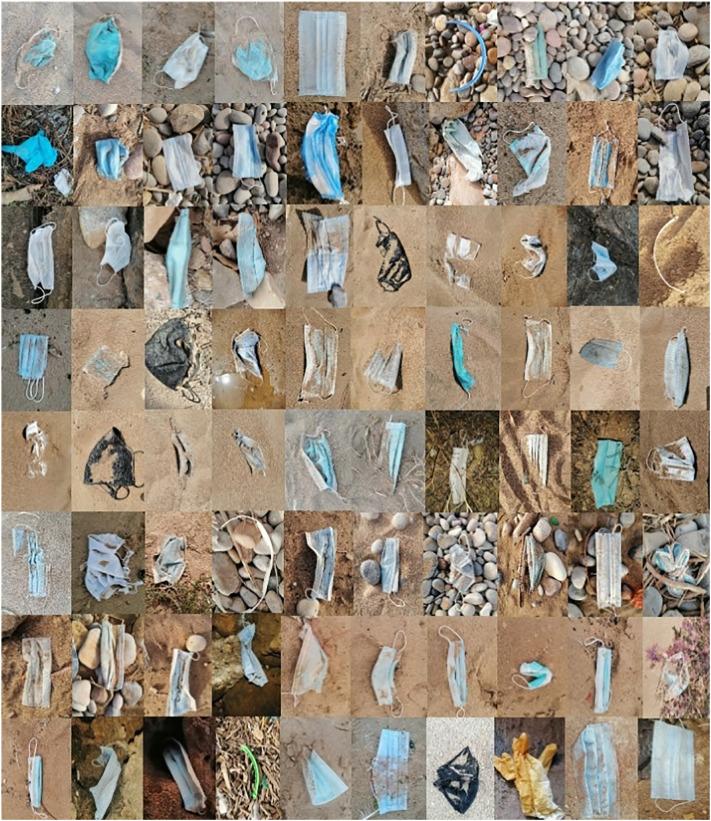
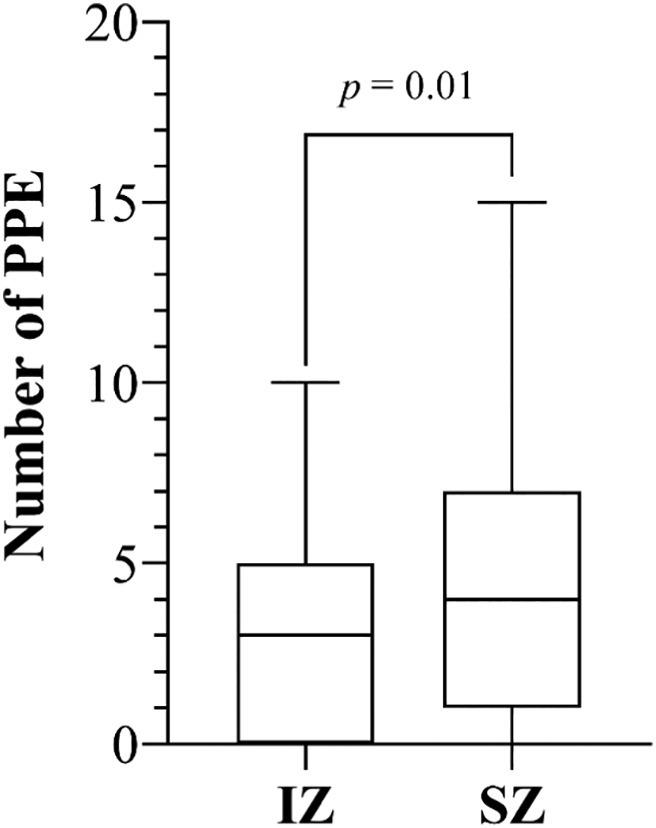
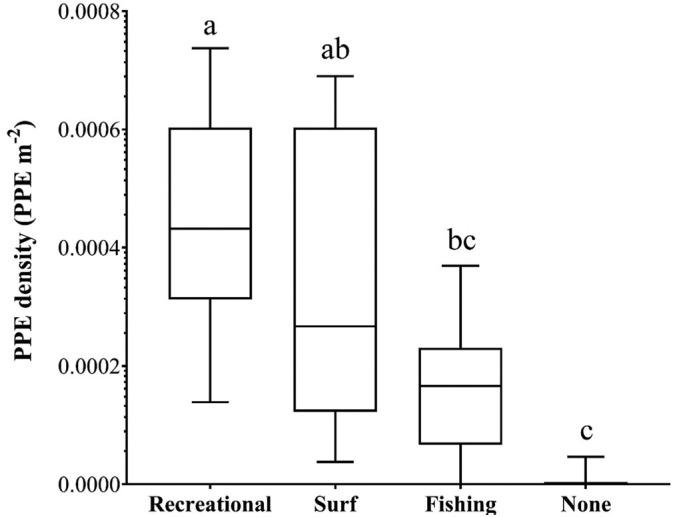
The increasing use of personal protective equipment (PPE) as a sanitary measure against the new coronavirus (SARS-CoV-2) has become a significant source of many environmental risks. The majority of the governments enforce the use of PPE in public areas, such as beaches. Thus, the use and disposal of PPE have compromised most solid waste management strategies, ultimately leading to the occurrence of PPE polluting the marine environment. The present study aimed to monitor the PPE pollution associated with COVID-19 along the coastline of Agadir, Morocco. In parallel, the influence of the activities carried out in each sampled beach before and after the lockdown break was reported. Overall, a total number of 689 PPE items were identified, with a mean density of 1.13 × 10 PPE m (0-1.21 × 10 PPE m). The majority of the PPE items found were face masks (96.81%), out of which 98.4% were surgical masks and 1.6% were reusable cloth masks. The most polluted sites were the beaches with recreational activities, followed by surfing, and fishing as the main activity. Importantly, PPE density increased significantly after lockdown measures. Additionally, the discarded PPE sampled in the supralittoral zone was higher than PPE recorded in the intertidal zone. This confirms that PPE items are driven by the beachgoers during their visit. PPE items are a source of microplastic and chemical pollutants, a substrate to invasive species colonization, and a potential threat of entanglement, ingestion, and/or infection among apex predators. In the specific case of Agadir beaches, significant efforts are required to work on the lack of environmental awareness and education. It is recommended to improve beach cleaning strategies and to penalize incorrect PPE disposal. Additional alternatives may be adopted, as the involvement of biodegradable materials in PPE manufacturing, recycling through pyrolysis, and encouraging reusable and washable masks.
个人防护设备(PPE)作为针对新型冠状病毒(SARS-CoV-2)的卫生措施的使用日益增加,已成为许多环境风险的重要来源。大多数政府在公共场所(如海滩)强制使用 PPE。因此,PPE 的使用和处置已影响了大多数固体废物管理策略,最终导致 PPE 污染海洋环境。本研究旨在监测摩洛哥阿加迪尔沿海地区与 COVID-19 相关的 PPE 污染。同时,报告了封锁解除前后每个采样海滩上开展的活动的影响。总体而言,共发现了 689 件 PPE 物品,平均密度为 1.13×10 PPE m(0-1.21×10 PPE m)。发现的 PPE 物品中大部分是口罩(96.81%),其中 98.4%是外科口罩,1.6%是可重复使用的布口罩。污染最严重的地点是有娱乐活动的海滩,其次是冲浪和钓鱼。重要的是,封锁措施实施后,PPE 密度显著增加。此外,在潮上带采样的废弃 PPE 高于潮间带记录的 PPE。这证实了 PPE 物品是海滩游客在访问期间携带的。PPE 物品是微塑料和化学污染物的来源,是入侵物种定植的基质,也是顶级捕食者缠结、摄入和/或感染的潜在威胁。就阿加迪尔海滩而言,需要做出重大努力来解决缺乏环境意识和教育的问题。建议改进海滩清洁策略,并对不正确的 PPE 处置进行处罚。可以采取其他替代方法,例如在 PPE 制造中采用可生物降解材料、通过热解进行回收,以及鼓励使用可重复使用和可清洗的口罩。




 Zotero 插件