
通过计算机模拟探索苯并咪唑优势骨架以开发类药物抗呼吸道合胞病毒剂
Probing In Silico the Benzimidazole Privileged Scaffold for the Development of Drug-like Anti-RSV Agents.
作者信息
Cichero Elena, Calautti Alessio, Francesconi Valeria, Tonelli Michele, Schenone Silvia, Fossa Paola
机构信息
Dipartimento di Farmacia, Università degli Studi di Genova, V.le Benedetto XV, 3, 16132 Genova, Italy.
出版信息
Pharmaceuticals (Basel). 2021 Dec 15;14(12):1307. doi: 10.3390/ph14121307.
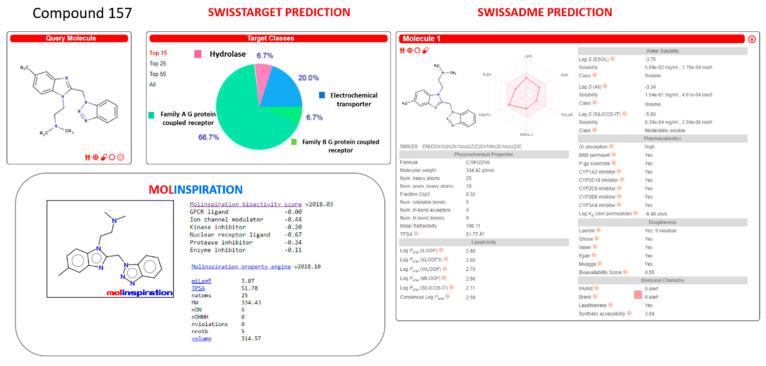
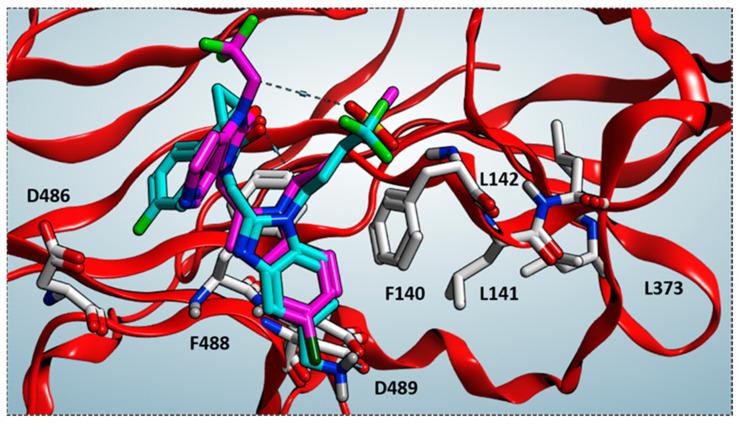
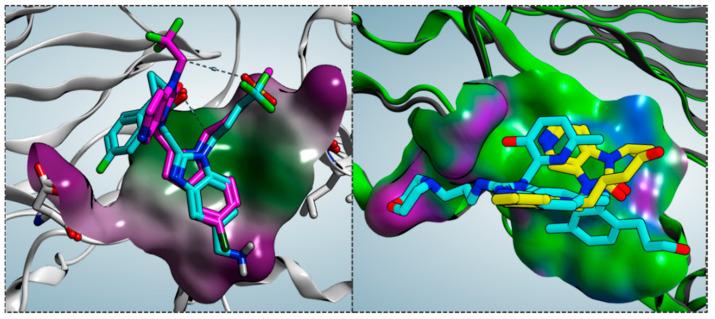
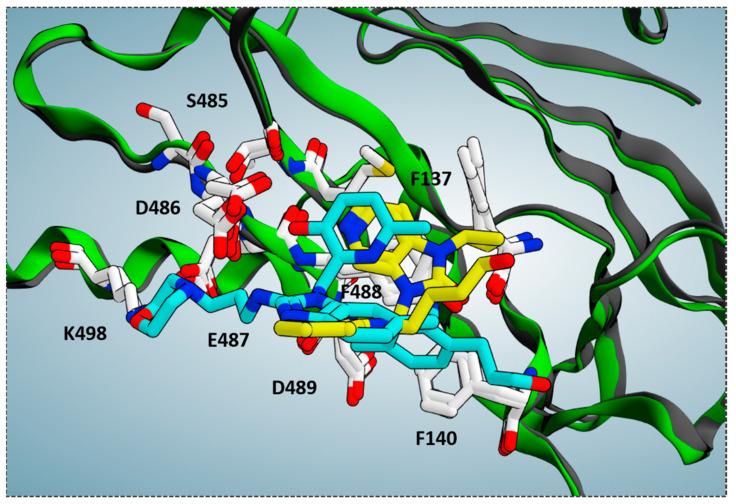
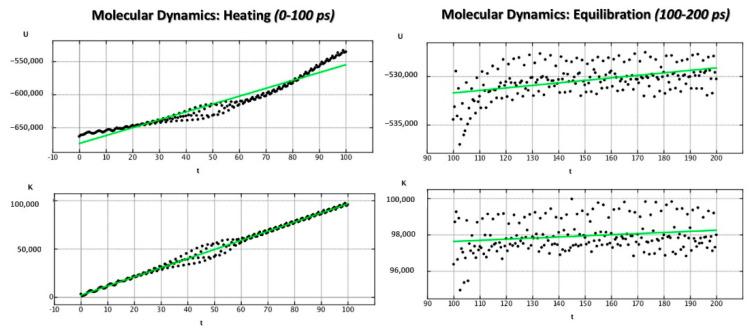
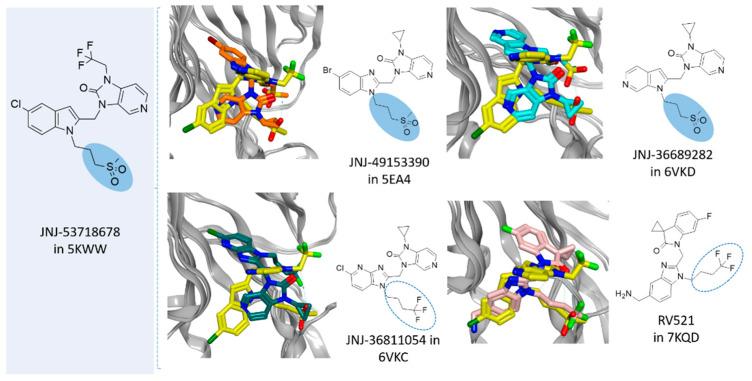
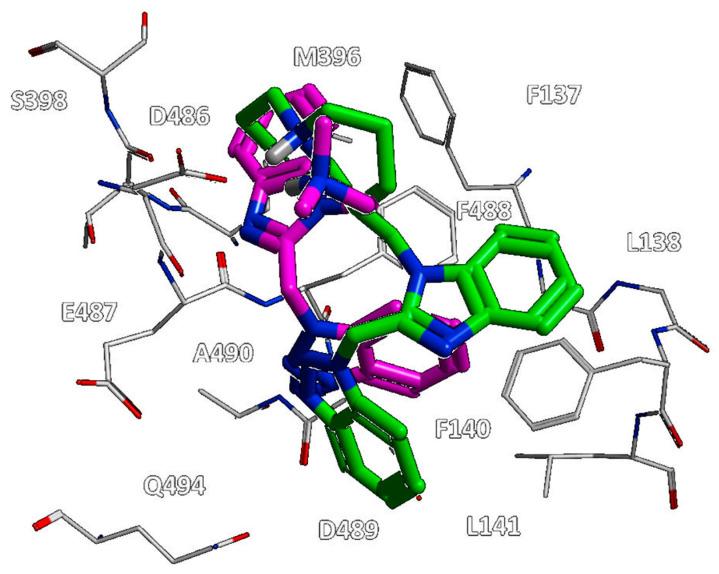
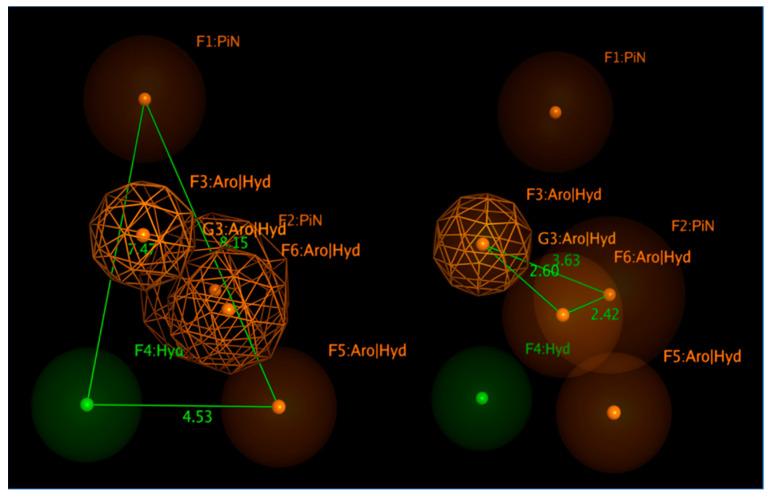
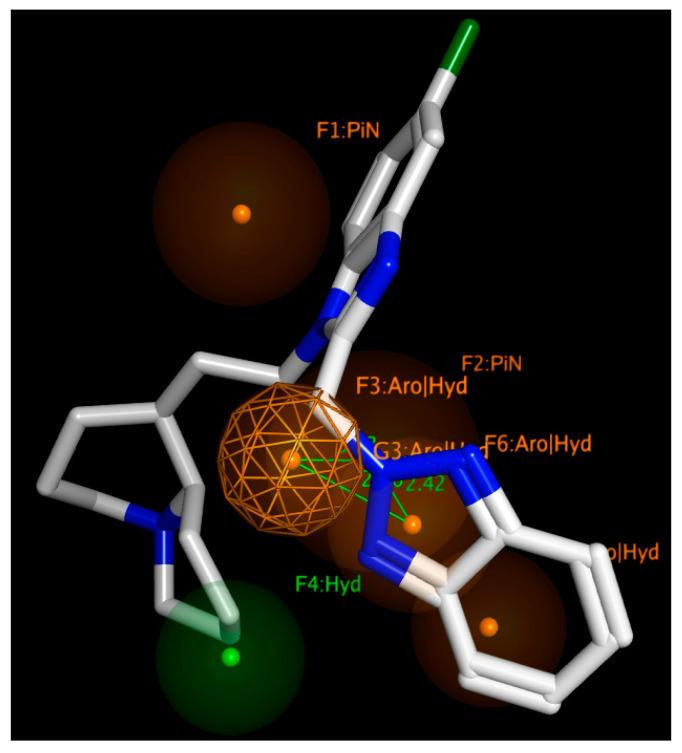
Targeting the fusion (F) protein has been recognized as a fruitful strategy for the development of anti-RSV agents. Despite the considerable efforts so far put into the development of RSV F protein inhibitors, the discovery of adequate therapeutics for the treatment of RSV infections is still awaiting a positive breakthrough. Several benzimidazole-containing derivatives have been discovered and evaluated in clinical trials, with only some of them being endowed with a promising pharmacokinetic profile. In this context, we applied a computational study based on a careful analysis of a number of X-ray crystallographic data of the RSV F protein, in the presence of different clinical candidates. A deepen comparison of the related electrostatic features and H-bonding motifs allowed us to pave the way for the following molecular dynamic simulation of JNJ-53718678 and then to perform docking studies of the in-house library of potent benzimidazole-containing anti-RSV agents. The results revealed not only the deep flexibility of the biological target but also the most relevant and recurring key contacts supporting the benzimidazole F protein inhibitor ability. Among them, several hydrophobic interactions and π-π stacking involving F140 and F488 proved to be mandatory, as well as H-bonding to D486. Specific requirements turning in RSV F protein binding ability were also explored thanks to structure-based pharmacophore analysis. Along with this, in silico prediction of absorption, distribution, metabolism, excretion (ADME) properties, and also of possible off-target events was performed. The results highlighted once more that the benzimidazole ring represents a privileged scaffold whose properties deserve to be further investigated for the rational design of novel and orally bioavailable anti-RSV agents.
靶向融合(F)蛋白已被公认为是开发抗呼吸道合胞病毒(RSV)药物的有效策略。尽管迄今为止在开发RSV F蛋白抑制剂方面付出了巨大努力,但用于治疗RSV感染的合适疗法仍有待取得积极突破。已经发现了几种含苯并咪唑的衍生物并在临床试验中进行了评估,其中只有一些具有良好的药代动力学特征。在此背景下,我们基于对RSV F蛋白在不同临床候选药物存在下的大量X射线晶体学数据的仔细分析进行了一项计算研究。对相关静电特征和氢键基序的深入比较使我们能够为随后对JNJ-53718678进行分子动力学模拟铺平道路,然后对内部有效的含苯并咪唑抗RSV药物库进行对接研究。结果不仅揭示了生物靶点的高度灵活性,还揭示了支持苯并咪唑F蛋白抑制剂能力的最相关和反复出现的关键接触点。其中,涉及F140和F488的几种疏水相互作用和π-π堆积被证明是必不可少的,以及与D486的氢键作用。借助基于结构的药效团分析,还探索了转化为RSV F蛋白结合能力的特定要求。与此同时,对吸收、分布、代谢、排泄(ADME)特性以及可能的脱靶事件进行了计算机模拟预测。结果再次强调,苯并咪唑环代表了一个特权支架,其性质值得进一步研究,以合理设计新型口服生物可利用的抗RSV药物。









 Zotero 插件