
呼吸道感染和疫苗接种的黏膜免疫应答。
Mucosal immune responses to infection and vaccination in the respiratory tract.
机构信息
Department of Immunology, St. Jude Children's Research Hospital, Memphis, TN 38105, USA.
Department of Immunology, St. Jude Children's Research Hospital, Memphis, TN 38105, USA.
出版信息
Immunity. 2022 May 10;55(5):749-780. doi: 10.1016/j.immuni.2022.04.013.
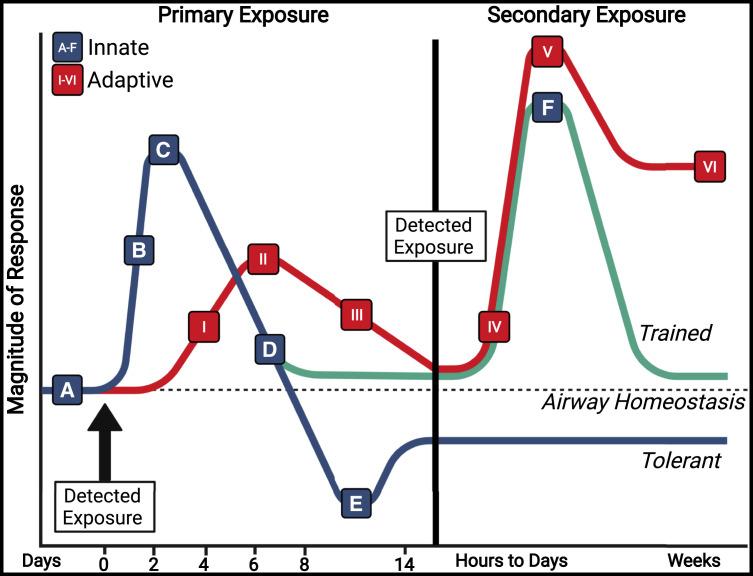
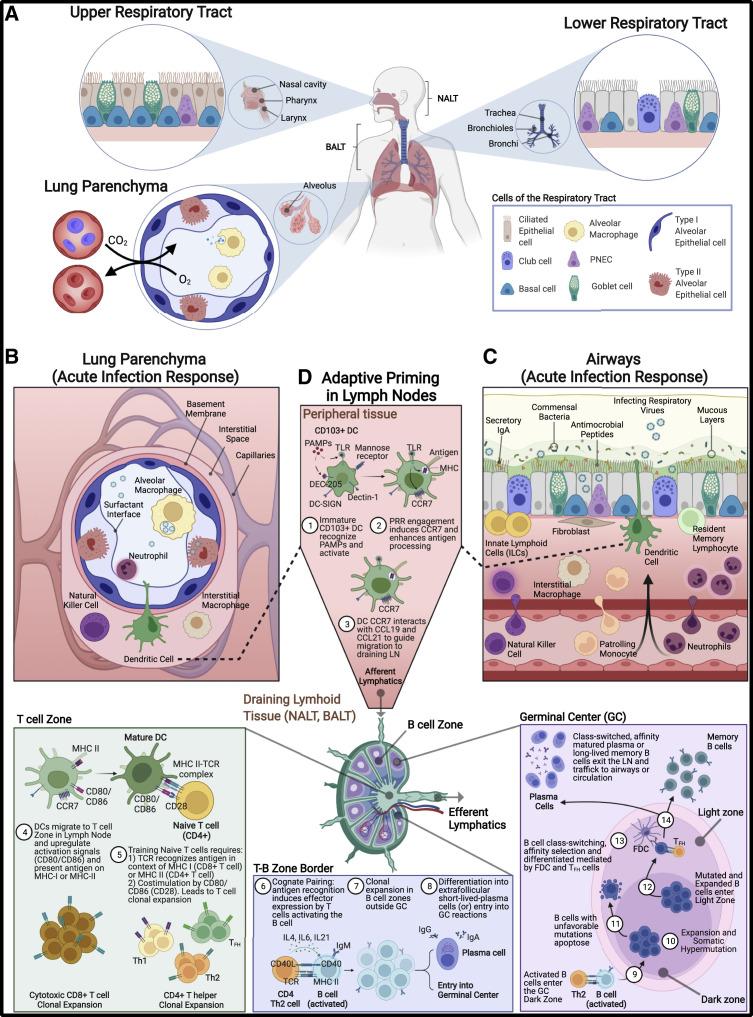
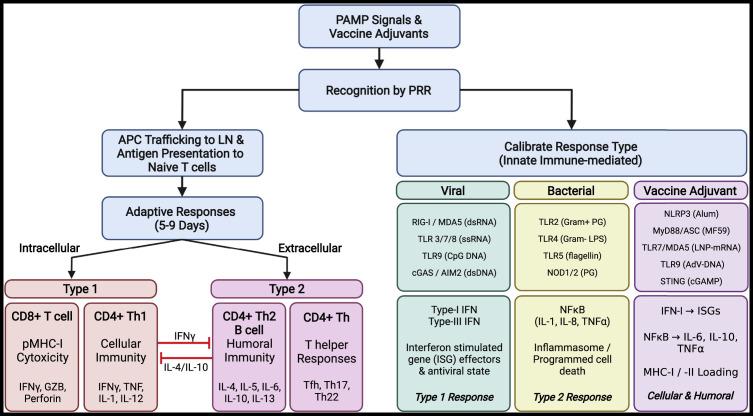
The lungs are constantly exposed to inhaled debris, allergens, pollutants, commensal or pathogenic microorganisms, and respiratory viruses. As a result, innate and adaptive immune responses in the respiratory tract are tightly regulated and are in continual flux between states of enhanced pathogen clearance, immune-modulation, and tissue repair. New single-cell-sequencing techniques are expanding our knowledge of airway cellular complexity and the nuanced connections between structural and immune cell compartments. Understanding these varied interactions is critical in treatment of human pulmonary disease and infections and in next-generation vaccine design. Here, we review the innate and adaptive immune responses in the lung and airways following infection and vaccination, with particular focus on influenza virus and severe acute respiratory syndrome coronavirus 2 (SARS-CoV-2). The ongoing SARS-CoV-2 pandemic has put pulmonary research firmly into the global spotlight, challenging previously held notions of respiratory immunity and helping identify new populations at high risk for respiratory distress.
肺部不断受到吸入的碎片、过敏原、污染物、共生或致病微生物以及呼吸道病毒的影响。因此,呼吸道中的先天和适应性免疫反应受到严格调节,在增强病原体清除、免疫调节和组织修复之间不断变化。新的单细胞测序技术正在扩展我们对气道细胞复杂性以及结构细胞和免疫细胞区室之间细微联系的认识。了解这些不同的相互作用对于治疗人类肺部疾病和感染以及下一代疫苗设计至关重要。在这里,我们回顾了感染和接种疫苗后肺部和气道中的先天和适应性免疫反应,特别关注流感病毒和严重急性呼吸综合征冠状病毒 2(SARS-CoV-2)。当前的 SARS-CoV-2 大流行使肺部研究成为全球关注的焦点,挑战了以前关于呼吸道免疫的观念,并帮助确定了呼吸道窘迫高危人群。
 Zotero 插件