
医疗保健中的呼吸器:临床疗效的材料、设计、监管、环境和经济考量
Respirators in Healthcare: Material, Design, Regulatory, Environmental, and Economic Considerations for Clinical Efficacy.
作者信息
Young Cameron C, Byrne James D, Wentworth Adam J, Collins Joy E, Chu Jacqueline N, Traverso Giovanni
机构信息
Division of Gastroenterology Brigham and Women's Hospital Harvard Medical School 75 Francis St Boston MA 02115 USA.
Departments of Chemical Engineering and Biochemistry Northeastern University 300 Huntington Ave Boston MA 02115 USA.
出版信息
Glob Chall. 2022 Apr 12;6(10):2200001. doi: 10.1002/gch2.202200001.
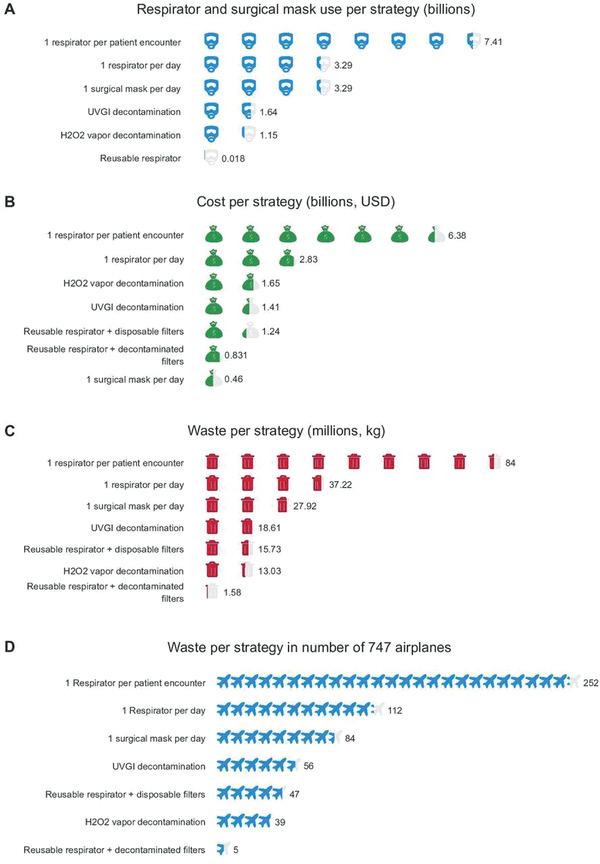
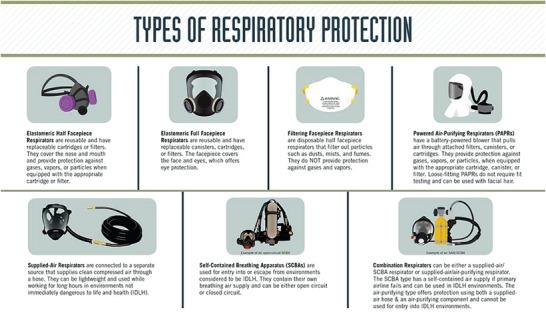
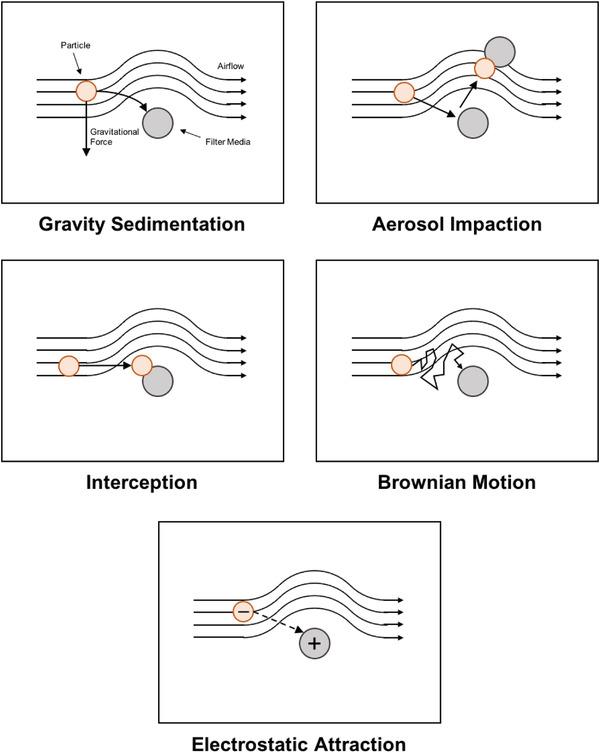
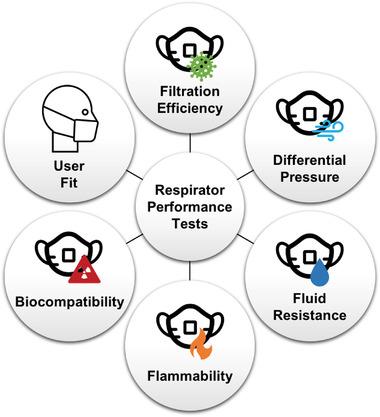
Maintaining an ample supply of personal protective equipment continues to be a challenge for the healthcare industry, especially during emergency situations and times of strain on the supply chain. Most critically, healthcare workers exposed to potential airborne hazards require sufficient respiratory protection. Respirators are the only type of personal protective equipment able to provide adequate respiratory protection. However, their ability to shield hazards depends on design, material, proper fit, and environmental conditions. As a result, not all respirators may be adequate for all scenarios. Additionally, factors including user comfort, ease of use, and cost contribute to respirator effectiveness. Therefore, a careful consideration of these parameters is essential for ensuring respiratory protection for those working in the healthcare industry. Here respirator design and material characteristics are reviewed, as well as properties of airborne hazards and potential filtration mechanisms, regulatory standards of governmental agencies, respirator efficacy in the clinical setting, attitude of healthcare personnel toward respiratory protection, and environmental and economic considerations of respirator manufacturing and distribution.
对医疗行业来说,维持充足的个人防护装备供应仍然是一项挑战,尤其是在紧急情况和供应链紧张时期。最关键的是,接触潜在空气传播危害的医护人员需要足够的呼吸防护。呼吸器是唯一能够提供充分呼吸防护的个人防护装备类型。然而,它们屏蔽危害的能力取决于设计、材料、合适的贴合度和环境条件。因此,并非所有呼吸器都适用于所有场景。此外,包括使用者舒适度、易用性和成本等因素也会影响呼吸器的有效性。因此,仔细考虑这些参数对于确保医疗行业工作人员的呼吸防护至关重要。在此,将对呼吸器的设计和材料特性、空气传播危害的特性和潜在过滤机制、政府机构的监管标准、呼吸器在临床环境中的功效、医护人员对呼吸防护的态度以及呼吸器制造和分发的环境和经济考量进行综述。
 Zotero 插件