
丹参酮IIA与肝细胞癌:一种潜在的治疗药物。
Tanshinone IIA and hepatocellular carcinoma: A potential therapeutic drug.
作者信息
Li Hu, Hu Pengbo, Zou Yajun, Yuan Lijuan, Xu Yucheng, Zhang Xiaohui, Luo Xiaoyan, Zhang Zhiqiang
机构信息
Emergency Department, Affiliated Hospital of Binzhou Medical College, Binzhou, China.
Institute of Medical Science of Binzhou Medical University, Yantai, China.
出版信息
Front Oncol. 2023 Jan 31;13:1071415. doi: 10.3389/fonc.2023.1071415. eCollection 2023.
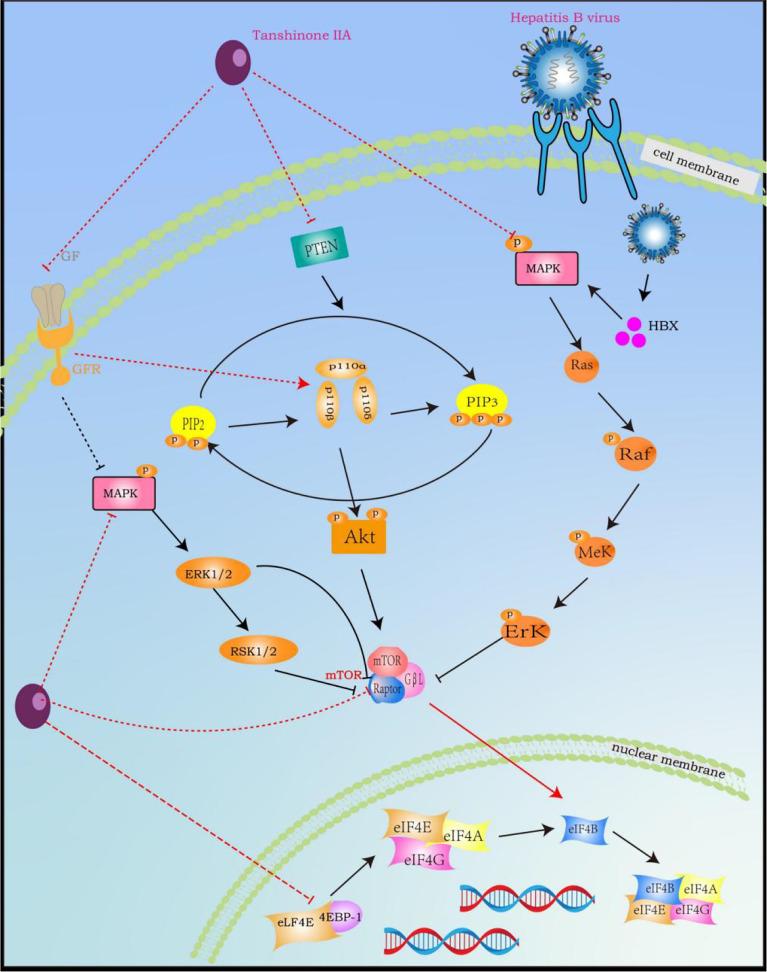
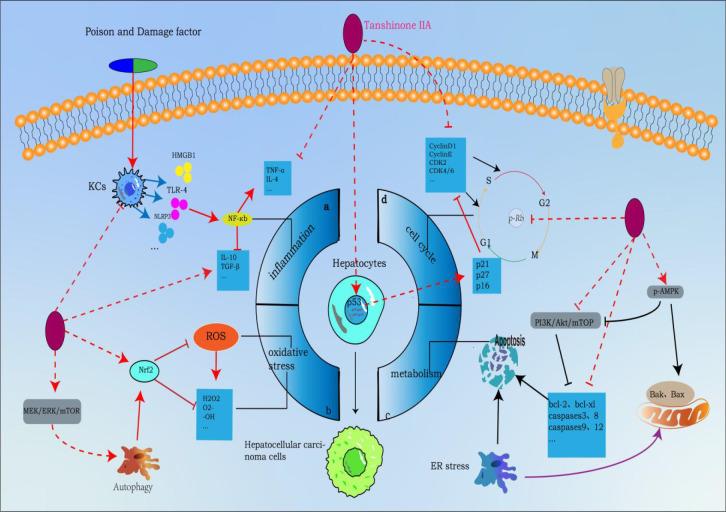
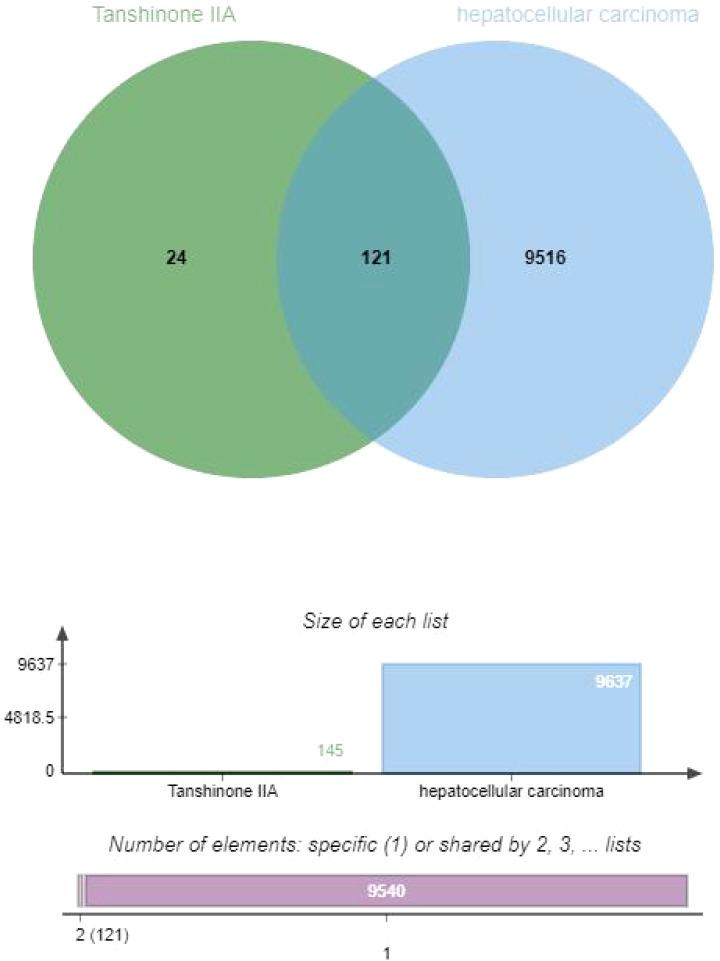
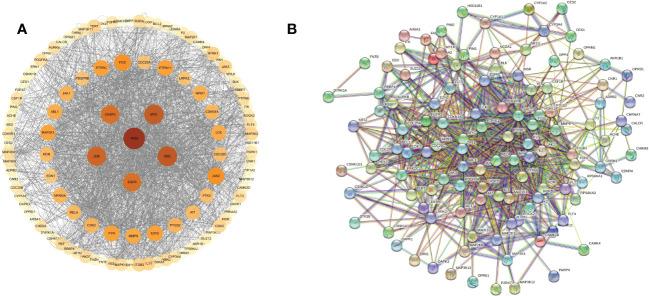
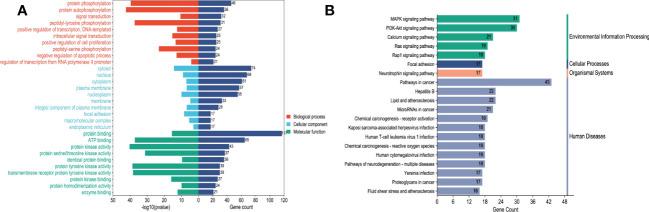
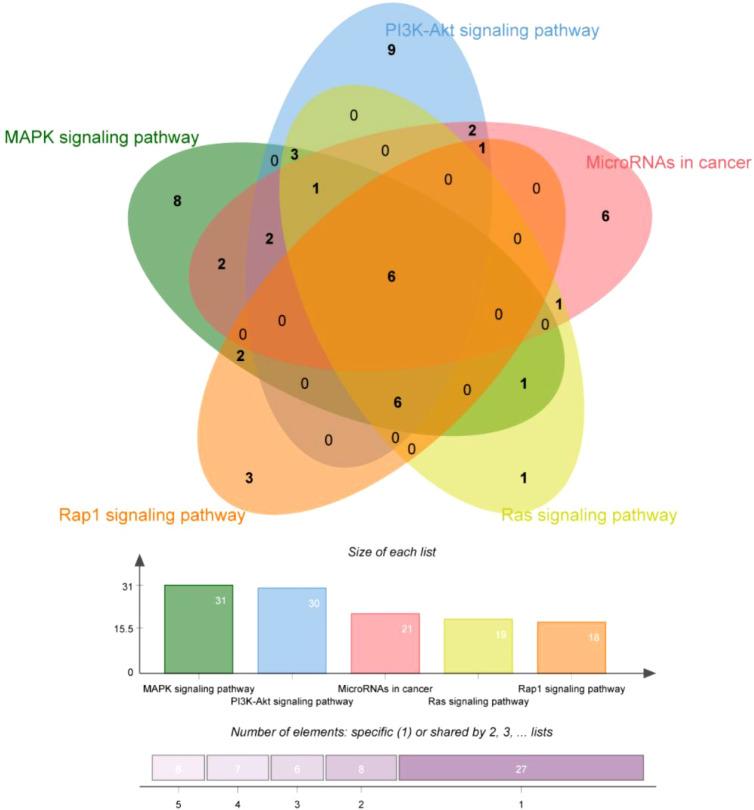
Because of its high prevalence and poor long-term clinical treatment effect, liver disease is regarded as a major public health problem around the world. Among them, viral hepatitis, fatty liver, cirrhosis, non-alcoholic fatty liver disease (NAFLD), and autoimmune liver disease are common causes and inducements of liver injury, and play an important role in the occurrence and development of hepatocellular carcinoma (HCC). Tanshinone IIA (TsIIA) is a fat soluble polyphenol of Salvia miltiorrhiza that is extracted from Salvia miltiorrhiza. Because of its strong biological activity (anti-inflammatory, antioxidant), it is widely used in Asia to treat cardiovascular and liver diseases. In addition, TsIIA has shown significant anti-HCC activity in previous studies. It not only has significant anti proliferation and pro apoptotic properties. It can also play an anti-cancer role by mediating a variety of signal pathways, including phosphatidylinositol-3-kinase (PI3K)/protein kinase B (Akt)/rapamycin (mTOR), mitogen-activated protein kinase (MAPK), and nuclear factor kappa-B (NF-κB). This review not only reviews the existing evidence and molecular mechanism of TsIIA's anti-HCC effect but also reviews the liver-protective effect of TsIIA and its impact on liver fibrosis, NAFLD, and other risk factors for liver cancer. In addition, we also conducted network pharmacological analysis on TsIIA and HCC to further screen and explore the possible targets of TsIIA against hepatocellular carcinoma. It is expected to provide a theoretical basis for the development of anti-HCC-related drugs based on TsIIA.
由于肝病的高发病率和较差的长期临床治疗效果,它被视为全球主要的公共卫生问题。其中,病毒性肝炎、脂肪肝、肝硬化、非酒精性脂肪性肝病(NAFLD)和自身免疫性肝病是肝损伤的常见病因和诱因,在肝细胞癌(HCC)的发生和发展中起重要作用。丹参酮IIA(TsIIA)是从丹参中提取的一种脂溶性多酚。由于其强大的生物活性(抗炎、抗氧化),它在亚洲被广泛用于治疗心血管疾病和肝病。此外,TsIIA在先前的研究中已显示出显著的抗HCC活性。它不仅具有显著的抗增殖和促凋亡特性,还可以通过介导多种信号通路发挥抗癌作用,包括磷脂酰肌醇-3-激酶(PI3K)/蛋白激酶B(Akt)/雷帕霉素(mTOR)、丝裂原活化蛋白激酶(MAPK)和核因子κB(NF-κB)。本综述不仅回顾了TsIIA抗HCC作用的现有证据和分子机制,还回顾了TsIIA的肝脏保护作用及其对肝纤维化、NAFLD和其他肝癌危险因素的影响。此外,我们还对TsIIA和HCC进行了网络药理学分析,以进一步筛选和探索TsIIA抗肝细胞癌的可能靶点。期望为基于TsIIA的抗HCC相关药物的开发提供理论依据。

 Zotero 插件