
布基纳法索育龄妇女中不首选计划生育方法的流行情况:一项基于人群的横断面研究结果。
Prevalence of non-preferred family planning methods among reproductive-aged women in Burkina Faso: results from a cross-sectional, population-based study.
机构信息
PhD Student, Department of Epidemiology, University of North Carolina Gillings School of Global Public Health, Chapel Hill, USA.
Predoctoral Trainee, Carolina Population Center, University of North Carolina at Chapel Hill, Chapel Hill, USA.
出版信息
Sex Reprod Health Matters. 2023 Dec;31(1):2174244. doi: 10.1080/26410397.2023.2174244.
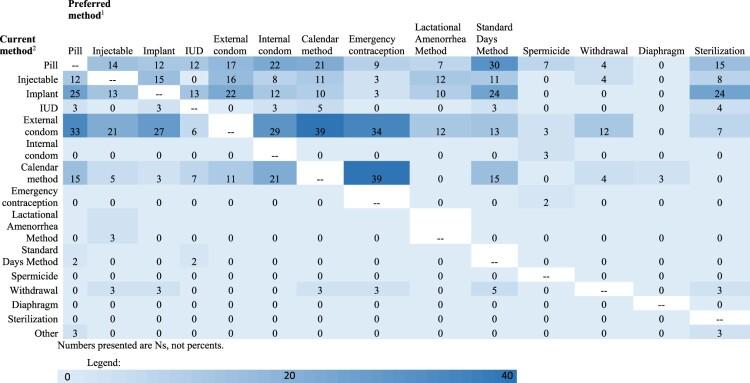
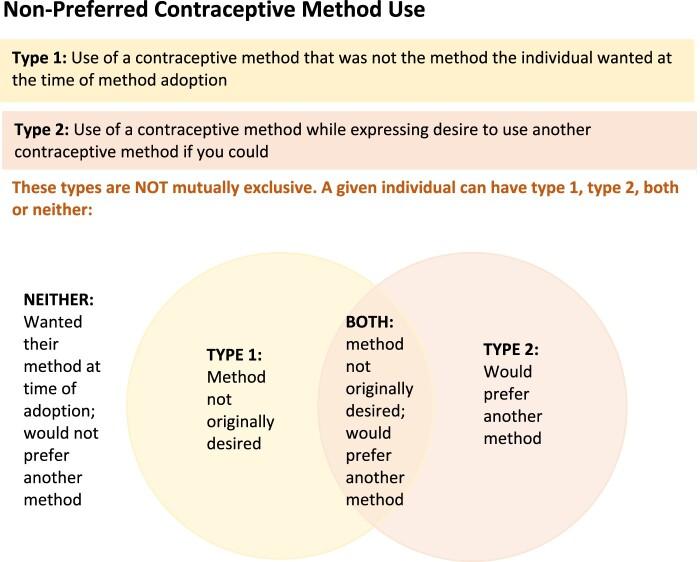
Family planning researchers have traditionally focused efforts on understanding contraceptive non-use and promoting contraceptive uptake. Recently, however, more scholars have been exploring method dissatisfaction, questioning the assumption that contraceptive users necessarily have their needs met. Here, we introduce the concept of "non-preferred method use", which we define as the use of one contraceptive method while having the desire to use a different method. Non-preferred method use reflects barriers to contraceptive autonomy and may contribute to method discontinuation. We use survey data collected from 2017 to 2018 to better understand non-preferred contraceptive method use among 1210 reproductive-aged family planning users in Burkina Faso. We operationalise non-preferred method use as both (1) use of a method that was not the user's original preference and (2) use of a method while reporting preference for another method. Using these two approaches, we describe the prevalence of non-preferred method use, reasons for using non-preferred methods, and patterns in non-preferred method use by current and preferred methods. We find that 7% of respondents reported using a method they did not desire at the time of adoption, 33% would use a different method if they could and 37% report at least one form of non-preferred method use. Many women cite facility-level barriers, such as providers refusing to give them their preferred method, as reasons for non-preferred method use. The high prevalence of non-preferred method use reflects the obstacles that women face when attempting to fulfil their contraceptive desires. Further research on reasons for use of non-preferred methods is necessary to promote contraceptive autonomy.
计划生育研究人员传统上一直致力于了解避孕不使用者的情况并促进避孕措施的采用。然而,最近越来越多的学者开始探索方法不满,质疑避孕使用者的需求必然得到满足的假设。在这里,我们引入了“非首选方法使用”的概念,我们将其定义为使用一种避孕方法,同时希望使用另一种方法。非首选方法的使用反映了避孕自主的障碍,可能导致方法的中断。我们使用 2017 年至 2018 年收集的调查数据,更好地了解布基纳法索 1210 名育龄计划生育使用者中不首选避孕方法的使用情况。我们将非首选避孕方法的使用定义为(1)使用非使用者最初偏好的方法和(2)在报告偏好另一种方法的同时使用一种方法。通过这两种方法,我们描述了非首选方法使用的流行程度、使用非首选方法的原因以及当前和首选方法中非首选方法使用的模式。我们发现,7%的受访者报告说他们在采用时使用了一种他们不想要的方法,33%的人如果可以的话会使用另一种方法,37%的人报告至少有一种非首选方法的使用。许多妇女提到设施层面的障碍,例如提供者拒绝给予她们首选的方法,这是使用非首选方法的原因。非首选方法使用的高流行率反映了妇女在试图满足避孕需求时面临的障碍。有必要进一步研究使用非首选方法的原因,以促进避孕自主权。

 Zotero 插件