
信使核糖核酸疫苗平台:信使核糖核酸的生产与递送
mRNA Vaccine Platform: mRNA Production and Delivery.
作者信息
Litvinova V R, Rudometov A P, Karpenko L I, Ilyichev A A
机构信息
State Research Center of Virology and Biotechnology "Vector", Federal Service for Surveillance on Consumer Rights Protection and Human Welfare, 630559 Koltsovo, Novosibirsk Region Russia.
出版信息
Russ J Bioorg Chem. 2023;49(2):220-235. doi: 10.1134/S1068162023020152. Epub 2023 May 19.
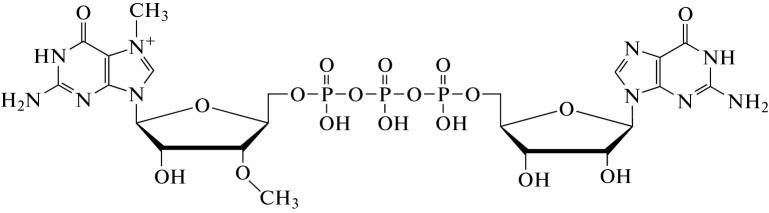
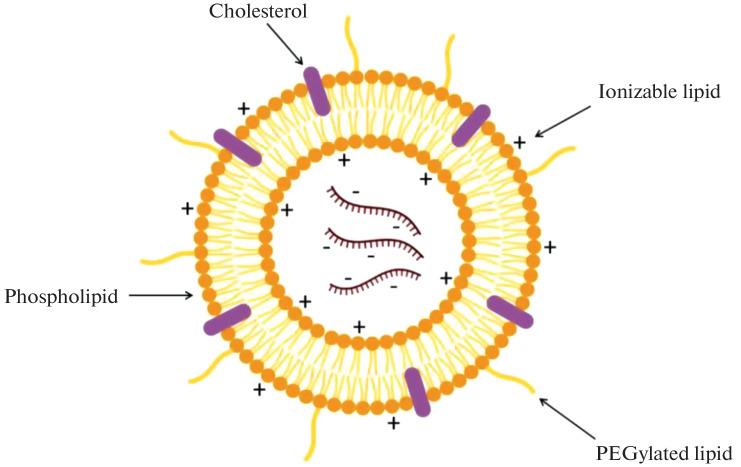
Vaccination is the most efficient way to prevent infectious diseases. mRNA-based vaccines is a new approach to vaccine development, which have several very useful advantages over other types of vaccines. Since mRNA encodes only the target antigen there is no potential risk of infection as in the case with attenuated or inactivated pathogens. The mode of action of mRNA-vaccines implies that their genetic information is expressed only in the cytosol, leaving very little possibility of mRNA integration into the host's genome. mRNA-vaccines can induce specific cellular and humoral immune responses, but do not induce the antivector immune response. The mRNA-vaccine platform allows for easy target gene replacement without the need to change the production technology, which is important to address the time lag between the epidemic onset and vaccine release. The present review discusses the history of mRNA vaccines, mRNA vaccine production technology, ways to increase mRNA stability, modifications of the cap, poly(A)-tail, coding and noncoding parts of mRNA, target mRNA vaccine purification from byproducts, and delivery methods.
接种疫苗是预防传染病最有效的方法。基于信使核糖核酸(mRNA)的疫苗是疫苗研发的一种新方法,与其他类型的疫苗相比具有几个非常有用的优势。由于mRNA仅编码目标抗原,因此不存在减毒或灭活病原体情况下的潜在感染风险。mRNA疫苗的作用方式意味着它们的遗传信息仅在细胞质中表达,mRNA整合到宿主基因组中的可能性极小。mRNA疫苗可诱导特异性细胞免疫和体液免疫反应,但不会诱导抗载体免疫反应。mRNA疫苗平台允许轻松更换目标基因,而无需改变生产技术,这对于解决疫情爆发与疫苗发布之间的时间差很重要。本综述讨论了mRNA疫苗的历史、mRNA疫苗生产技术、提高mRNA稳定性的方法、帽结构、聚腺苷酸尾(poly(A)尾)、mRNA编码和非编码部分的修饰、从副产物中纯化目标mRNA疫苗的方法以及递送方法。





 Zotero 插件