
对源自牛乳酪蛋白的生物活性肽的自组装和凝胶形成的深入了解。
Insight into the self-assembly and gel formation of a bioactive peptide derived from bovine casein.
作者信息
Petit Noémie, Dyer Jolon M, Gerrard Juliet A, Domigan Laura J, Clerens Stefan
机构信息
Riddet Institute, Massey University, PB 11 222, Palmerston North 4442, New Zealand.
School of Biological Sciences, University of Auckland, Auckland, New Zealand.
出版信息
BBA Adv. 2023 Mar 17;3:100086. doi: 10.1016/j.bbadva.2023.100086. eCollection 2023.
ABSTRACT
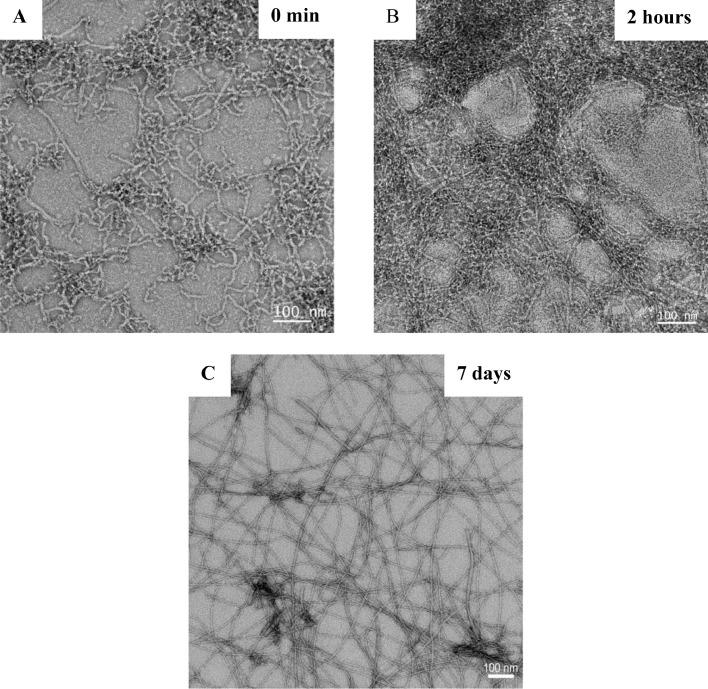
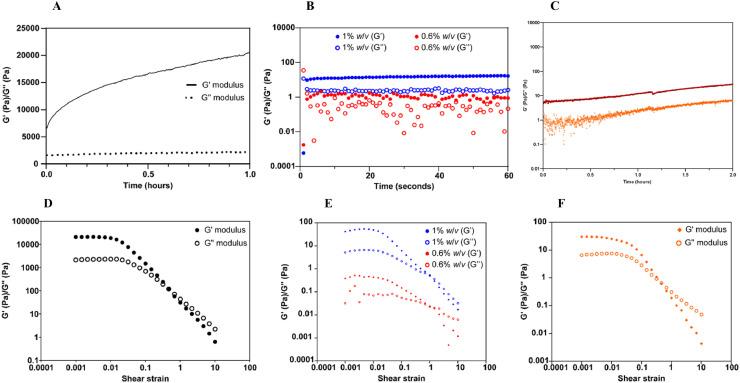
The self-assembling and gelation properties of a bioactive peptide derived from bovine casein (FFVAPFPEVFGK) were studied in the peptide's natural form (uncapped, ) and capped with protecting groups added to both termini (capped, ). Although the natural peptide () did not demonstrate self-assembly, the capped peptide () spontaneously self-assembled and formed a self-supporting gel. Variations in peptide concentration and incubation time influenced the gel's mechanical properties, suggesting the peptide's properties could be tuned and exploited for different applications. These results suggest that food-derived bioactive peptides have good potential for self-assembly and therefore utilisation as gels in functional foods and nutraceuticals.
BACKGROUND
Self-assembly is a natural phenomenon that occurs in many fundamental biological processes. Some peptides can self-assemble and form gels with tunable properties under given conditions. These properties, along with peptide bioactivity, can be combined to make unique biomaterials. Instead of synthesising the self-assembling bioactive peptides, we aim to extract them from natural sources. In order to use these peptides for different applications, it is essential to understand how we can trigger self-assembly and optimise the assembly conditions of these peptide gels.
SCOPE
The self-assembling and gelation properties of a bioactive peptide derived from bovine casein (FFVAPFPEVFGK) were studied in the peptide's natural form (uncapped, ) and capped with protecting groups added to both termini (capped, ).
MAJOR CONCLUSIONS
Although the natural peptide () did not demonstrate self-assembly, the capped peptide () spontaneously self-assembled and formed a self-supporting gel. Variations in peptide concentration and incubation time influenced the gel's mechanical properties, suggesting the peptide's properties could be tuned and exploited for different applications.
GENERAL SIGNIFICANCE
These results suggest that food-derived bioactive peptides have good potential for self-assembly and therefore utilisation as gels in functional foods and nutraceuticals.
摘要
研究了源自牛乳酪蛋白的生物活性肽(FFVAPFPEVFGK)在其天然形式(未封端)以及两端添加保护基团封端后的自组装和凝胶化特性。尽管天然肽(未封端)未表现出自组装行为,但封端肽(封端)能自发地自组装并形成自支撑凝胶。肽浓度和孵育时间的变化会影响凝胶的机械性能,这表明该肽的特性可进行调整并应用于不同领域。这些结果表明,源自食物的生物活性肽具有良好的自组装潜力,因此可用于功能性食品和营养保健品中的凝胶。
背景
自组装是许多基本生物过程中发生的自然现象。一些肽在特定条件下能够自组装并形成具有可调节特性的凝胶。这些特性与肽的生物活性相结合,可制成独特的生物材料。我们的目标不是合成自组装生物活性肽,而是从天然来源中提取它们。为了将这些肽用于不同的应用,了解如何触发自组装以及优化这些肽凝胶的组装条件至关重要。
范围
研究了源自牛乳酪蛋白的生物活性肽(FFVAPFPEVFGK)在其天然形式(未封端)以及两端添加保护基团封端后的自组装和凝胶化特性。
主要结论
尽管天然肽(未封端)未表现出自组装行为,但封端肽(封端)能自发地自组装并形成自支撑凝胶。肽浓度和孵育时间的变化会影响凝胶的机械性能,这表明该肽的特性可进行调整并应用于不同领域。
一般意义
这些结果表明,源自食物的生物活性肽具有良好的自组装潜力,因此可用于功能性食品和营养保健品中的凝胶。



 Zotero 插件