
异质性感知两阶段分组测试
Heterogeneity Aware Two-Stage Group Testing.
作者信息
Attia Mohamed A, Chang Wei-Ting, Tandon Ravi
机构信息
Department of Electrical, Computer EngineeringUniversity of Arizona Tucson AZ 85721 USA.
出版信息
IEEE Trans Signal Process. 2021 Jul 2;69:3977-3990. doi: 10.1109/TSP.2021.3093785. eCollection 2021.
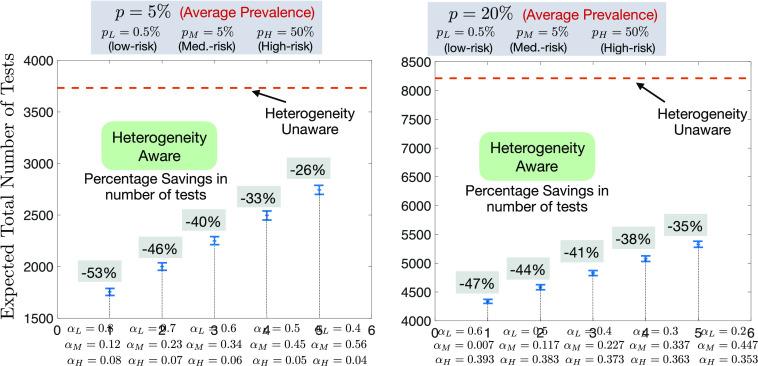
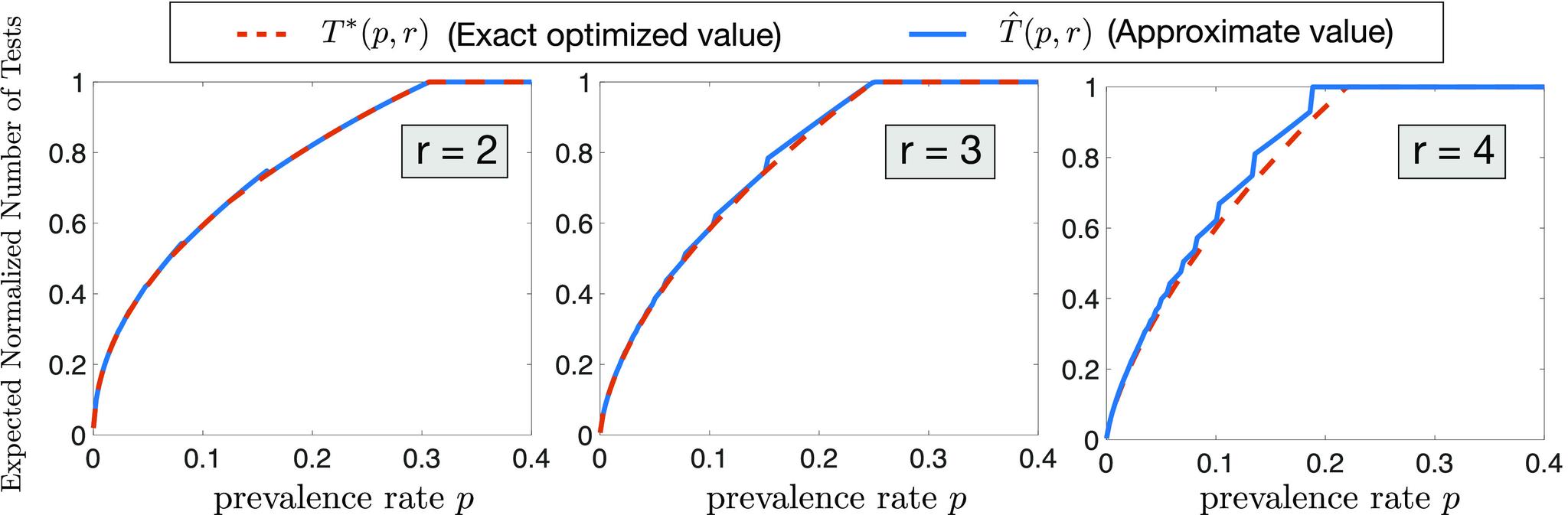
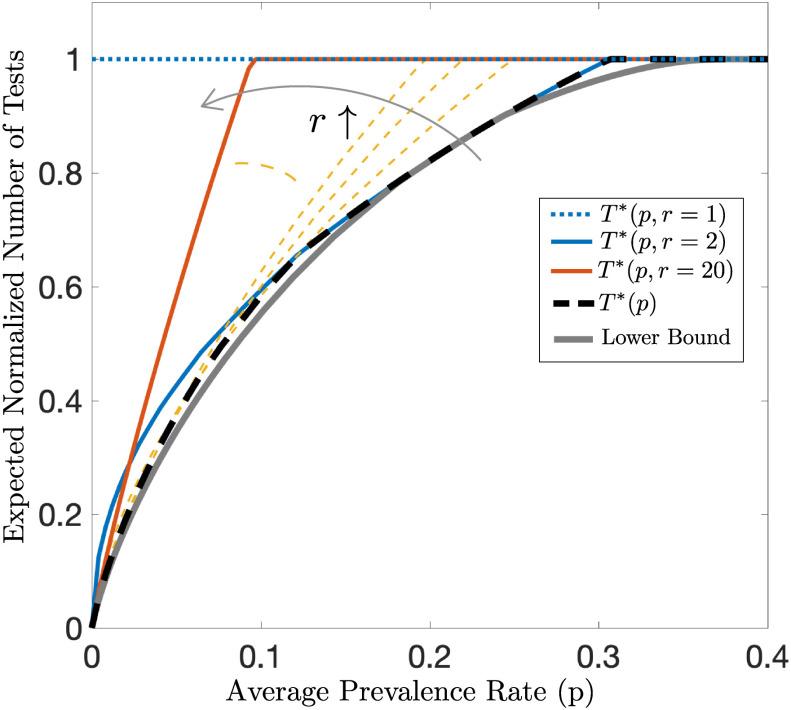
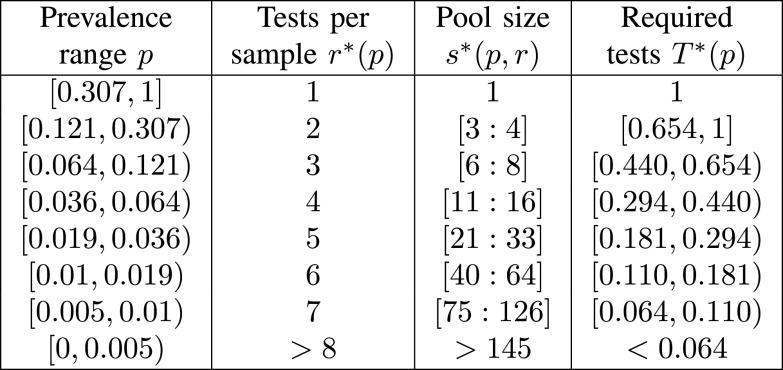
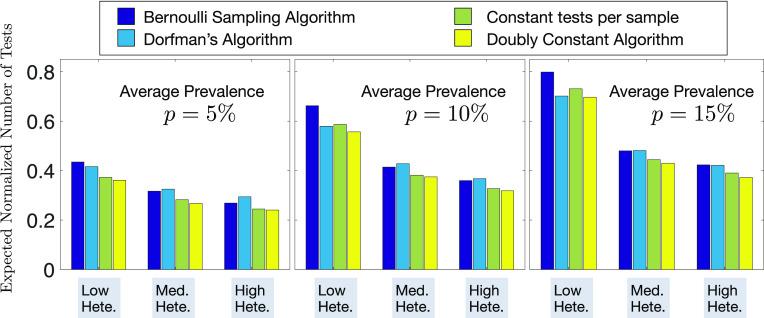
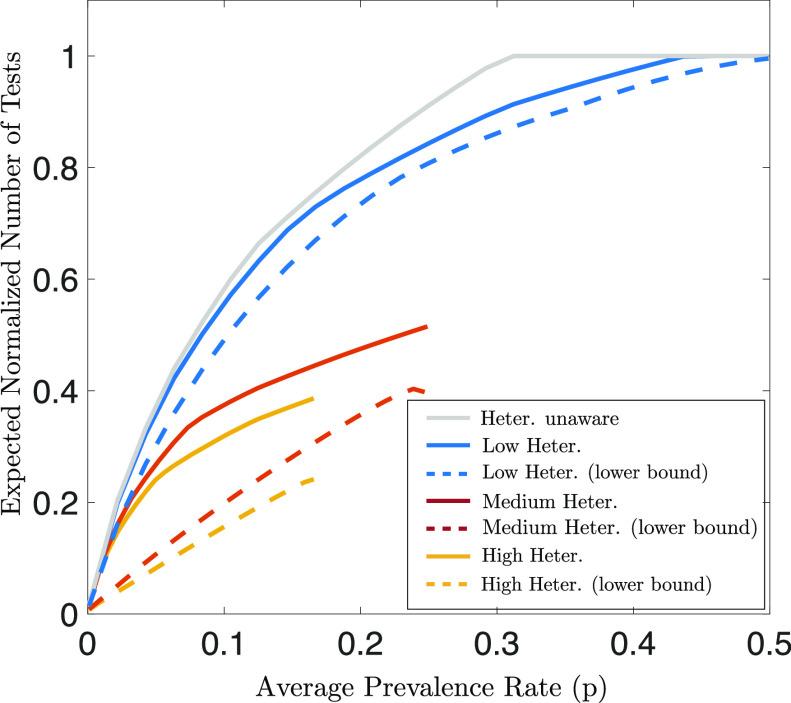
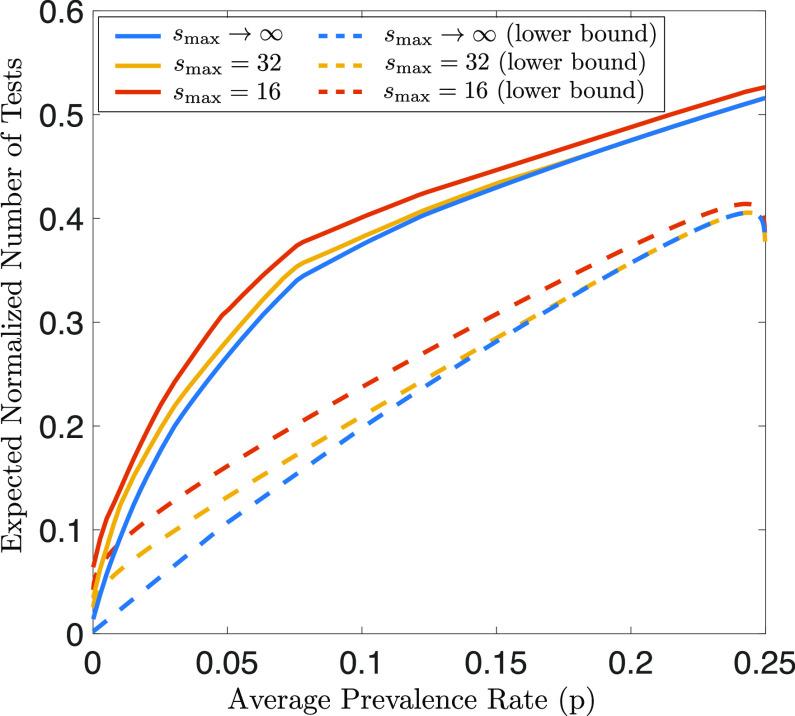
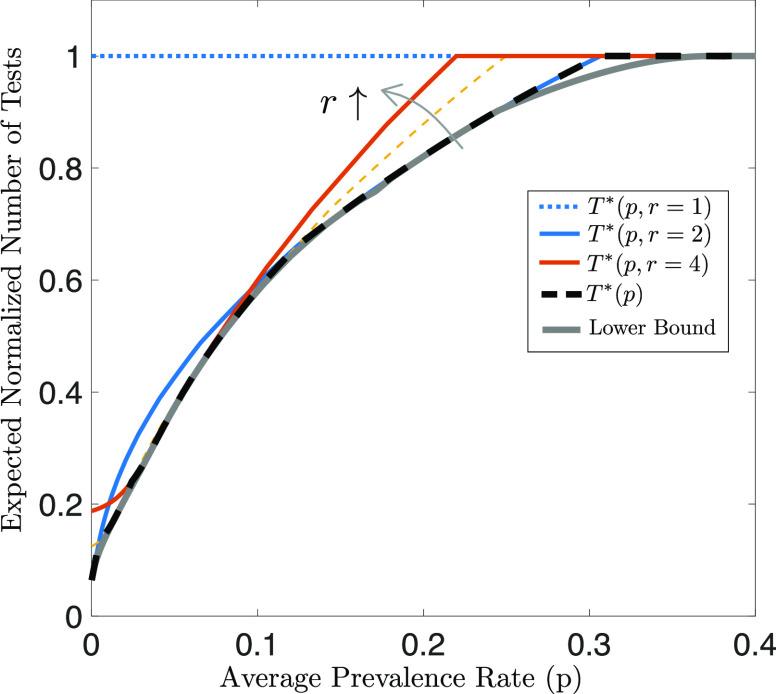
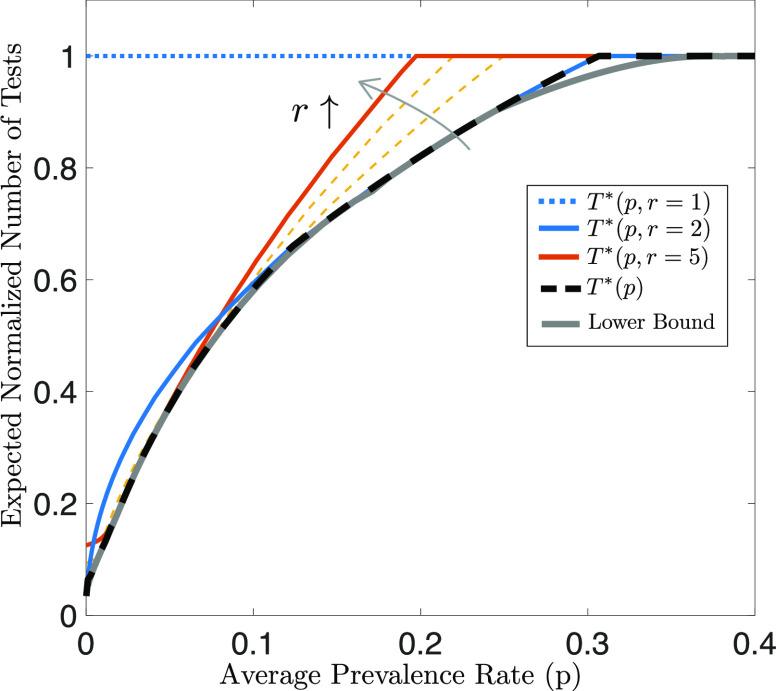
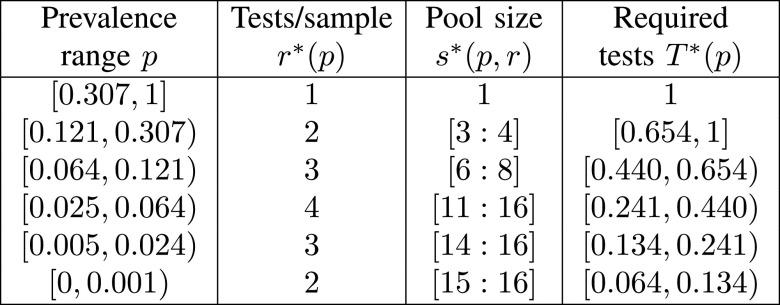
Group testing refers to the process of testing pooled samples to reduce the total number of tests. Given the current pandemic, and the shortage of test supplies for COVID-19, group testing can play a critical role in time and cost efficient diagnostics. In many scenarios, samples collected from users are also accompanied with auxiliary information (such as demographics, history of exposure, onset of symptoms). Such auxiliary information may differ across patients, and is typically not considered while designing group testing algorithms. In this paper, we abstract such heterogeneity using a model where the population can be categorized into clusters with different prevalence rates. The main result of this work is to show that exploiting knowledge heterogeneity can further improve the efficiency of group testing. Motivated by the practical constraints and diagnostic considerations, we focus on two-stage group testing algorithms, where in the first stage, the goal is to detect as many negative samples by pooling, whereas the second stage involves individual testing to detect any remaining samples. For this class of algorithms, we prove that the gain in efficiency is related to the concavity of the number of tests as a function of the prevalence. We also show how one can choose the optimal pooling parameters for one of the algorithms in this class, namely, doubly constant pooling. We present lower bounds on the average number of tests as a function of the population heterogeneity profile, and also provide numerical results and comparisons.
分组检测是指对混合样本进行检测以减少检测总数的过程。鉴于当前的疫情以及新冠病毒检测用品的短缺,分组检测在高效省时的诊断中可发挥关键作用。在许多情况下,从用户那里收集的样本还会附带辅助信息(如人口统计学信息、接触史、症状发作情况)。此类辅助信息在不同患者之间可能存在差异,而在设计分组检测算法时通常不会考虑这些信息。在本文中,我们使用一个模型来抽象这种异质性,在该模型中,总体可以被分类为具有不同患病率的簇。这项工作的主要成果是表明利用知识异质性可以进一步提高分组检测的效率。出于实际限制和诊断考虑,我们专注于两阶段分组检测算法,在第一阶段,目标是通过混合检测尽可能多地检测出阴性样本,而第二阶段则涉及对剩余样本进行逐个检测。对于这类算法,我们证明效率的提升与检测次数作为患病率函数的凹性有关。我们还展示了如何为这类算法中的一种,即双常数混合检测算法选择最优的混合参数。我们给出了作为总体异质性分布函数的平均检测次数的下限,并且还提供了数值结果和比较。






 Zotero 插件