
城市收容所无家可归者中的呼吸道合胞病毒、流感和新型冠状病毒2:系统评价与荟萃分析(2023年)
Respiratory Syncytial Virus, Influenza and SARS-CoV-2 in Homeless People from Urban Shelters: A Systematic Review and Meta-Analysis (2023).
作者信息
Riccò Matteo, Baldassarre Antonio, Corrado Silvia, Bottazzoli Marco, Marchesi Federico
机构信息
AUSL-IRCCS di Reggio Emilia, Servizio di Prevenzione e Sicurezza Negli Ambienti di Lavoro (SPSAL), Local Health Unit of Reggio Emilia, 42122 Reggio Emilia, Italy.
Department of Experimental and Clinical Medicine, University of Florence, 50134 Florence, Italy.
出版信息
Epidemiologia (Basel). 2024 Jan 31;5(1):41-79. doi: 10.3390/epidemiologia5010004.
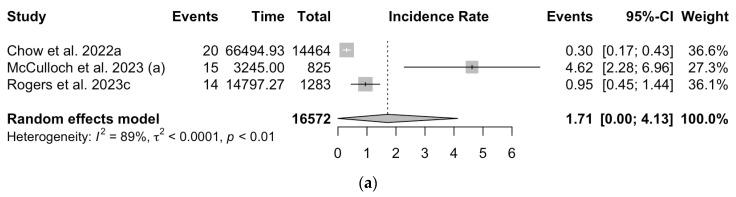
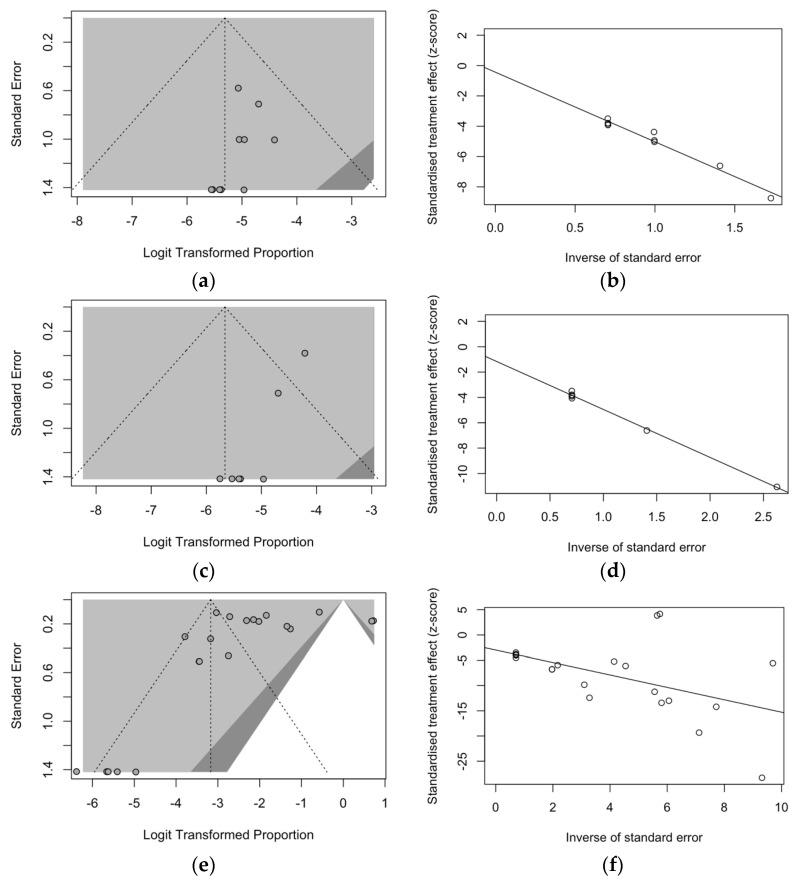
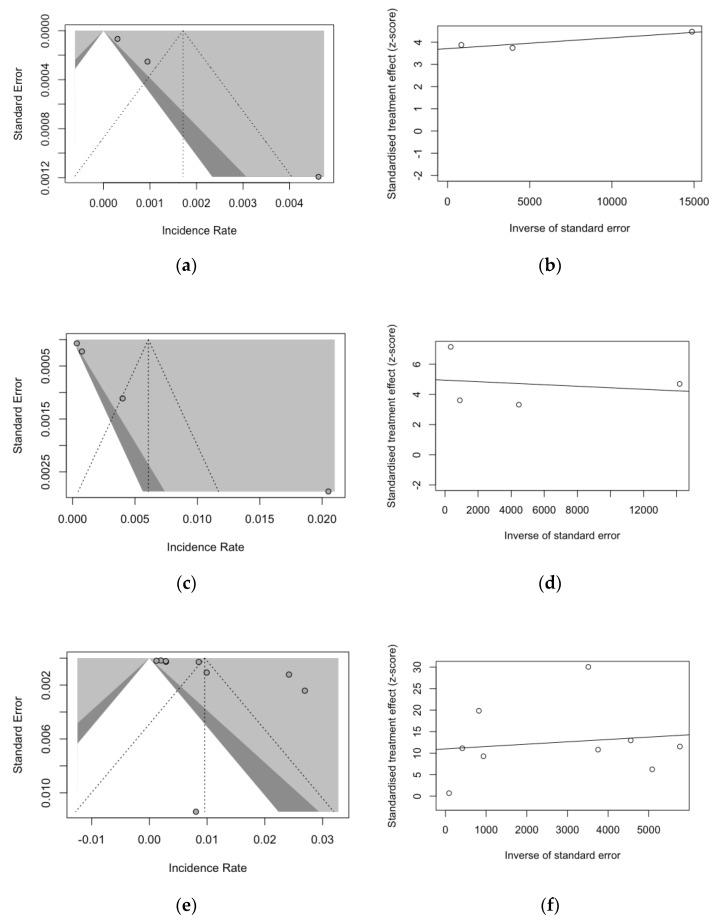
Homeless people (HP) are disproportionally affected by respiratory disorders, including pneumococcal and mycobacterial infections. On the contrary, more limited evidence has been previously gathered on influenza and severe acute respiratory syndrome coronavirus 2 (SARS-CoV-2), and very little is known about the occurrence of human respiratory syncytial virus (RSV), a common cause of respiratory tract infections among children and the elderly. The present systematic review was designed to collect available evidence about RSV, influenza and SARS-CoV-2 infections in HP, focusing on those from urban homeless shelters. Three medical databases (PubMed, Embase and Scopus) and the preprint repository medRxiv.org were therefore searched for eligible observational studies published up to 30 December 2023, and the collected cases were pooled in a random-effects model. Heterogeneity was assessed using the I statistics. Reporting bias was assessed by funnel plots and a regression analysis. Overall, 31 studies were retrieved, and of them, 17 reported on the point prevalence of respiratory pathogens, with pooled estimates of 4.91 cases per 1000 HP (95%CI: 2.46 to 9.80) for RSV, 3.47 per 1000 HP for influenza and 40.21 cases per 1000 HP (95%CI: 14.66 to 105.55) for SARS-CoV-2. Incidence estimates were calculated from 12 studies, and SARS-CoV-2 was characterized by the highest occurrence (9.58 diagnoses per 1000 persons-months, 95%CI: 3.00 to 16.16), followed by influenza (6.07, 95%CI: 0.00 to 15.06) and RSV (1.71, 95%CI: 0.00 to 4.13). Only four studies reported on the outcome of viral infections in HP: the assessed pathogens were associated with a high likelihood of hospitalization, while high rates of recurrence and eventual deaths were reported in cases of RSV infections. In summary, RSV, influenza and SARS-CoV-2 infections were documented in HP from urban shelters, and their potential outcomes stress the importance of specifically tailored preventive strategies.
无家可归者(HP)受呼吸系统疾病的影响尤为严重,包括肺炎球菌和分枝杆菌感染。相反,此前关于流感和严重急性呼吸综合征冠状病毒2(SARS-CoV-2)的证据较为有限,而对于人类呼吸道合胞病毒(RSV)的发生情况了解甚少,RSV是儿童和老年人呼吸道感染的常见病因。本系统评价旨在收集有关无家可归者中RSV、流感和SARS-CoV-2感染的现有证据,重点关注城市无家可归者收容所中的人群。因此,检索了三个医学数据库(PubMed、Embase和Scopus)以及预印本库medRxiv.org,以查找截至2023年12月30日发表的符合条件的观察性研究,并将收集到的病例汇总到随机效应模型中。使用I统计量评估异质性。通过漏斗图和回归分析评估报告偏倚。总体而言,共检索到31项研究,其中17项报告了呼吸道病原体的点患病率,RSV的合并估计值为每1000名无家可归者中有4.91例(95%置信区间:2.46至9.80),流感为每1000名无家可归者中有3.47例,SARS-CoV-2为每1000名无家可归者中有40.21例(95%置信区间:14.66至105.55)。从12项研究中计算出发病率估计值,SARS-CoV-2的发病率最高(每1000人月9.58例诊断,95%置信区间:3.00至16.16),其次是流感(6.07,95%置信区间:0.00至15.06)和RSV(1.71,95%置信区间:0.00至4.13)。只有四项研究报告了无家可归者病毒感染的结果:评估的病原体与住院的高可能性相关,而RSV感染病例的复发率和最终死亡率较高。总之,城市收容所中的无家可归者中记录了RSV、流感和SARS-CoV-2感染,其潜在后果强调了制定专门针对性预防策略的重要性。






 Zotero 插件