
钴离子荧光和比色检测的最新进展。
Recent advances in the fluorimetric and colorimetric detection of cobalt ions.
作者信息
Shahbaz Muhammad, Dar Birra, Sharif Shahzad, Khurshid Muhammad Aqib, Hussain Sajjad, Riaz Bilal, Musaffa Maryam, Khalid Hania, Ch Ayoub Rashid, Mahboob Abia
机构信息
Materials Chemistry Laboratory, Department of Chemistry, Government College University Lahore 5400-Pakistan
School of Chemistry, Faculty of Basic Sciences and Mathematics, Minhaj Univeristy Lahore Pakistan.
出版信息
RSC Adv. 2024 Mar 25;14(14):9819-9847. doi: 10.1039/d4ra00445k. eCollection 2024 Mar 20.
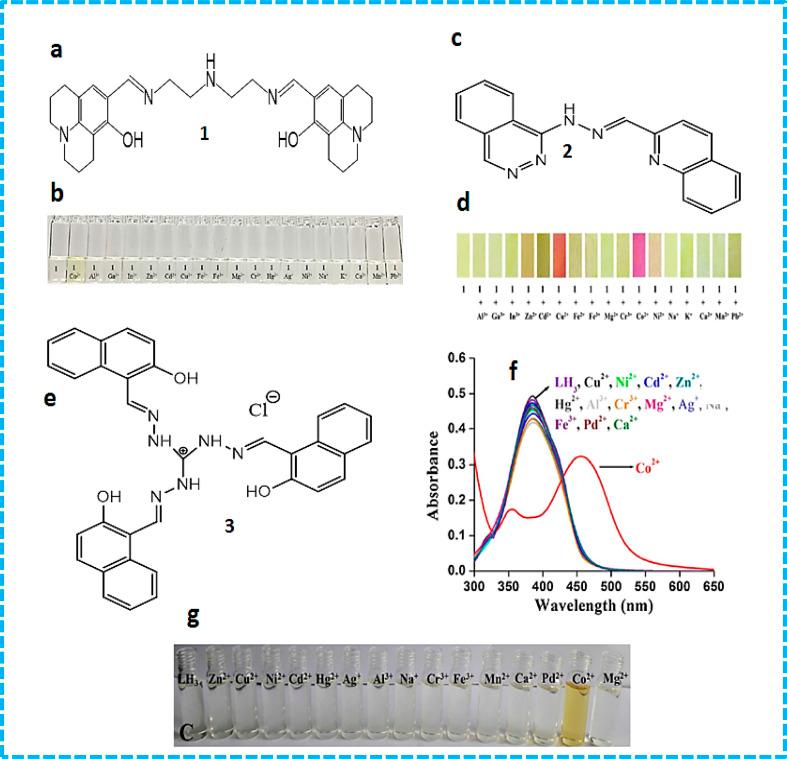
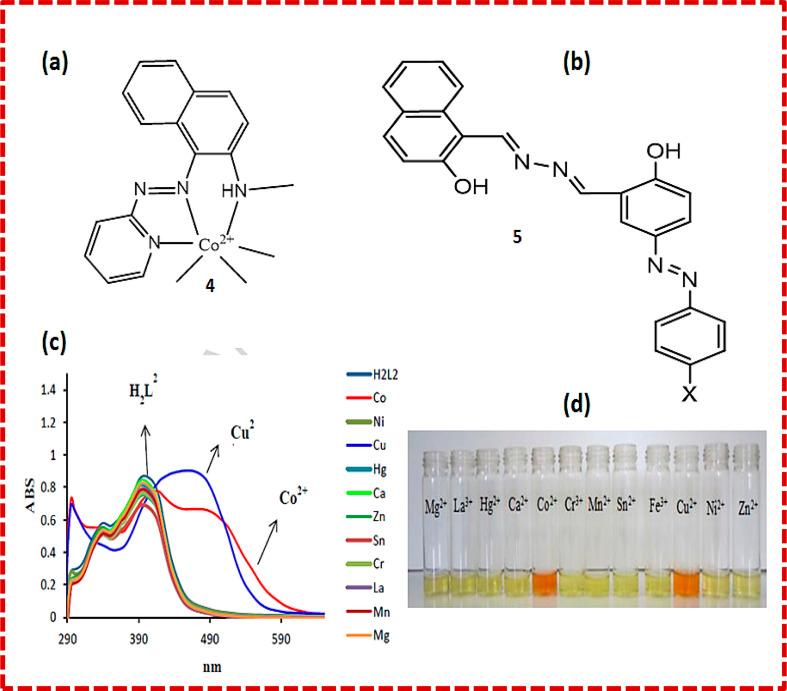
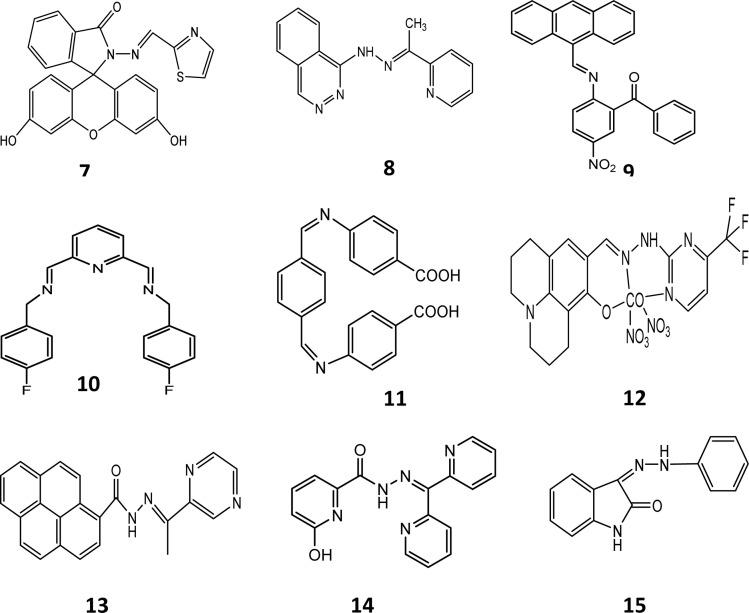
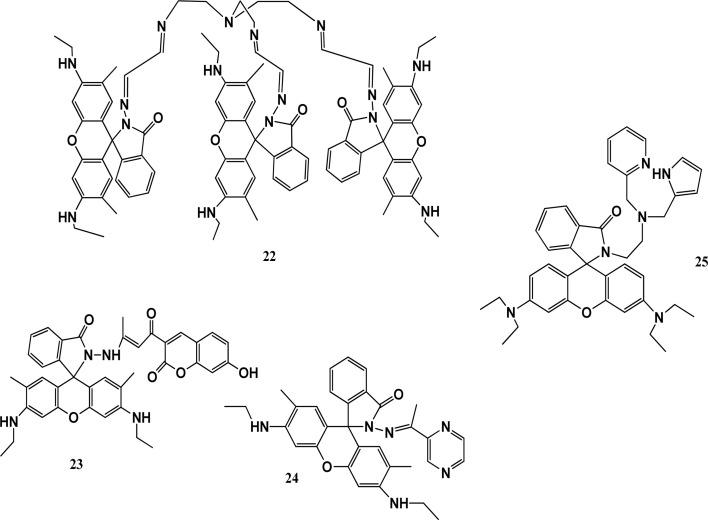
Cobalt is an essential metal to maintain several functions in the human body and is present in functional materials for numerous applications. Thus, to monitor these functions, it is necessary to develop suitable probes for the detection of cobalt. Presently, researchers are focused on designing different chemosensors for the qualitative and quantitative detection of the metal ions. Among the numerous methods devised for the identification of cobalt ions, colorimetric and fluorimetric techniques are considered the best choice due to their user-friendly nature, sensitivity, accuracy, linearity and robustness. In these techniques, the interaction of the analyte with the chemosensor leads to structural changes in the molecule, causing the emission and excitation intensities (bathochromic, hyperchromic, hypochromic, and hypsochromic) to change with a change in the concentration of the analyte. In this review, the recent advancements in the fluorimetric and colorimetric detection of cobalt ions are systematically summarized, and it is concluded that the development of chemosensors having distinctive colour changes when interacting with cobalt ions has been targeted for on-site detection. The chemosensors are grouped in various categories and their comparison and the discussion of computational studies will enable readers to have a quick overview and help in designing effective and efficient probes for the detection of cobalt in the field of chemo-sensing.
钴是维持人体多种功能所必需的金属,存在于众多应用的功能材料中。因此,为监测这些功能,有必要开发用于检测钴的合适探针。目前,研究人员专注于设计不同的化学传感器用于金属离子的定性和定量检测。在为鉴定钴离子而设计的众多方法中,比色法和荧光法因其用户友好性、灵敏度、准确性、线性和稳健性而被认为是最佳选择。在这些技术中,分析物与化学传感器的相互作用导致分子结构变化,使发射和激发强度(红移、增色、减色和蓝移)随分析物浓度变化而改变。在本综述中,系统总结了钴离子荧光和比色检测的最新进展,并得出结论:开发与钴离子相互作用时具有独特颜色变化的化学传感器旨在用于现场检测。化学传感器分为不同类别,对它们的比较以及计算研究的讨论将使读者能够快速了解概况,并有助于在化学传感领域设计有效且高效的钴检测探针。










 Zotero 插件