
不同有机酸类型和浓度尼古丁盐溶液电子烟中自由基的定量分析。
Quantification of Free Radicals from Vaping Electronic Cigarettes Containing Nicotine Salt Solutions with Different Organic Acid Types and Concentrations.
机构信息
Department of Environmental Toxicology, University of California, Davis, Davis, California 95616, United States.
Department of Chemistry, University of California, Davis, Davis, California 95616, United States.
出版信息
Chem Res Toxicol. 2024 Jun 17;37(6):991-999. doi: 10.1021/acs.chemrestox.4c00065. Epub 2024 May 22.
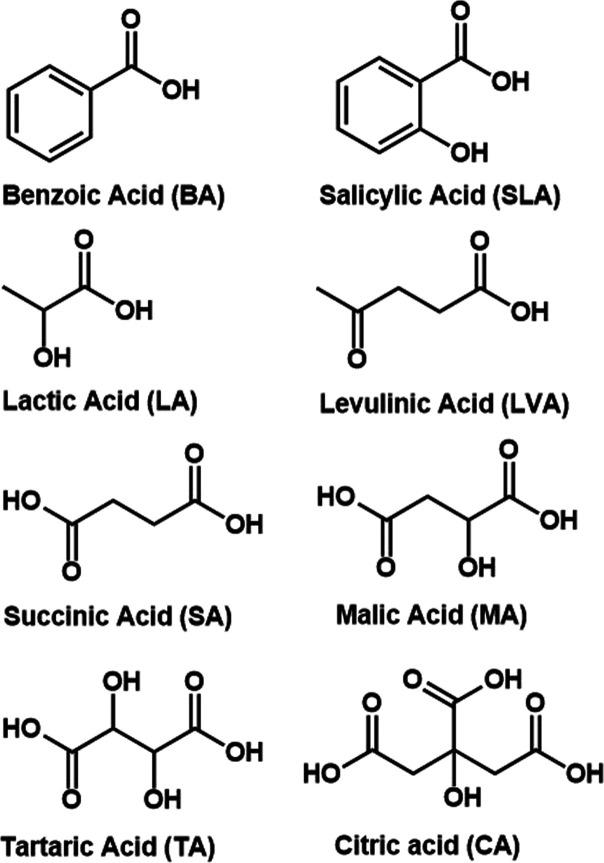
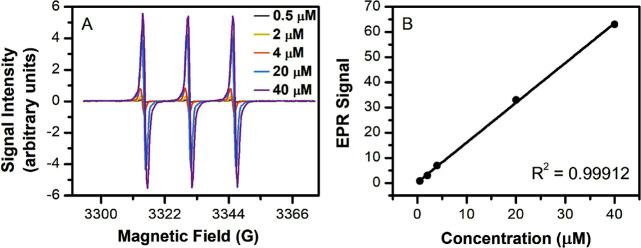
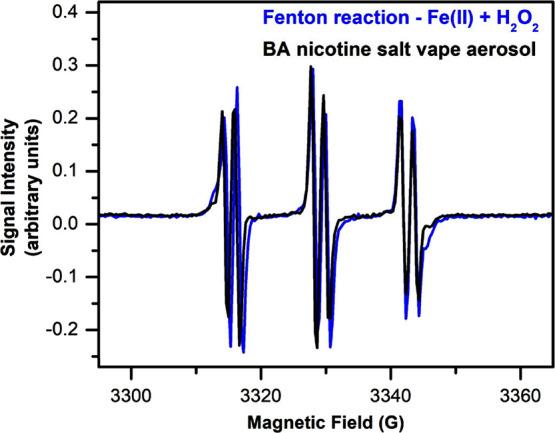
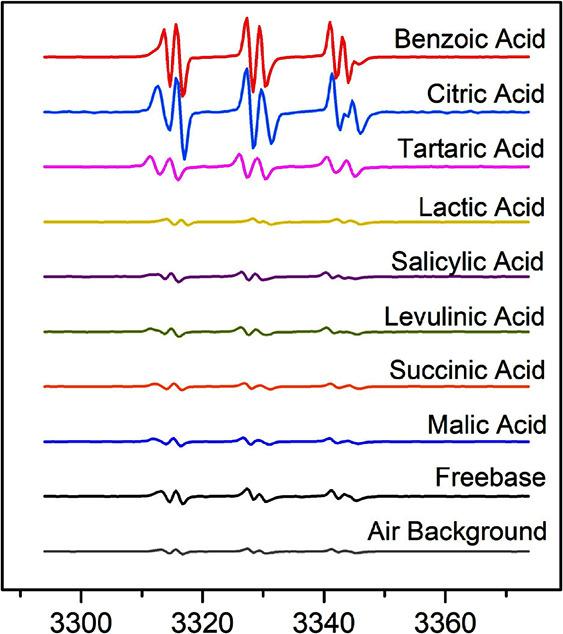
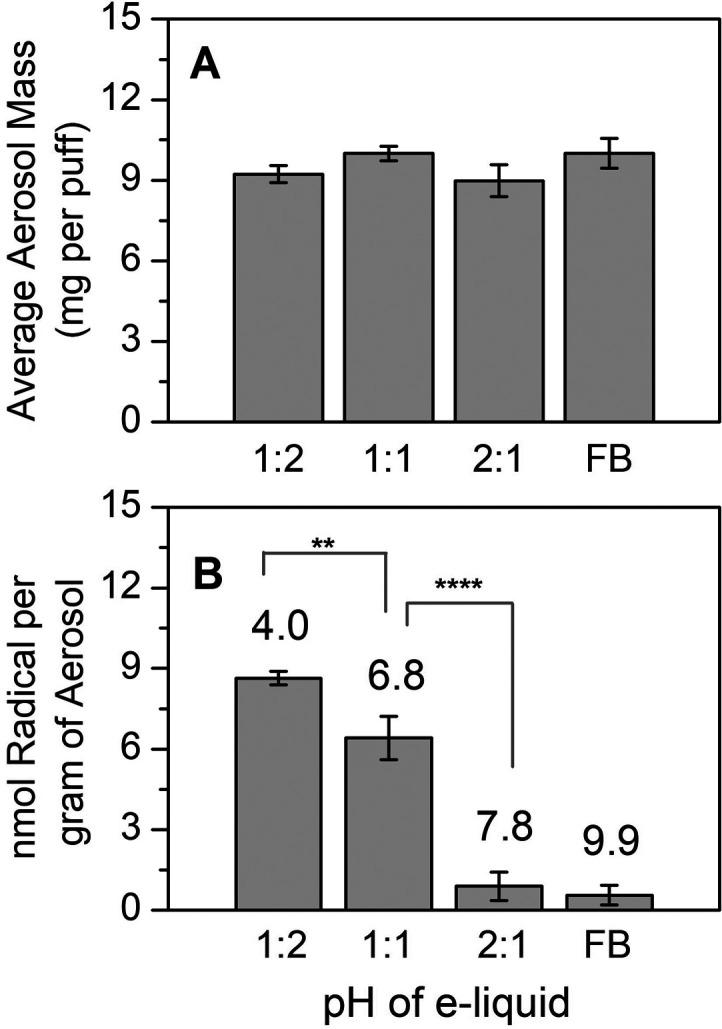
Electronic (e-) cigarette formulations containing nicotine salts from a range of organic acid conjugates and pH values have dominated the commercial market. The acids in the nicotine salt formulations may alter the redox environment in e-cigarettes, impacting free radical formation in e-cigarette aerosol. Here, the generation of aerosol mass and free radicals from a fourth-generation e-cigarette device was evaluated at 2 wt % nicotine salts (pH 7, 30:70 mixture propylene glycol to vegetable glycerin) across eight organic acids used in e-liquids: benzoic acid (BA), salicylic acid (SLA), lactic acid (LA), levulinic acid (LVA), succinic acid (SA), malic acid (MA), tartaric acid (TA), and citric acid (CA). Furthermore, 2 wt % BA nicotine salts were studied at the following nicotine to acid ratios: 1:2 (pH 4), 1:1 (pH 7), and 2:1 (pH 8), in comparison with freebase nicotine (pH 10). Radical yields were quantified by spin-trapping and electron paramagnetic resonance (EPR) spectroscopy. The EPR spectra of free radicals in the nicotine salt aerosol matched those generated from the Fenton reaction, which are primarily hydroxyl (OH) radicals and other reactive oxygen species (ROS). Although the aerosol mass formation was not significantly different for most of the tested nicotine salts and acid concentrations, notable ROS yields were observed only from BA, CA, and TA under the study conditions. The e-liquids with SLA, LA, LVA, SA, and MA produced less ROS than the 2 wt % freebase nicotine e-liquid, suggesting that organic acids may play dual roles in the production and scavenging of ROS. For BA nicotine salts, it was found that the ROS yield increased with a higher acid concentration (or a lower nicotine to acid ratio). The observation that BA nicotine salts produce the highest ROS yield in aerosol generated from a fourth-generation vape device, which increases with acid concentration, has important implications for ROS-mediated health outcomes that may be relevant to consumers, manufacturers, and regulatory agencies.
含有一系列有机酸共轭物和不同 pH 值尼古丁盐的电子(e-)香烟配方已经主导了商业市场。尼古丁盐配方中的酸可能会改变电子烟的氧化还原环境,影响电子烟气溶胶中自由基的形成。在这里,评估了在第四代电子烟设备中以 2wt%尼古丁盐(pH7,丙二醇与植物甘油的 30:70 混合物)生成气溶胶质量和自由基的情况,该尼古丁盐配方中包含八种电子烟液中使用的有机酸:苯甲酸(BA)、水杨酸(SLA)、乳酸(LA)、戊二酸(LVA)、琥珀酸(SA)、苹果酸(MA)、酒石酸(TA)和柠檬酸(CA)。此外,还研究了 2wt%BA 尼古丁盐在以下尼古丁与酸的比例下的情况:1:2(pH4)、1:1(pH7)和 2:1(pH8),并与游离碱尼古丁(pH10)进行了比较。自由基产率通过自旋捕获和电子顺磁共振(EPR)光谱进行定量。尼古丁盐气溶胶中自由基的 EPR 谱与芬顿反应产生的谱相匹配,主要是羟基(OH)自由基和其他活性氧物质(ROS)。尽管大多数测试的尼古丁盐和酸浓度下的气溶胶质量形成没有显著差异,但在研究条件下仅从 BA、CA 和 TA 观察到明显的 ROS 产率。SLA、LA、LVA、SA 和 MA 的电子烟液产生的 ROS 少于 2wt%游离碱尼古丁电子烟液,这表明有机酸可能在 ROS 的产生和清除中发挥双重作用。对于 BA 尼古丁盐,发现 ROS 产率随着酸浓度的增加(或尼古丁与酸的比例降低)而增加。BA 尼古丁盐在第四代 vape 设备生成的气溶胶中产生的 ROS 产率最高,并且随着酸浓度的增加而增加,这一观察结果对 ROS 介导的健康结果具有重要意义,这些结果可能与消费者、制造商和监管机构有关。



 Zotero 插件