
神经退行性疾病中的脑-肠-骨轴:见解、挑战与未来展望。
The Brain-Gut-Bone Axis in Neurodegenerative Diseases: Insights, Challenges, and Future Prospects.
机构信息
Department of Neurosurgery, Shanghai Changhai Hospital, Naval Medical University, Shanghai, 200433, China.
Tongji University Cancer Center, Shanghai Tenth People's Hospital of Tongji University, School of Medicine, Tongji University, Shanghai, 200092, China.
出版信息
Adv Sci (Weinh). 2024 Oct;11(38):e2307971. doi: 10.1002/advs.202307971. Epub 2024 Aug 9.
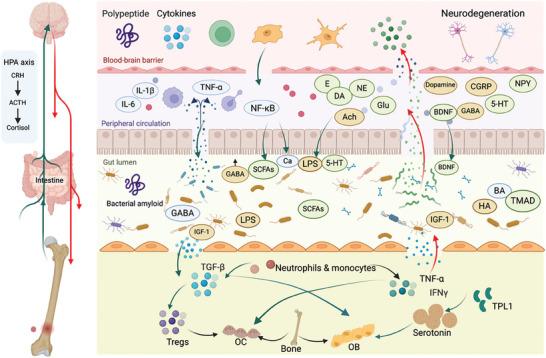
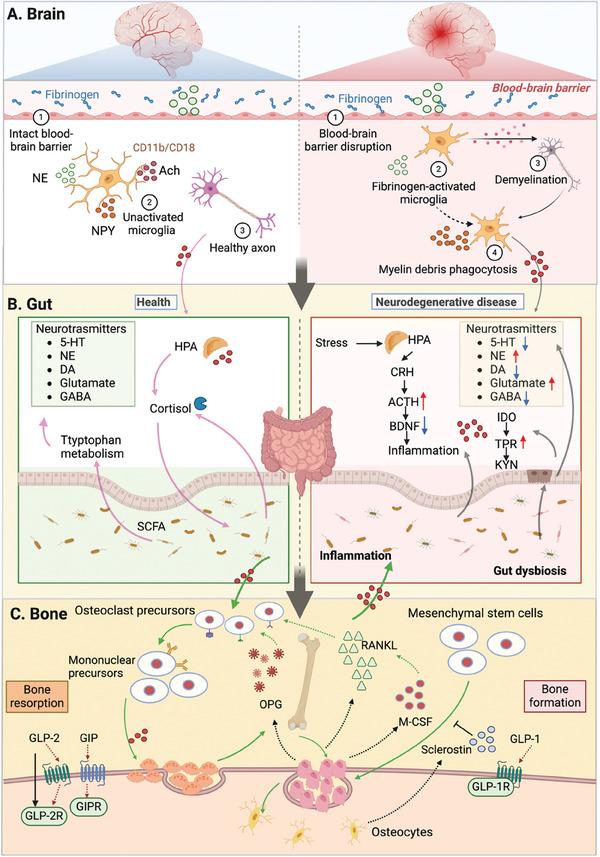
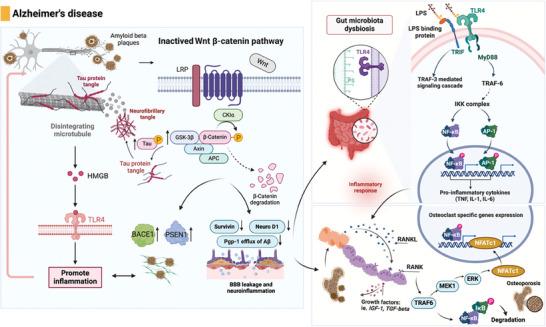
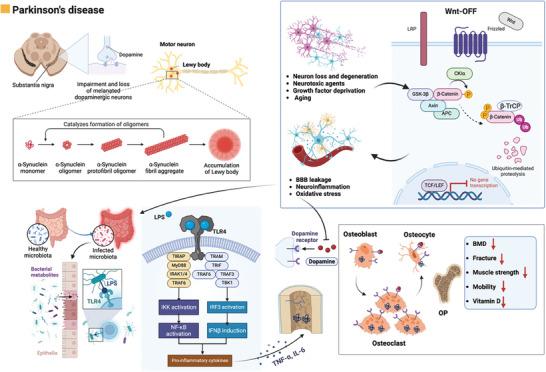
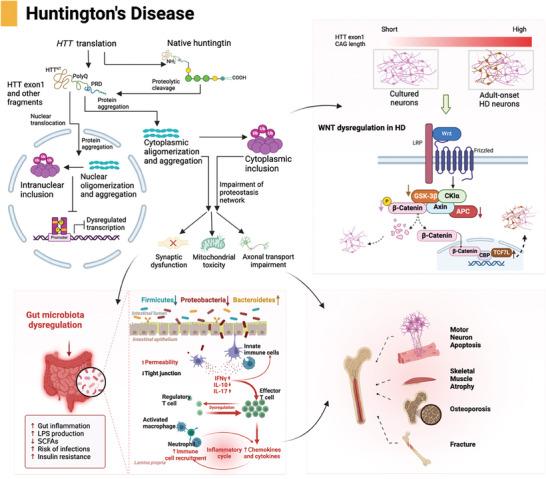
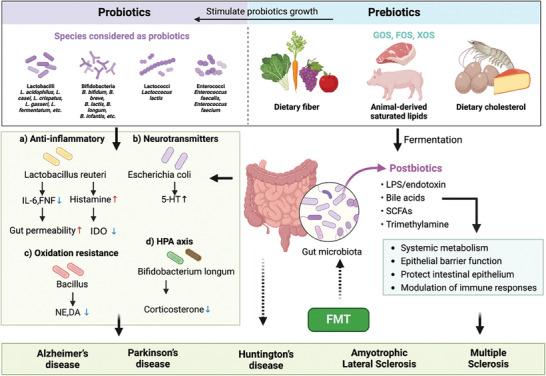
Neurodegenerative diseases are global health challenges characterized by the progressive degeneration of nerve cells, leading to cognitive and motor impairments. The brain-gut-bone axis, a complex network that modulates multiple physiological systems, has gained increasing attention owing to its profound effects on the occurrence and development of neurodegenerative diseases. No comprehensive review has been conducted to clarify the triangular relationship involving the brain-gut-bone axis and its potential for innovative therapies for neurodegenerative disorders. In light of this, a new perspective is aimed to propose on the interplay between the brain, gut, and bone systems, highlighting the potential of their dynamic communication in neurodegenerative diseases, as they modulate multiple physiological systems, including the nervous, immune, endocrine, and metabolic systems. Therapeutic strategies for maintaining the balance of the axis, including brain health regulation, intestinal microbiota regulation, and improving skeletal health, are also explored. The intricate physiological interactions within the brain-gut-bone axis pose a challenge in the development of effective treatments that can comprehensively target this system. Furthermore, the safety of these treatments requires further evaluation. This review offers a novel insights and strategies for the prevention and treatment of neurodegenerative diseases, which have important implications for clinical practice and patient well-being.
神经退行性疾病是全球性的健康挑战,其特征是神经细胞的进行性退化,导致认知和运动障碍。脑-肠-骨轴是一个调节多个生理系统的复杂网络,由于其对神经退行性疾病的发生和发展有深远的影响,因此越来越受到关注。目前还没有全面的综述来阐明涉及脑-肠-骨轴的三角关系及其在神经退行性疾病创新治疗中的潜力。有鉴于此,本文旨在提出一个新的视角,探讨脑、肠和骨骼系统之间的相互作用,强调它们在调节包括神经、免疫、内分泌和代谢系统在内的多个生理系统中的动态通讯在神经退行性疾病中的潜在作用。还探讨了维持轴平衡的治疗策略,包括脑健康调节、肠道微生物群调节和改善骨骼健康。脑-肠-骨轴内错综复杂的生理相互作用给开发能够全面针对该系统的有效治疗方法带来了挑战。此外,这些治疗方法的安全性还需要进一步评估。本综述为神经退行性疾病的预防和治疗提供了新的见解和策略,对临床实践和患者福祉具有重要意义。




 Zotero 插件