
肥胖诱导的微生物群变化与先天性免疫系统的变化相关,从而改变代谢相关脂肪性肝病的发展。
Bariatric-induced microbiome changes alter MASLD development in association with changes in the innate immune system.
作者信息
Shera Simer, Katzka William, Yang Julianne C, Chang Candace, Arias-Jayo Nerea, Lagishetty Venu, Balioukova Anna, Chen Yijun, Dutson Erik, Li Zhaoping, Mayer Emeran A, Pisegna Joseph R, Sanmiguel Claudia, Pawar Shrey, Zhang David, Leitman Madelaine, Hernandez Laura, Jacobs Jonathan P, Dong Tien S
机构信息
The Vatche and Tamar Manoukian Division of Digestive Diseases, Department of Medicine, David Geffen School of Medicine at UCLA, Los Angeles, CA, United States.
UCLA Microbiome Center, David Geffen School of Medicine at UCLA, Los Angeles, CA, United States.
出版信息
Front Microbiol. 2024 Aug 9;15:1407555. doi: 10.3389/fmicb.2024.1407555. eCollection 2024.
INTRODUCTION
Metabolic dysfunction-associated steatotic liver disease (MASLD) affects nearly 25% of the population and is the leading cause for liver-related mortality. Bariatric surgery is a well-known treatment for MASLD and obesity. Understanding the fundamental mechanisms by which bariatric surgery can alter MASLD can lead to new avenues of therapy and research. Previous studies have identified the microbiome's role in bariatric surgery and in inflammatory immune cell populations. The host innate immune system modulates hepatic inflammation and fibrosis, and thus the progression of MASLD. The precise role of immune cell types in the pathogenesis of MASLD remains an active area of investigation. The aim of this study was to understand the interplay between microbiota composition post-bariatric surgery and the immune system in MASLD.
METHODS
Eighteen morbidly obese females undergoing sleeve gastrectomy were followed pre-and post-surgery. Stool from four patients, showing resolved MASLD post-surgery with sustained weight loss, was transplanted into antibiotic treated mice. Mice received pre-or post-surgery stool and were fed a standard or high-fat diet. Bodyweight, food intake, and physiological parameters were tracked weekly. Metabolic parameters were measured post-study termination.
RESULTS
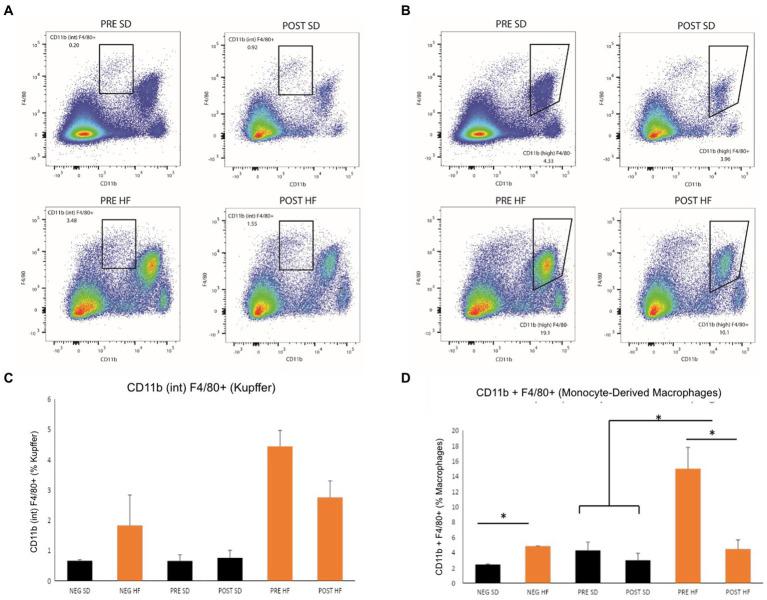
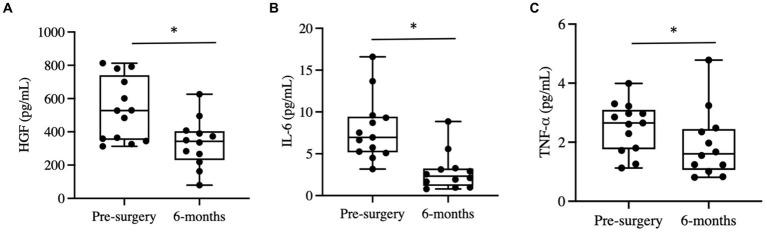
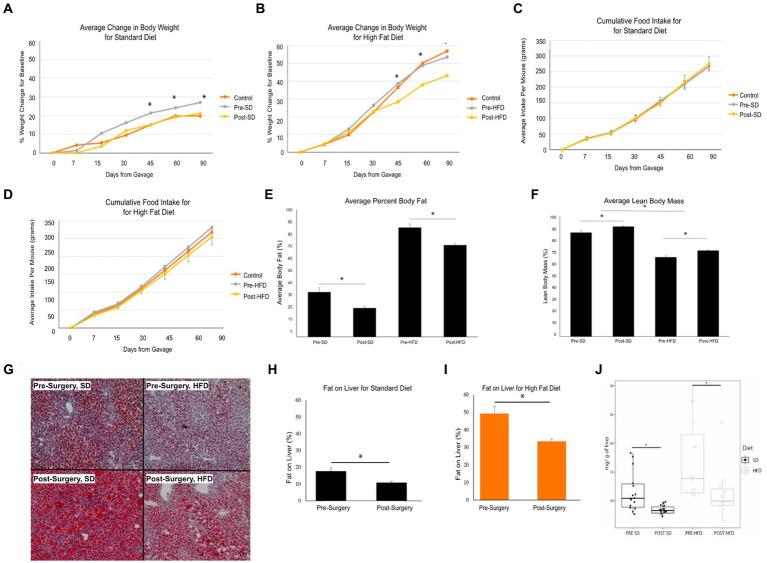
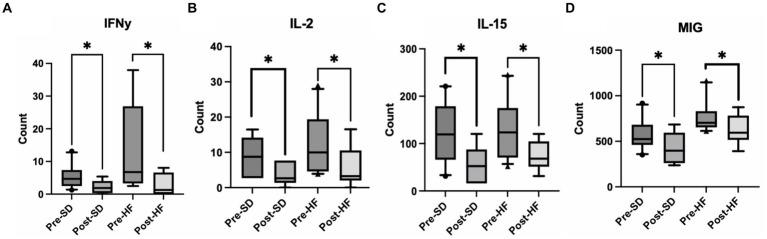
The human study revealed that bariatric surgery led to significant weight loss ( > 0.05), decreased inflammatory markers, and improved glucose levels six months post-surgery. Patients with weight loss of 20% or more showed distinct changes in blood metabolites and gut microbiome composition, notably an increase in . The mouse model confirmed surgery-induced microbiome changes to be a major factor in the reduction of markers and attenuation of MASLD progression. Mice receiving post-surgery fecal transplants had significantly less weight gain and liver steatosis compared to pre-surgery recipients. There was also a significant decrease in inflammatory cytokines interferon gamma, interleukin 2, interleukin 15, and mig. This was accompanied by alterations in liver immunophenotype, including an increase in natural killer T cells and reduction of Kupfer cells in the post-surgery transplant group.
DISCUSSION
Our findings suggest surgery induced microbial changes significantly reduce inflammatory markers and fatty liver progression. The results indicate a potential causal link between the microbiome and the host immune system, possibly mediated through modulation of liver NKT and Kupffer cells.
引言
代谢功能障碍相关脂肪性肝病(MASLD)影响着近25%的人口,是肝脏相关死亡率的主要原因。减肥手术是治疗MASLD和肥胖症的一种知名方法。了解减肥手术改变MASLD的基本机制可以为治疗和研究开辟新途径。先前的研究已经确定了微生物群在减肥手术以及炎症免疫细胞群体中的作用。宿主先天免疫系统调节肝脏炎症和纤维化,进而影响MASLD的进展。免疫细胞类型在MASLD发病机制中的具体作用仍是一个活跃的研究领域。本研究的目的是了解减肥手术后微生物群组成与MASLD免疫系统之间的相互作用。
方法
对18名接受袖状胃切除术的病态肥胖女性在手术前后进行跟踪。将4名患者术后MASLD得到缓解且体重持续减轻的粪便移植到用抗生素处理过的小鼠体内。小鼠接受术前或术后粪便,并喂食标准或高脂饮食。每周跟踪体重、食物摄入量和生理参数。在研究结束后测量代谢参数。
结果
人体研究表明,减肥手术导致体重显著减轻(>0.05),炎症标志物减少,术后六个月血糖水平改善。体重减轻20%或更多的患者血液代谢物和肠道微生物群组成出现明显变化,尤其是[此处原文缺失具体增加的内容]增加。小鼠模型证实,手术引起的微生物群变化是降低标志物和减轻MASLD进展的主要因素。与接受术前粪便移植的小鼠相比,接受术后粪便移植的小鼠体重增加和肝脏脂肪变性明显减少。炎症细胞因子干扰素γ、白细胞介素2、白细胞介素15和mig也显著减少。这伴随着肝脏免疫表型的改变,包括术后移植组中自然杀伤T细胞增加和库普弗细胞减少。
讨论
我们的研究结果表明,手术引起的微生物变化显著降低了炎症标志物和脂肪肝的进展。结果表明微生物群与宿主免疫系统之间可能存在因果联系,可能是通过调节肝脏NKT细胞和库普弗细胞介导的。



 Zotero 插件