
仿生纳米载体在癌症治疗中的应用:基于细胞间和细胞-肿瘤微环境通讯。
Biomimetic nanocarriers in cancer therapy: based on intercellular and cell-tumor microenvironment communication.
机构信息
College of Pharmacy, Shandong University of Traditional Chinese Medicine, Jinan, 250355, China.
Department of Pharmacy, Fudan University Shanghai Cancer Center, Shanghai, 200032, China.
出版信息
J Nanobiotechnology. 2024 Oct 6;22(1):604. doi: 10.1186/s12951-024-02835-4.
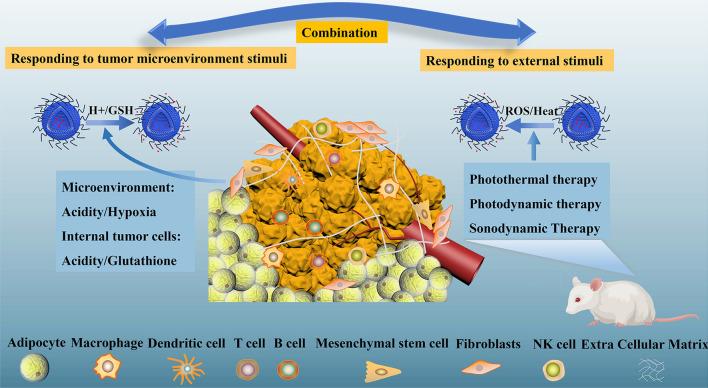
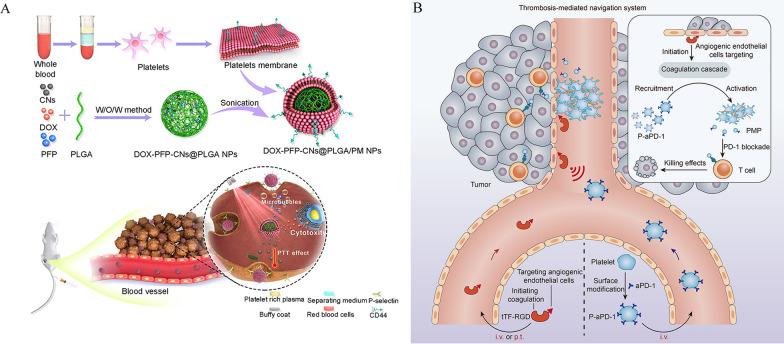
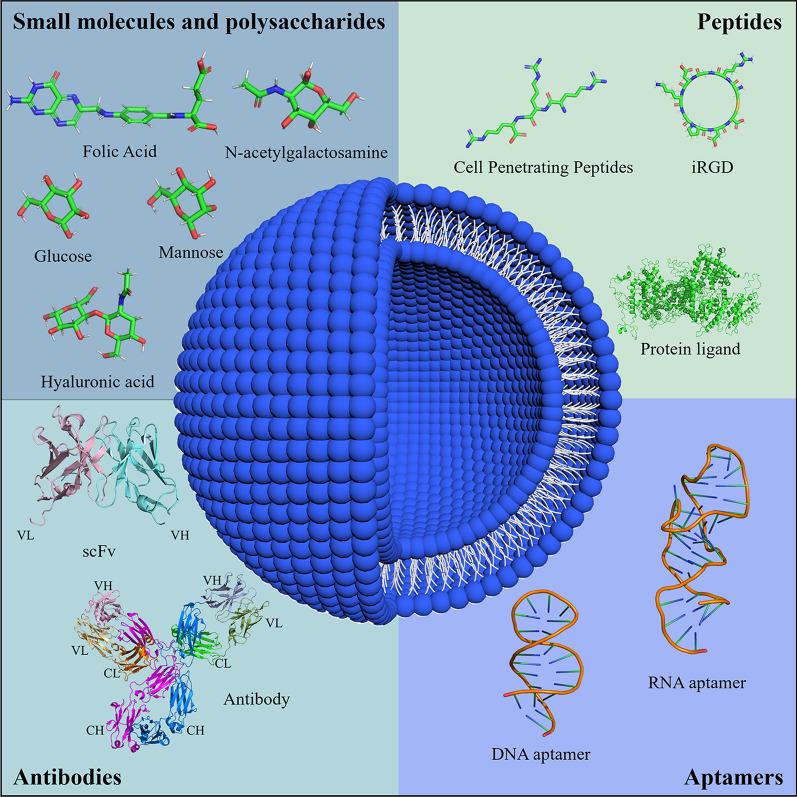
Inspired by the concept of "natural camouflage," biomimetic drug delivery systems have emerged to address the limitations of traditional synthetic nanocarriers, such as poor targeting, susceptibility to identification and clearance, inadequate biocompatibility, low permeability, and systemic toxicity. Biomimetic nanocarriers retain the proteins, nucleic acids, and other components of the parent cells. They not only facilitate drug delivery but also serve as communication media to inhibit tumor cells. This paper delves into the communication mechanisms between various cell-derived biomimetic nanocarriers, tumor cells, and the tumor microenvironment, as well as their applications in drug delivery. In addition, the additional communication capabilities conferred on the modified biomimetic nanocarriers, such as targeting and environmental responsiveness, are outlined. Finally, we propose future development directions for biomimetic nanocarriers, hoping to inspire researchers in their design efforts and ultimately achieve clinical translation.
受“自然伪装”概念的启发,仿生药物传递系统应运而生,以解决传统合成纳米载体的局限性,如靶向性差、易被识别和清除、生物相容性不足、通透性低和全身毒性等。仿生纳米载体保留了母体细胞的蛋白质、核酸和其他成分。它们不仅有助于药物传递,还可以作为抑制肿瘤细胞的通讯介质。本文深入探讨了各种细胞衍生的仿生纳米载体、肿瘤细胞和肿瘤微环境之间的通讯机制,以及它们在药物传递中的应用。此外,还概述了修饰后的仿生纳米载体赋予的额外通讯能力,如靶向性和环境响应性。最后,我们提出了仿生纳米载体的未来发展方向,希望能激发研究人员的设计灵感,最终实现临床转化。



 Zotero 插件