
欧洲国家在疫苗接种背景下针对新冠病毒的政策应对措施。
European countries policy responses against SARS-Cov-2 in the context of vaccinations.
作者信息
Agosto Arianna, Cerchiello Paola, Eisenberg Siegfried, Czypionka Thomas
机构信息
Dep. of Economics and Management, University of Pavia, 27100, Pavia, Italy.
Institute for Advanced Studies, Research Group Health Systems and Health Policy, Vienna, Austria.
出版信息
Sci Rep. 2025 Aug 18;15(1):30189. doi: 10.1038/s41598-025-11881-3.
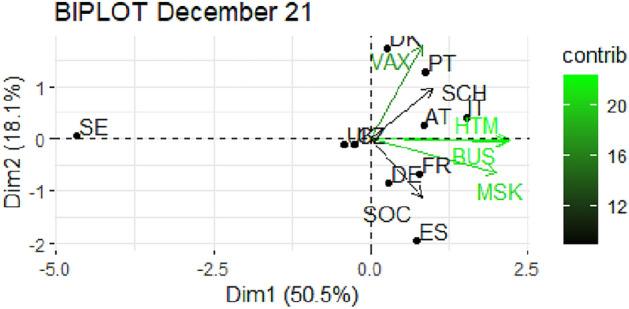
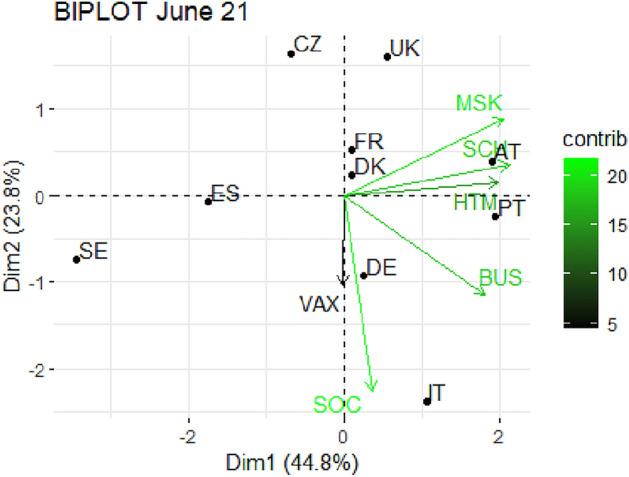
Non-pharmaceutical interventions (NPIs) are essential tools for containing or mitigating the spread of a novel virus until vaccination becomes available. Given their well-known side effects, NPIs should be employed only as long as necessary and largely replaced by population immunity through vaccination. During the SARS-CoV-2 pandemic, countries adopted various strategies for implementing NPIs and administering vaccinations. While differences in NPIs and vaccination strategies among countries have been descriptively illustrated, they have not yet been quantified. This study aims to quantitatively analyze the differences in NPIs across 10 European countries immediately after vaccinations became available.
在疫苗可用之前,非药物干预措施(NPIs)是控制或减轻新型病毒传播的重要工具。鉴于其众所周知的副作用,NPIs应仅在必要时使用,并在很大程度上由通过疫苗接种产生的群体免疫所取代。在新冠疫情期间,各国采取了各种实施NPIs和接种疫苗的策略。虽然各国在NPIs和疫苗接种策略上的差异已有描述性说明,但尚未进行量化。本研究旨在对10个欧洲国家在疫苗可用后立即实施的NPIs差异进行定量分析。




 Zotero 插件