
将编码新冠病毒刺突蛋白和核衣壳蛋白的信使核糖核酸(mRNAs)进行单细胞光转染导入人星形胶质细胞会导致RNA依赖性翻译干扰。
Single cell phototransfection of mRNAs encoding SARS-CoV2 spike and nucleocapsid into human astrocytes results in RNA dependent translation interference.
作者信息
Kim Hyun-Bum, Brosseau Quentin, Radzio Julia, Wang Jinhui, Muramatsu Hiromi, Kuang Da, Grady M Sean, Chen H Isaac, Wolf John A, Ulyanova Alexandra V, Bartfai Tamas, Kim Junhyong, Pardi Norbert, Sul Jai-Yoon, Arratia Paulo, Eberwine James
机构信息
Department of Systems Pharmacology and Translational Therapeutics, University of Pennsylvania, Philadelphia, PA, United States.
Department of Mechanical Engineering and Applied Mechanics, University of Pennsylvania, Philadelphia, PA, United States.
出版信息
Front Drug Deliv. 2024 Mar 5;4:1359700. doi: 10.3389/fddev.2024.1359700. eCollection 2024.
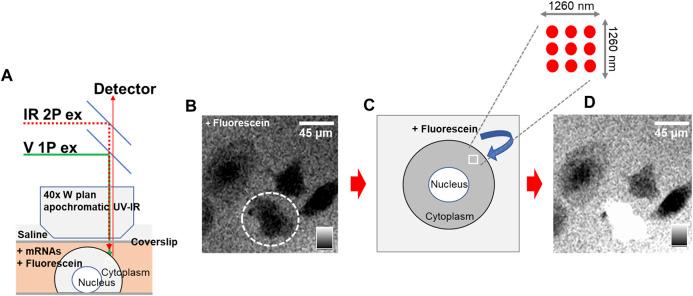
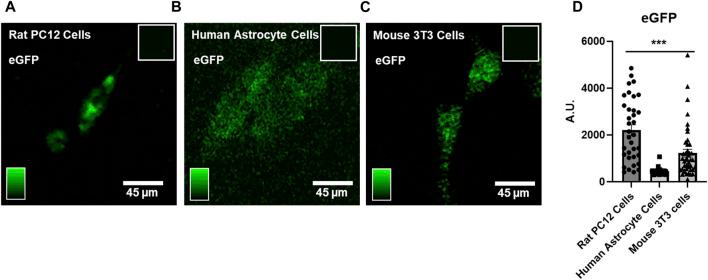
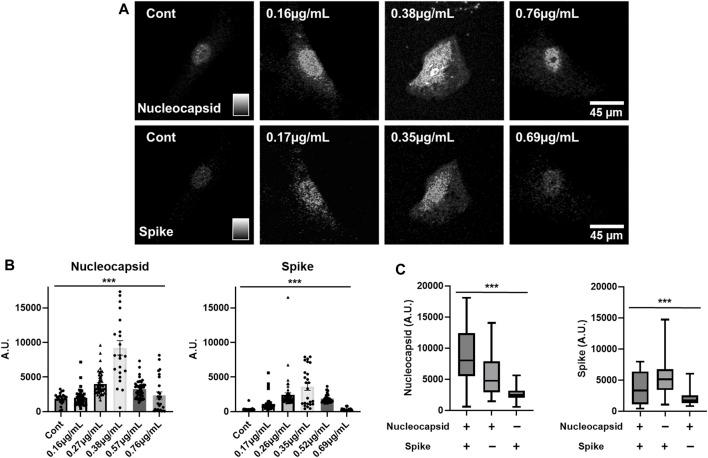
Multi-RNA co-transfection is starting to be employed to stimulate immune responses to SARS-CoV-2 viral infection. While there are good reasons to utilize such an approach, there is little background on whether there are synergistic RNA-dependent cellular effects. To address this issue, we use transcriptome-induced phenotype remodeling (TIPeR) via phototransfection to assess whether mRNAs encoding the Spike and Nucleocapsid proteins of SARS-CoV-2 virus into single human astrocytes (an endogenous human cell host for the virus) and mouse 3T3 cells (often used in high-throughput therapeutic screens) synergistically impact host cell biologies. An RNA concentration-dependent expression was observed where an increase of RNA by less than 2-fold results in reduced expression of each individual RNAs. Further, a dominant inhibitory effect of Nucleocapsid RNA upon Spike RNA translation was detected that is distinct from codon-mediated epistasis. Knowledge of the cellular consequences of multi-RNA transfection will aid in selecting RNA concentrations that will maximize antigen presentation on host cell surface with the goal of eliciting a robust immune response. Further, application of this single cell stoichiometrically tunable RNA functional genomics approach to the study of SARS-CoV-2 biology promises to provide details of the cellular sequalae that arise upon infection in anticipation of providing novel targets for inhibition of viral replication and propagation for therapeutic intervention.
多RNA共转染开始被用于刺激针对严重急性呼吸综合征冠状病毒2(SARS-CoV-2)病毒感染的免疫反应。虽然有充分理由采用这种方法,但关于是否存在协同的RNA依赖性细胞效应的背景信息却很少。为了解决这个问题,我们通过光转染利用转录组诱导的表型重塑(TIPeR)来评估将编码SARS-CoV-2病毒刺突蛋白和核衣壳蛋白的mRNA导入单个人类星形胶质细胞(该病毒的一种内源性人类细胞宿主)和小鼠3T3细胞(常用于高通量治疗筛选)是否会协同影响宿主细胞生物学特性。观察到一种RNA浓度依赖性表达,即RNA增加不到2倍会导致每个单独RNA的表达降低。此外,检测到核衣壳RNA对刺突RNA翻译具有显性抑制作用,这与密码子介导的上位性不同。了解多RNA转染的细胞后果将有助于选择能够使宿主细胞表面抗原呈递最大化的RNA浓度,以引发强烈的免疫反应。此外,将这种单细胞化学计量可调的RNA功能基因组学方法应用于SARS-CoV-2生物学研究有望提供感染后出现的细胞后遗症的详细信息,以期为抑制病毒复制和传播提供新的治疗干预靶点。

 Zotero 插件