
一项关于影响12岁以下儿童免疫接种依从性因素的系统综述。
A systematic review on factors influencing immunisation adherence among children under 12 years of age.
作者信息
Lockett Bridgette, Willemse Juliana J, Modeste Rugira M
机构信息
School of Nursing, Faculty of Community and Health Sciences, University of the Western Cape, Cape Town, South Africa.
Department of Nursing and Midwifery, Faculty of Medicine and Health Sciences, Stellenbosch University, Cape Town, South Africa.
出版信息
Health SA. 2025 Aug 29;30:2864. doi: 10.4102/hsag.v30i0.2864. eCollection 2025.
BACKGROUND
Immunisation is crucial for preventing the spread of infectious diseases; yet, adherence remains a global challenge, particularly among children under 12. Understanding the multifaceted factors influencing vaccination adherence is essential for improving coverage rates and reducing the burden of vaccine-preventable diseases.
AIM
This study aimed to develop a support intervention for improvement in childhood immunisation adherence in South Africa.
METHODS
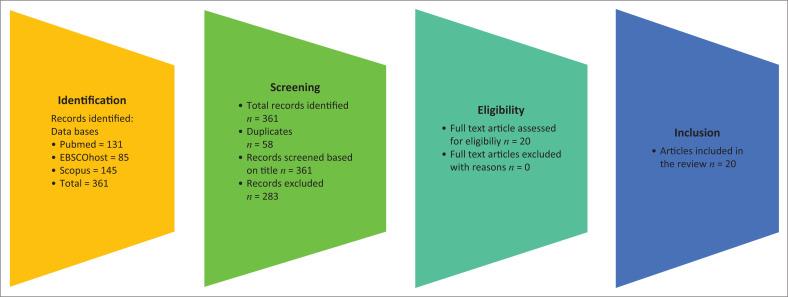
Following the Preferred Reporting Items for Systematic reviews and Meta-Analyses guidelines, a comprehensive search was conducted across multiple databases. The Patient (problem or population); Intervention; Comparison, control or comparator and Outcome(s) framework guided the research question formulation and search strategy. Included studies were published between 2013 and 2023, focusing on children under 12. Data were extracted and categorised into domains affecting immunisation adherence. Quality assessment was performed using the mixed methods appraisal tool.
RESULTS
The review identified five major domains influencing immunisation adherence: socioeconomic factors, health system factors, vaccine beliefs and attitudes, cultural and social factors, and communication and information factors.
CONCLUSION
This review highlights the complex interplay of factors affecting childhood vaccination adherence. Critical areas for intervention include tailored communication strategies, addressing vaccine hesitancy, enhancing immunisation accessibility and leveraging digital technologies for vaccine promotion.
CONTRIBUTION
These insights can guide evidence-based strategies to improve immunisation adherence and inform policy in the evolving landscape of global public health.
背景
免疫接种对于预防传染病传播至关重要;然而,依从性仍然是一项全球性挑战,尤其是在12岁以下儿童中。了解影响疫苗接种依从性的多方面因素对于提高覆盖率和减轻疫苗可预防疾病的负担至关重要。
目的
本研究旨在开发一种支持性干预措施,以提高南非儿童免疫接种的依从性。
方法
按照系统评价和Meta分析的首选报告项目指南,在多个数据库中进行了全面检索。患者(问题或人群);干预措施;比较、对照或对比组以及结果框架指导了研究问题的制定和检索策略。纳入的研究发表于2013年至2023年之间,重点关注12岁以下儿童。提取数据并将其分类为影响免疫接种依从性的领域。使用混合方法评估工具进行质量评估。
结果
该综述确定了影响免疫接种依从性的五个主要领域:社会经济因素、卫生系统因素、疫苗信念和态度、文化和社会因素以及沟通和信息因素。
结论
本综述强调了影响儿童疫苗接种依从性的因素之间的复杂相互作用。关键的干预领域包括量身定制的沟通策略、解决疫苗犹豫问题、提高免疫接种的可及性以及利用数字技术促进疫苗接种。
贡献
这些见解可为改善免疫接种依从性的循证策略提供指导,并为全球公共卫生不断变化的格局中的政策提供参考。
 Zotero 插件