
靶向抑制组蛋白赖氨酸去甲基化酶作为一种新型且有前景的抗癌治疗策略——近期证据更新
The Targeted Inhibition of Histone Lysine Demethylases as a Novel Promising Anti-Cancer Therapeutic Strategy-An Update on Recent Evidence.
作者信息
Paluszczak Jarosław, Kleszcz Robert
机构信息
Department of Pharmaceutical Biochemistry, Poznan University of Medical Sciences, 60-806 Poznań, Poland.
出版信息
Cancers (Basel). 2025 Aug 27;17(17):2798. doi: 10.3390/cancers17172798.
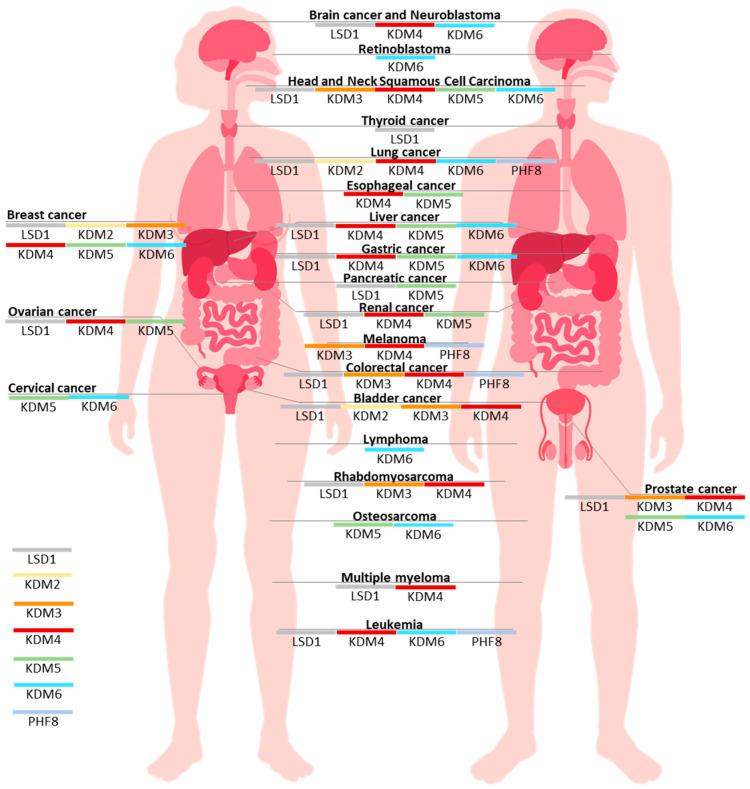
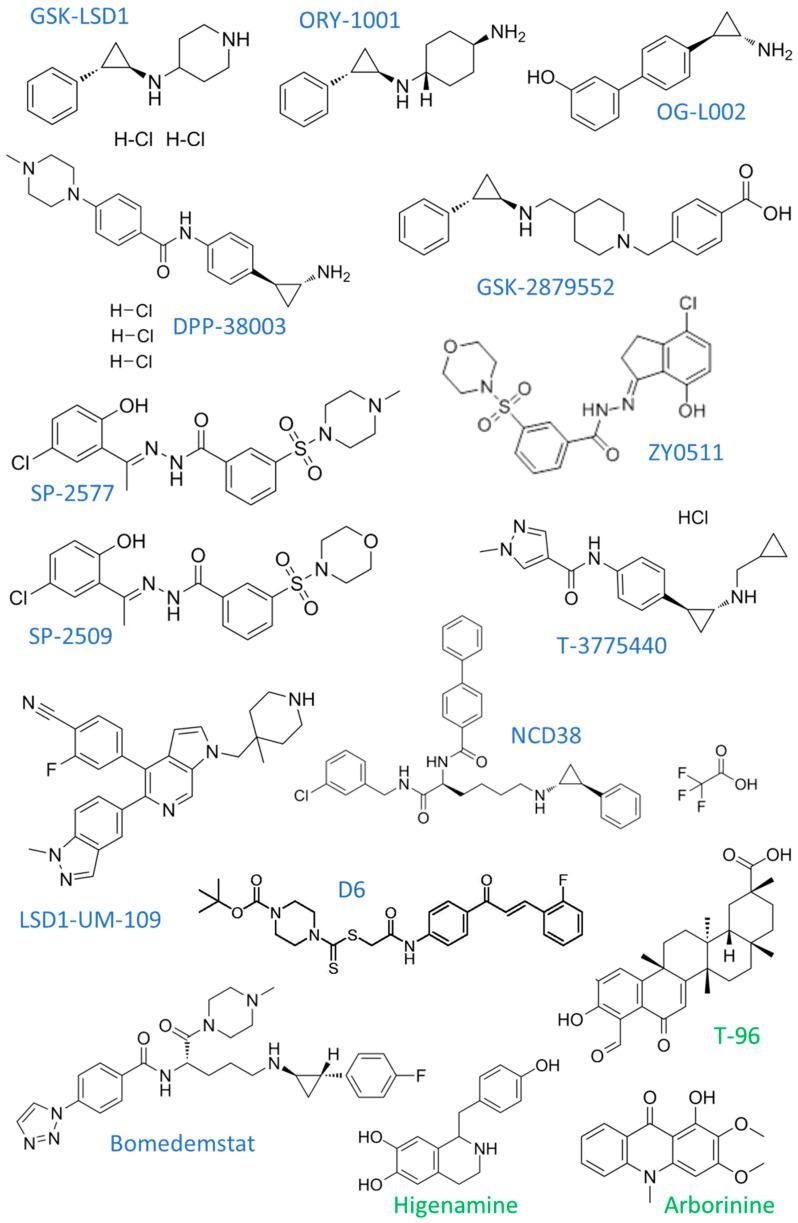
A growing body of evidence confirms that non-mutational epigenetic reprogramming constitutes an important hallmark of cancer, contributing to the heterogeneity and phenotypic plasticity observed in cancers. Among the many epigenetic modulators, histone lysine demethylases (KDMs) have emerged as promising targets for pharmacological inhibition in cancer treatment. KDMs were found to be frequently overexpressed and/or hyperactivated in cancer cells, and their inhibition was shown to result in the inhibition of cancer cell growth both in vitro and in vivo. The inhibition of Lysine-specific histone demethylase 1A (LSD1), KDM3, KDM4, KDM5, and KDM6 may affect cell survival, proliferation, motility, and apoptosis induction. Importantly, KDM inhibitors can be used as modulators of anti-cancer immune response and sensitivity to radiation and chemotherapy. This narrative review aims to present the most recent evidence documenting the anti-cancer potential of KDM inhibitors.
越来越多的证据证实,非突变性表观遗传重编程是癌症的一个重要标志,它导致了癌症中观察到的异质性和表型可塑性。在众多表观遗传调节剂中,组蛋白赖氨酸去甲基化酶(KDMs)已成为癌症治疗中药理学抑制的有前景的靶点。研究发现,KDMs在癌细胞中经常过度表达和/或过度激活,并且其抑制作用在体外和体内均显示出可导致癌细胞生长的抑制。抑制赖氨酸特异性组蛋白去甲基化酶1A(LSD1)、KDM3、KDM4、KDM5和KDM6可能会影响细胞存活、增殖、迁移和凋亡诱导。重要的是,KDM抑制剂可作为抗癌免疫反应以及对放疗和化疗敏感性的调节剂。这篇叙述性综述旨在介绍记录KDM抑制剂抗癌潜力的最新证据。


 Zotero 插件