
人巨细胞病毒感染个体中自然杀伤细胞对百日咳和H1N1流感疫苗抗原的反应受损。
Impaired NK Cell Responses to Pertussis and H1N1 Influenza Vaccine Antigens in Human Cytomegalovirus-Infected Individuals.
作者信息
Nielsen Carolyn M, White Matthew J, Bottomley Christian, Lusa Chiara, Rodríguez-Galán Ana, Turner Scarlett E G, Goodier Martin R, Riley Eleanor M
机构信息
Department of Immunology and Infection, London School of Hygiene and Tropical Medicine, London WC1E 7HT, United Kingdom; and.
Department of Infectious Disease Epidemiology, London School of Hygiene and Tropical Medicine, London WC1E 7HT, United Kingdom.
出版信息
J Immunol. 2015 May 15;194(10):4657-67. doi: 10.4049/jimmunol.1403080. Epub 2015 Apr 8.
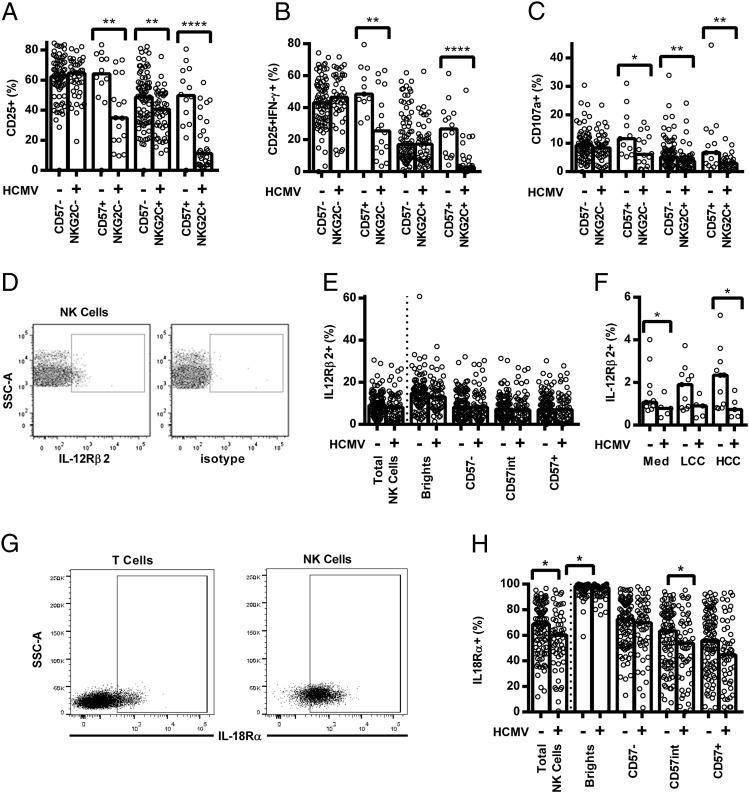
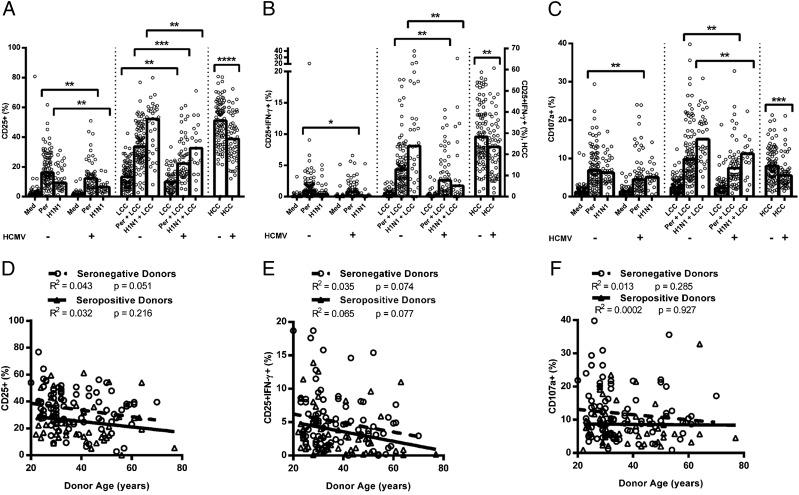
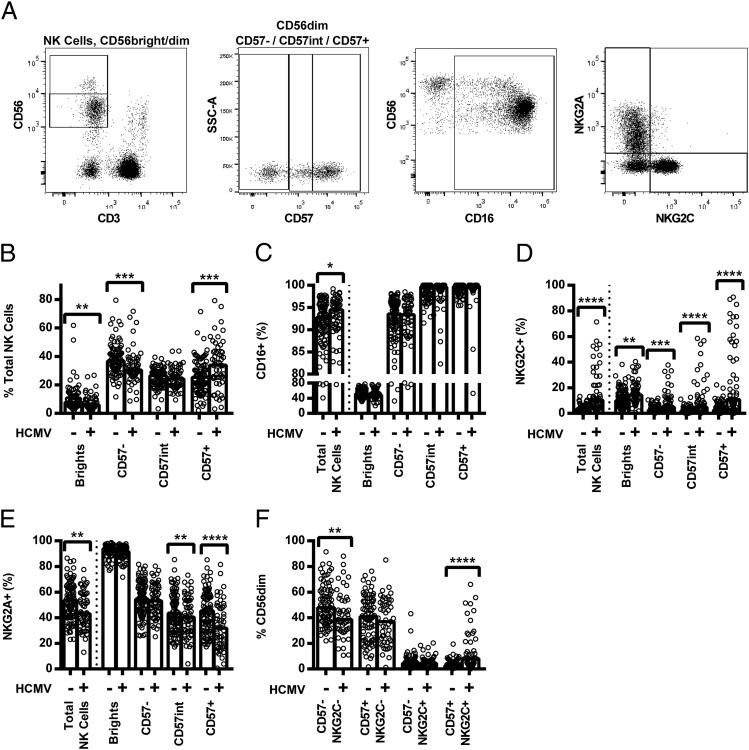
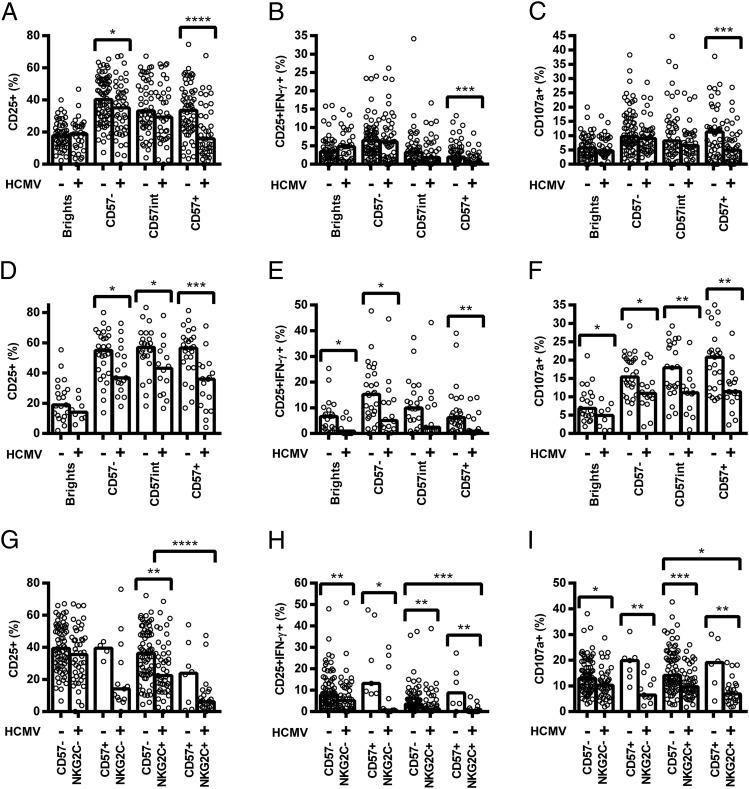
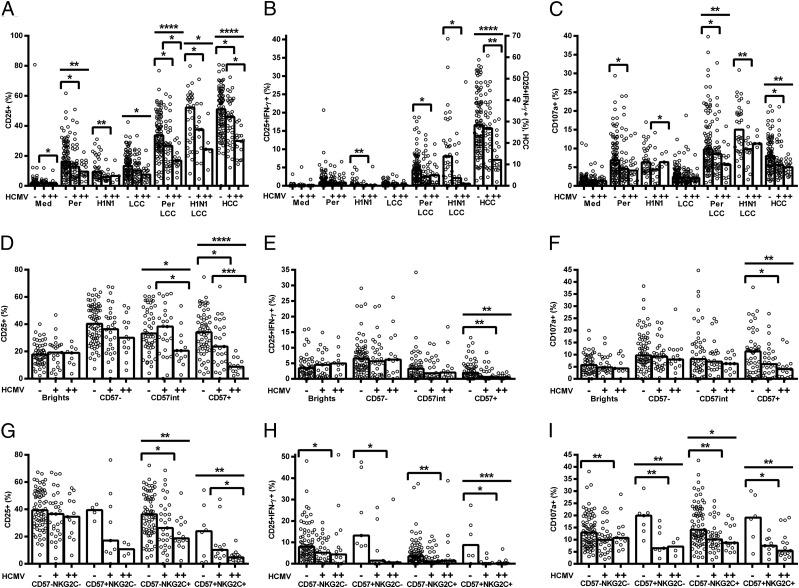
NK cells contribute to postvaccination immune responses after activation by IL-2 from Ag-specific memory T cells or by cross-linking of the low-affinity IgG receptor, CD16, by Ag-Ab immune complexes. Sensitivity of NK cells to these signals from the adaptive immune system is heterogeneous and influenced by their stage of differentiation. CD56(dim)CD57(+) NK cells are less responsive to IL-2 and produce less IFN-γ in response to T cell-mediated activation than do CD56(bright) or CD56(dim)CD57(-) NK cells. Conversely, NK cell cytotoxicity, as measured by degranulation, is maintained across the CD56(dim) subsets. Human CMV (HCMV), a highly prevalent herpes virus causing lifelong, usually latent, infections, drives the expansion of the CD56(dim)CD57(+)NKG2C(+) NK cell population, skewing the NK cell repertoire in favor of cytotoxic responses at the expense of cytokine-driven responses. We hypothesized, therefore, that HCMV seropositivity would be associated with altered NK cell responses to vaccine Ags. In a cross-sectional study of 152 U.K. adults, with HCMV seroprevalence rate of 36%, we find that HCMV seropositivity is associated with lower NK cell IFN-γ production and degranulation after in vitro restimulation with pertussis or H1N1 influenza vaccine Ags. Higher expression of CD57/NKG2C and lower expression of IL-18Rα on NK cells from HCMV seropositive subjects do not fully explain these impaired responses, which are likely the result of multiple receptor-ligand interactions. This study demonstrates for the first time, to our knowledge, that HCMV serostatus influences NK cell contributions to adaptive immunity and raises important questions regarding the impact of HCMV infection on vaccine efficacy.
自然杀伤(NK)细胞在被抗原特异性记忆T细胞分泌的白细胞介素-2(IL-2)激活后,或被抗原-抗体免疫复合物交联低亲和力IgG受体CD16后,会促进疫苗接种后的免疫反应。NK细胞对来自适应性免疫系统的这些信号的敏感性是异质性的,并且受其分化阶段的影响。与CD56(明亮型)或CD56(暗淡型)CD57(-)NK细胞相比,CD56(暗淡型)CD57(+)NK细胞对IL-2的反应性较低,并且在T细胞介导的激活后产生的γ干扰素较少。相反,通过脱颗粒测量的NK细胞细胞毒性在CD56(暗淡型)亚群中保持不变。人巨细胞病毒(HCMV)是一种高度流行的疱疹病毒,可引起终身(通常为潜伏性)感染,它驱动CD56(暗淡型)CD57(+)NKG2C(+)NK细胞群体的扩增,使NK细胞库偏向细胞毒性反应,而以细胞因子驱动的反应为代价。因此,我们推测HCMV血清阳性与NK细胞对疫苗抗原的反应改变有关。在一项对152名英国成年人的横断面研究中,HCMV血清阳性率为36%,我们发现HCMV血清阳性与用百日咳或H1N流感疫苗抗原进行体外再刺激后NK细胞γ干扰素产生减少和脱颗粒有关。来自HCMV血清阳性受试者的NK细胞上CD57/NKG2C的高表达和IL-18Rα的低表达并不能完全解释这些受损的反应,这些反应可能是多种受体-配体相互作用的结果。据我们所知,这项研究首次证明HCMV血清状态会影响NK细胞对适应性免疫的贡献,并提出了关于HCMV感染对疫苗效力影响的重要问题。

 Zotero 插件