
采采蝇媒介冈比亚按蚊体内布氏锥虫发育的转录组分析
Transcriptome Profiling of Trypanosoma brucei Development in the Tsetse Fly Vector Glossina morsitans.
作者信息
Savage Amy F, Kolev Nikolay G, Franklin Joseph B, Vigneron Aurelien, Aksoy Serap, Tschudi Christian
机构信息
Department of Epidemiology of Microbial Diseases, School of Public Health, Yale University, New Haven, Connecticut, United States of America.
Department of Cell Biology, School of Medicine, Yale University, New Haven, Connecticut, United States of America.
出版信息
PLoS One. 2016 Dec 21;11(12):e0168877. doi: 10.1371/journal.pone.0168877. eCollection 2016.
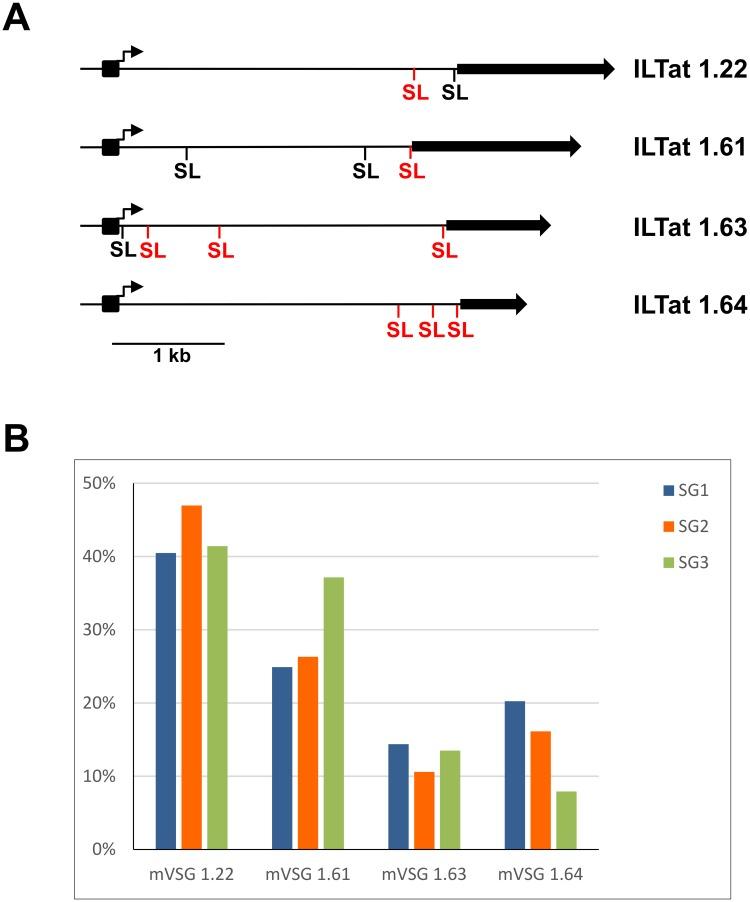
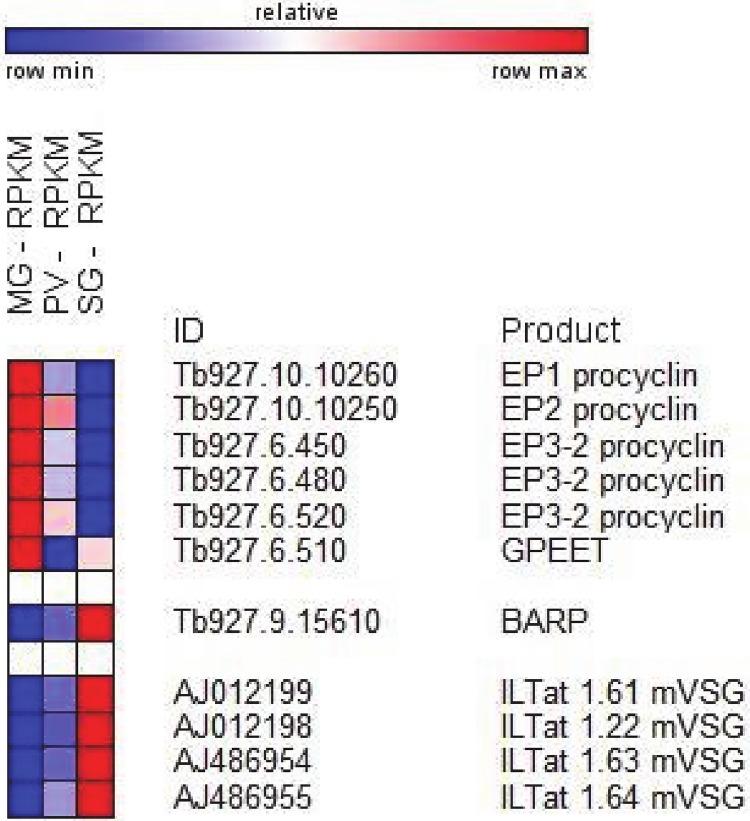
African trypanosomes, the causative agents of sleeping sickness in humans and nagana in animals, have a complex digenetic life cycle between a mammalian host and an insect vector, the blood-feeding tsetse fly. Although the importance of the insect vector to transmit the disease was first realized over a century ago, many aspects of trypanosome development in tsetse have not progressed beyond a morphological analysis, mainly due to considerable challenges to obtain sufficient material for molecular studies. Here, we used high-throughput RNA-Sequencing (RNA-Seq) to profile Trypanosoma brucei transcript levels in three distinct tissues of the tsetse fly, namely the midgut, proventriculus and salivary glands. Consistent with current knowledge and providing a proof of principle, transcripts coding for procyclin isoforms and several components of the cytochrome oxidase complex were highly up-regulated in the midgut transcriptome, whereas transcripts encoding metacyclic VSGs (mVSGs) and the surface coat protein brucei alanine rich protein or BARP were extremely up-regulated in the salivary gland transcriptome. Gene ontology analysis also supported the up-regulation of biological processes such as DNA metabolism and DNA replication in the proventriculus transcriptome and major changes in signal transduction and cyclic nucleotide metabolism in the salivary gland transcriptome. Our data highlight a small repertoire of expressed mVSGs and potential signaling pathways involving receptor-type adenylate cyclases and members of a surface carboxylate transporter family, called PADs (Proteins Associated with Differentiation), to cope with the changing environment, as well as RNA-binding proteins as a possible global regulators of gene expression.
非洲锥虫是人类昏睡病和动物那加那病的病原体,在哺乳动物宿主和昆虫媒介(吸血采采蝇)之间具有复杂的双宿主生命周期。尽管昆虫媒介传播疾病的重要性早在一个多世纪前就已被认识到,但采采蝇中锥虫发育的许多方面仍未超越形态学分析,主要是因为获取足够的分子研究材料面临相当大的挑战。在这里,我们使用高通量RNA测序(RNA-Seq)对采采蝇的三个不同组织,即中肠、前胃和唾液腺中的布氏锥虫转录水平进行了分析。与现有知识一致并提供了原理证明,编码前环素异构体和细胞色素氧化酶复合物几个组分的转录本在中肠转录组中高度上调,而编码循环后期VSG(mVSG)和表面被膜蛋白布氏富含丙氨酸蛋白或BARP的转录本在唾液腺转录组中极度上调。基因本体分析也支持前胃转录组中DNA代谢和DNA复制等生物学过程的上调以及唾液腺转录组中信号转导和环核苷酸代谢的重大变化。我们的数据突出了一小部分表达的mVSG以及涉及受体型腺苷酸环化酶和一个称为PADs(与分化相关的蛋白质)的表面羧酸盐转运蛋白家族成员的潜在信号通路,以应对不断变化的环境,以及RNA结合蛋白作为基因表达可能的全局调节因子。


 Zotero 插件