
中国分离的 4 株新型重组鸡传染性支气管炎病毒的遗传和生物学特性。
Genetic and biological characteristics of four novel recombinant avian infectious bronchitis viruses isolated in China.
机构信息
Division of Avian Infectious Diseases, State Key Laboratory of Veterinary Biotechnology, Harbin Veterinary Research Institute, the Chinese Academy of Agricultural Sciences, Harbin, 150001, People's Republic of China.
Division of Avian Infectious Diseases, State Key Laboratory of Veterinary Biotechnology, Harbin Veterinary Research Institute, the Chinese Academy of Agricultural Sciences, Harbin, 150001, People's Republic of China.
出版信息
Virus Res. 2019 Apr 2;263:87-97. doi: 10.1016/j.virusres.2019.01.007. Epub 2019 Jan 11.
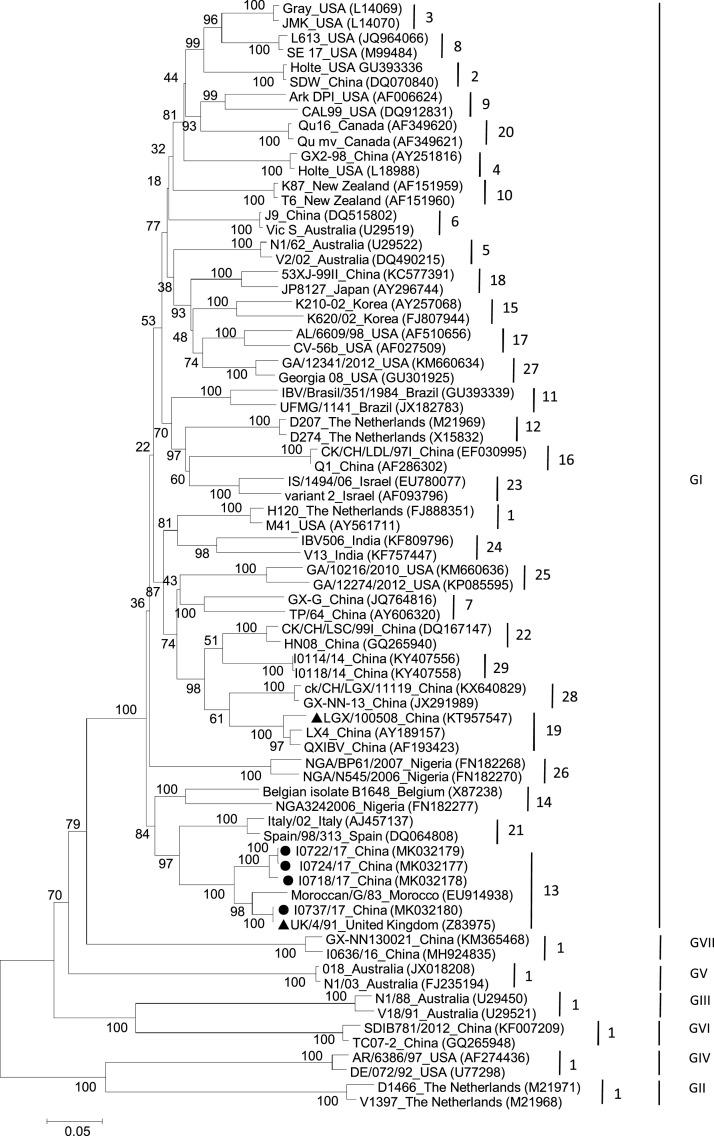
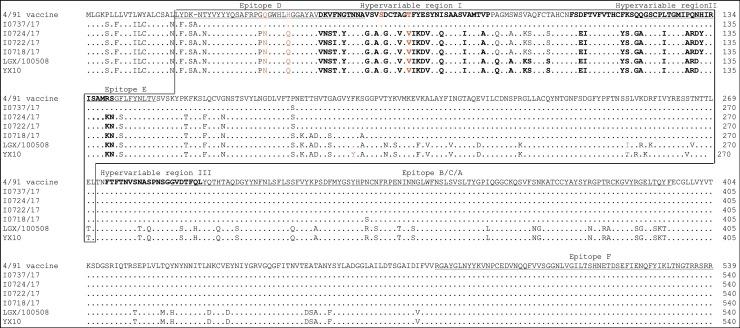
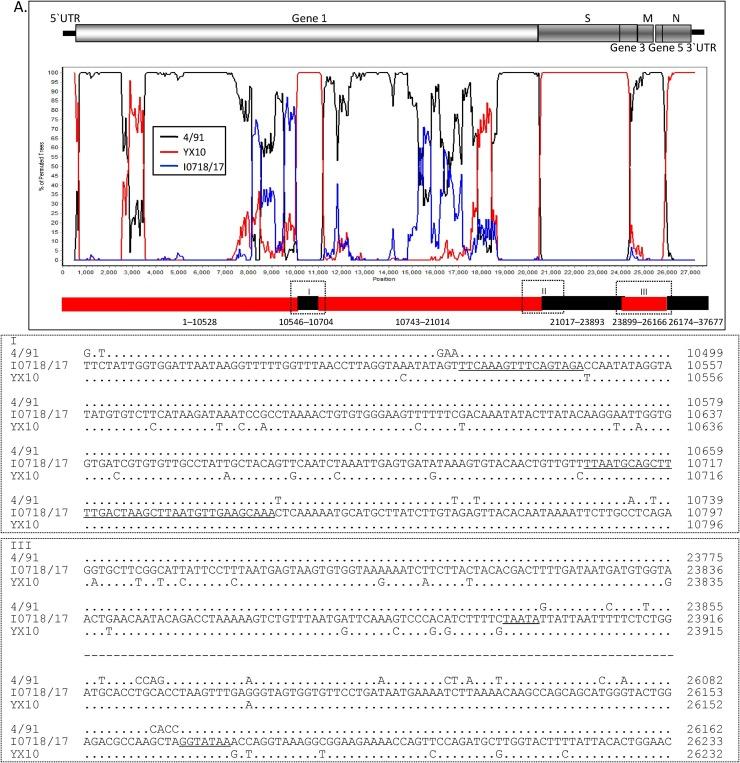
Infectious bronchitis viruses (IBVs) of GI-13 (793/B) and GI-19 (QX/LX4) lineages have been frequently detected in China in recent years. Naturally recombinant IBVs originating from the GI-13 and GI-19 lineages have also been isolated from chicken flocks with respiratory and renal problems in China. Thorough genetic and biological investigations of these recombinant viruses have led to speculation regarding their origin, evolution, and control. In order to confirm the previous results and further extend our understanding about the characteristics of the four recombinant IBV strains we had previously identified (I0718/17, I0722/17, I0724/17, and I0737/17), we conducted phylogenetic analysis by comparing their complete S1 gene sequences with those of 71 reference strains of different genotypes and lineages. We identified a close relationship between the S1 sequences of the four strains and those of GI-13 strains. The results of complete genome sequence analysis confirmed the previously identified recombination events in the four IBV strains and revealed additional recombination events in different genomic regions of strains I0718/17 and I0724/17, suggesting that the two strains originated from multiple recombination events between 4/91-like and YX10-like viruses. We comparatively evaluated the antigenicity, pathogenicity, and affinity of the four recombinant viruses and their deduced parental strains in the trachea and kidneys. Some of the strains showed comparable antigenic relatedness, pathogenicity, and affinity for the trachea and kidneys among each other and with their parental viruses; however, some of them showed varying biological characteristics. Point mutations observed in the receptor-binding domain and hypervariable region of the S1 subunit of the spike protein likely have an effect on these differences in biological characteristics, although the influence of other factors-such as host innate-immune responses and changes in genomic regions beyond the S1 protein-might also be responsible for such changes.
近年来,GI-13(793/B)和 GI-19(QX/LX4)谱系的传染性支气管炎病毒(IBV)在中国频繁检测到。源自 GI-13 和 GI-19 谱系的天然重组 IBV 也已从中国出现呼吸和肾脏问题的鸡群中分离出来。对这些重组病毒进行彻底的遗传和生物学研究,导致人们对其起源、进化和控制产生了猜测。为了确认以前的结果,并进一步扩展我们对之前鉴定的四种重组 IBV 株(I0718/17、I0722/17、I0724/17 和 I0737/17)的特征的理解,我们通过比较其完整 S1 基因序列与 71 个不同基因型和谱系的参考株的序列,进行了系统进化分析。我们发现这四种株的 S1 序列与 GI-13 株密切相关。全基因组序列分析结果证实了之前在四种 IBV 株中发现的重组事件,并在株 I0718/17 和 I0724/17 的不同基因组区域发现了额外的重组事件,表明这两个株系起源于 4/91 样和 YX10 样病毒之间的多次重组事件。我们比较评估了这四种重组病毒及其推导亲本株在气管和肾脏中的抗原性、致病性和亲和力。一些株彼此之间以及与其亲本病毒之间显示出相当的抗原相关性、致病性和对气管和肾脏的亲和力;然而,其中一些株表现出不同的生物学特征。在刺突蛋白 S1 亚单位的受体结合域和高变区观察到的点突变可能对这些生物学特征的差异有影响,尽管其他因素(如宿主先天免疫反应和 S1 蛋白以外的基因组区域的变化)也可能导致这种变化。




 Zotero 插件