
多能干细胞衍生类器官在神经退行性变过程中细胞外基质发育研究中的应用。
The Use of Pluripotent Stem Cell-Derived Organoids to Study Extracellular Matrix Development during Neural Degeneration.
机构信息
Department of Chemical and Biomedical Engineering, FAMU-FSU College of Engineering, Florida State University, Tallahassee, FL 32310, USA.
出版信息
Cells. 2019 Mar 14;8(3):242. doi: 10.3390/cells8030242.
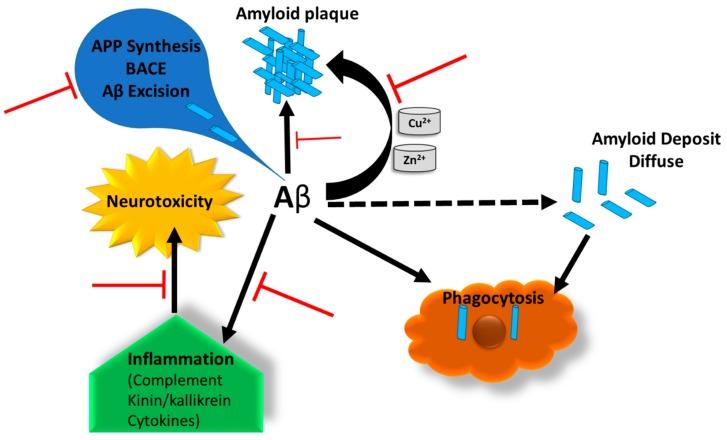
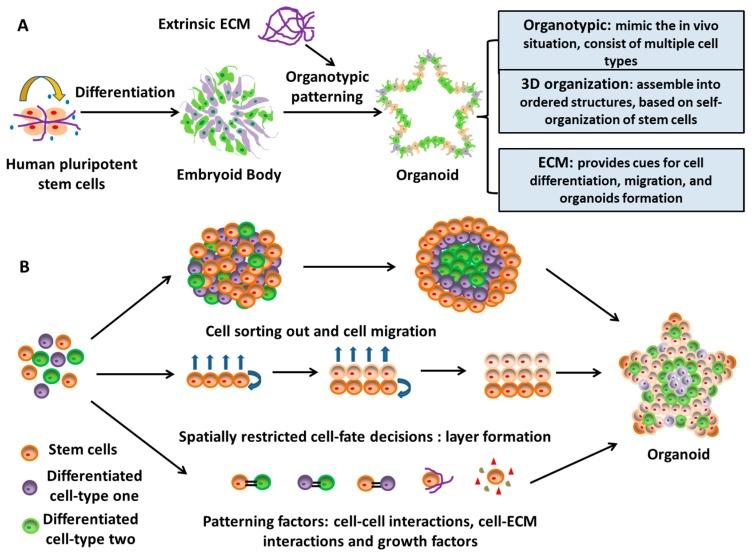
The mechanism that causes the Alzheimer's disease (AD) pathologies, including amyloid plaque, neurofibrillary tangles, and neuron death, is not well understood due to the lack of robust study models for human brain. Three-dimensional organoid systems based on human pluripotent stem cells (hPSCs) have shown a promising potential to model neurodegenerative diseases, including AD. These systems, in combination with engineering tools, allow in vitro generation of brain-like tissues that recapitulate complex cell-cell and cell-extracellular matrix (ECM) interactions. Brain ECMs play important roles in neural differentiation, proliferation, neuronal network, and AD progression. In this contribution related to brain ECMs, recent advances in modeling AD pathology and progression based on hPSC-derived neural cells, tissues, and brain organoids were reviewed and summarized. In addition, the roles of ECMs in neural differentiation of hPSCs and the influences of heparan sulfate proteoglycans, chondroitin sulfate proteoglycans, and hyaluronic acid on the progression of neurodegeneration were discussed. The advantages that use stem cell-based organoids to study neural degeneration and to investigate the effects of ECM development on the disease progression were highlighted. The contents of this article are significant for understanding cell-matrix interactions in stem cell microenvironment for treating neural degeneration.
阿尔茨海默病(AD)的发病机制包括淀粉样斑块、神经原纤维缠结和神经元死亡,由于缺乏针对人脑的强大研究模型,因此其机制仍不清楚。基于人多能干细胞(hPSC)的三维类器官系统在模拟神经退行性疾病方面显示出了巨大的潜力,包括 AD。这些系统与工程工具相结合,可以在体外生成类脑组织,重现复杂的细胞-细胞和细胞-细胞外基质(ECM)相互作用。脑 ECM 在神经分化、增殖、神经元网络和 AD 进展中发挥着重要作用。在与脑 ECM 相关的这篇文章中,综述和总结了基于 hPSC 衍生的神经细胞、组织和脑类器官来模拟 AD 病理和进展的最新进展。此外,还讨论了 ECM 在 hPSC 神经分化中的作用,以及硫酸乙酰肝素蛋白聚糖、硫酸软骨素蛋白聚糖和透明质酸对神经退行性变进展的影响。强调了使用基于干细胞的类器官来研究神经退行性变以及研究 ECM 发育对疾病进展的影响的优势。本文的内容对于理解治疗神经退行性变的干细胞微环境中的细胞-基质相互作用具有重要意义。



 Zotero 插件