
SARS-CoV-2 可能通过依赖钙的 RGD-整联蛋白相互作用与宿主细胞结合,这提示肺部 EDTA 螯合疗法可能是 COVID-19 的一种新的治疗方法。
SARS-CoV-2 attachment to host cells is possibly mediated via RGD-integrin interaction in a calcium-dependent manner and suggests pulmonary EDTA chelation therapy as a novel treatment for COVID 19.
机构信息
Genome and Computational Biology Lab, Department of Biotechnology, Mohanlal Sukhadia University, Udaipur 313001, Rajasthan, India.
出版信息
Immunobiology. 2021 Jan;226(1):152021. doi: 10.1016/j.imbio.2020.152021. Epub 2020 Nov 5.
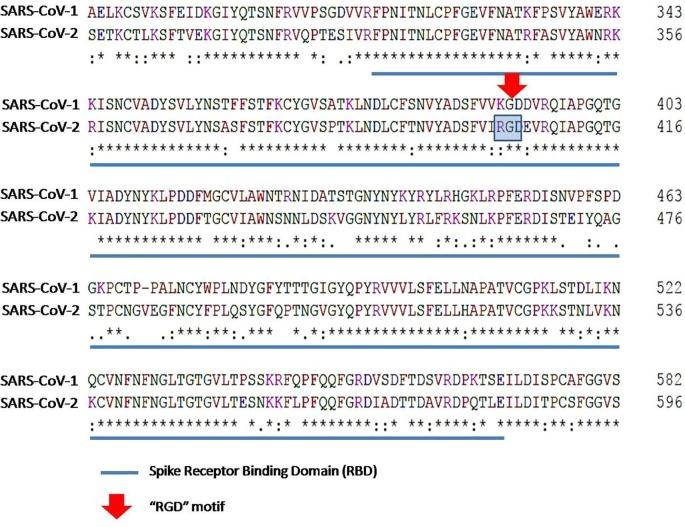
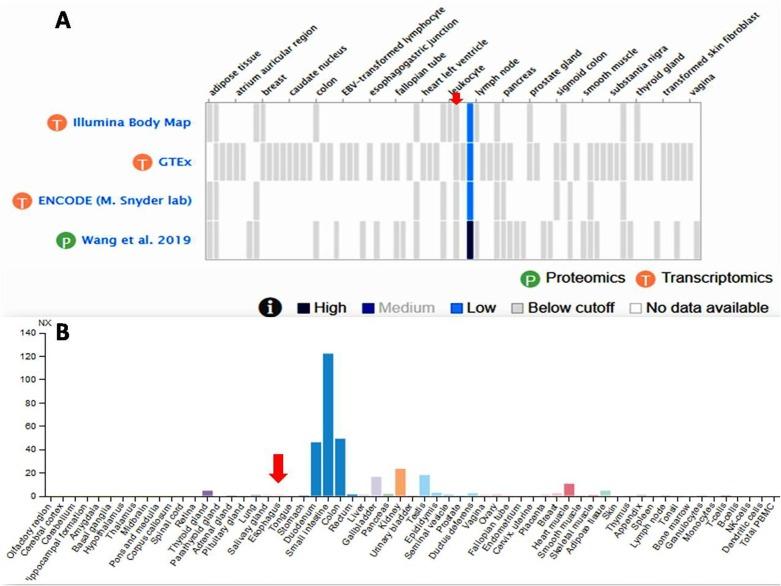
SARS-CoV-2 is a highly contagious virus that has caused serious health crisis world-wide resulting into a pandemic situation. As per the literature, the SARS-CoV-2 is known to exploit humanACE2 receptors (similar toprevious SARS-CoV-1) for gaining entry into the host cell for invasion, infection, multiplication and pathogenesis. However, considering the higher infectivity of SARS-CoV-2 along with the complex etiology and pathophysiological outcomes seen in COVID-19 patients, it seems that there may be an alternate receptor for SARS-CoV-2. I performed comparative protein sequence analysis, database based gene expression profiling, bioinformatics based molecular docking using authentic tools and techniques for unveiling the molecular basis of high infectivity of SARS-CoV-2 as compared to previous known coronaviruses. My study revealed that SARS-CoV-2 (previously known as 2019-nCoV) harbors a RGD motif in its receptor binding domain (RBD) and the motif is absent in all other previously known SARS-CoVs. The RGD motif is well known for its role in cell-attachment and cell-adhesion. My hypothesis is that the SARS-CoV-2 may be (via RGD) exploiting integrins, that have high expression in lungs and all other vital organs, for invading host cells. However, an experimental verification is required. The expression of ACE2, which is a known receptor for SARS-CoV-2, was found to be negligible in lungs. I assume that higher infectivity of SARS-CoV-2 could be due to this RGD-integrin mediated acquired cell-adhesive property. Gene expression profiling revealed that expression of integrins is significantly high in lung cells, in particular αvβ6, α5β1, αvβ8 and an ECM protein, ICAM1. The molecular docking experiment showed the RBD of spike protein binds with integrins precisely at RGD motif in a similar manner as a synthetic RGD peptide binds to integrins as found by other researchers. SARS-CoV-2 spike protein has a number of phosphorylation sites that can induce cAMP, PKC, Tyr signaling pathways. These pathways either activate calcium ion channels or get activated by calcium. In fact, integrins have calcium & metal binding sites that were predicted around and in vicinity of RGD-integrin docking site in our analysis which suggests that RGD-integrins interaction possibly occurs in calcium-dependent manner. The higher expression of integrins in lungs along with their previously known high binding affinity (K = 4.0 nM) for virus RGD motif could serve as a possible explanation for high infectivity of SARS-CoV-2. On the contrary, human ACE2 has lower expression in lungs and its high binding affinity (K = 15 nM) for spike RBD alone could not manifest significant virus-host attachment. This suggests that besides human ACE2, an additional or alternate receptor for SARS-CoV-2 is likely to exist. A highly relevant evidence never reported earlier which corroborate in favor of RGD-integrins mediated virus-host attachment is an unleashed cytokine storm which causes due to activation of TNF-α and IL-6 activation; and integrins role in their activation is also well established. Altogether, the current study has highlighted possible role of calcium and other divalent ions in RGD-integrins interaction for virus invasion into host cells and suggested that lowering divalent ion in lungs could avert virus-host cells attachment.
SARS-CoV-2 是一种高度传染性的病毒,已在全球范围内引发严重的健康危机,导致大流行。根据文献,已知 SARS-CoV-2 利用人类 ACE2 受体(与之前的 SARS-CoV-1 相似)进入宿主细胞进行入侵、感染、增殖和发病机制。然而,考虑到 SARS-CoV-2 更高的传染性以及 COVID-19 患者中复杂的病因和病理生理结果,似乎可能存在 SARS-CoV-2 的替代受体。我使用真实工具和技术进行了比较蛋白质序列分析、基于数据库的基因表达谱分析、基于生物信息学的分子对接,以揭示 SARS-CoV-2 高传染性的分子基础,与之前已知的冠状病毒相比。我的研究表明,SARS-CoV-2(以前称为 2019-nCoV)在其受体结合域(RBD)中具有 RGD 基序,而所有其他以前已知的 SARS-CoV 都没有该基序。RGD 基序以其在细胞附着和细胞黏附中的作用而闻名。我的假设是,SARS-CoV-2(通过 RGD)可能正在利用整合素,这些整合素在肺部和所有其他重要器官中高表达,以入侵宿主细胞。然而,需要进行实验验证。已知是 SARS-CoV-2 受体的 ACE2 在肺部的表达可以忽略不计。我认为,SARS-CoV-2 更高的传染性可能归因于这种 RGD-整合素介导的获得的细胞粘附特性。基因表达谱分析显示,整合素在肺细胞中的表达显著升高,特别是 αvβ6、α5β1、αvβ8 和细胞外基质蛋白 ICAM1。分子对接实验表明,刺突蛋白的 RBD 与整合素精确结合,其方式类似于其他研究人员发现的合成 RGD 肽与整合素的结合方式。SARS-CoV-2 刺突蛋白有许多磷酸化位点,可以诱导 cAMP、PKC、Tyr 信号通路。这些途径要么激活钙通道,要么被钙激活。事实上,整合素具有钙和金属结合位点,这些位点在我们的分析中被预测在 RGD-整合素结合位点的周围和附近,这表明 RGD-整合素相互作用可能以钙依赖的方式发生。肺部中整合素的高表达及其先前已知的对病毒 RGD 基序的高结合亲和力(K = 4.0 nM)可能是 SARS-CoV-2 高传染性的一个可能解释。相比之下,人类 ACE2 在肺部的表达较低,其对刺突 RBD 的高结合亲和力(K = 15 nM)本身不太可能导致显著的病毒-宿主附着。这表明,除了人类 ACE2 之外,SARS-CoV-2 可能还有其他或替代的受体。一个从未报道过的高度相关的证据支持了 RGD-整合素介导的病毒-宿主附着,即细胞因子风暴的释放,这是由 TNF-α和 IL-6 的激活引起的;整合素在其激活中的作用也已得到充分证实。总的来说,目前的研究强调了钙和其他二价离子在 RGD-整合素相互作用中对病毒进入宿主细胞的可能作用,并提出降低肺部中二价离子的浓度可能会阻止病毒-宿主细胞的附着。



 Zotero 插件